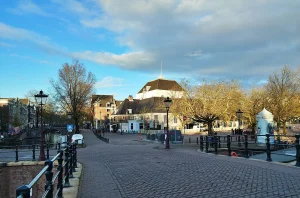
Den Bosch asylum protest brings A59 traffic to standstill
The Den Bosch asylum protest brought the A59 motorway to a standstill for half an hour as roughly 100 demonstrators opposed a planned centre for unaccompanied minor refugees.

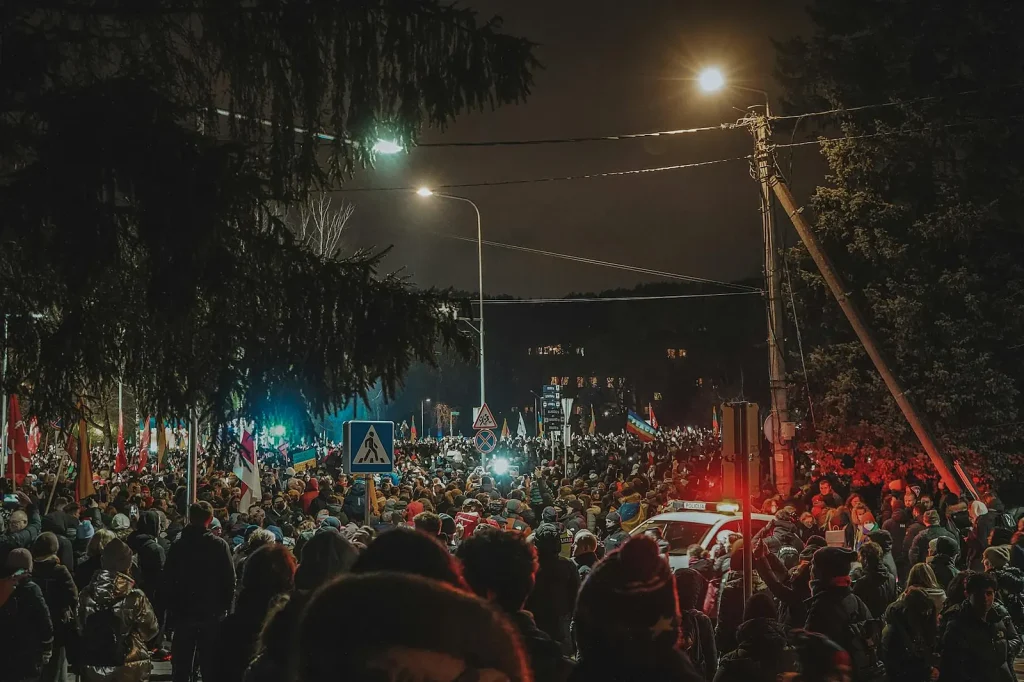
Around 100 demonstrators blocked a major motorway for thirty minutes over plans to house unaccompanied minors in the city.
The Den Bosch asylum protest brought the A59 motorway to a complete standstill on Tuesday evening, as approximately 100 demonstrators carrying banners and torches blocked one of the region’s busiest roads for around thirty minutes. The demonstration was directed against municipal plans to open a reception facility for unaccompanied asylum-seeking minors between the ages of 15 and 18.
Den Bosch Asylum Protest Disrupts Rush-Hour Traffic
Protesters occupied a stretch of the A59 during the early evening, causing significant tailbacks before police were able to clear the carriageway. Witnesses described a tense atmosphere, with demonstrators using torches to illuminate their banners in the dark. No serious injuries were reported during Tuesday’s action, and traffic eventually resumed without further incident.
The planned facility is intended to provide shelter for young people who have arrived in the Netherlands without a parent or guardian. The centre would be operated in collaboration with the COA, the Central Agency for the Reception of Asylum Seekers, which manages refugee housing across the country. Local authorities have stressed that housing vulnerable young people is both a legal obligation and a humanitarian necessity.
Escalating Tensions Follow Last Month’s Unrest
Tuesday’s Den Bosch asylum protest was not an isolated incident. A similar demonstration took place last month and descended into disorder, with participants throwing stones and setting off fireworks. The repeat action suggests that opposition within parts of the community has hardened rather than softened in the weeks since the plans were first announced.
Local integration debates are playing out against a broader national backdrop. The Netherlands has faced sustained pressure on its asylum reception system, with waiting lists for placement stretching across the country. Municipalities are under increasing pressure from the central government to identify suitable locations, a process that frequently generates local friction. More context on Dutch asylum policy can be found via Parlement.com’s overview of asylum legislation.
Despite the protests, the municipality of Den Bosch has confirmed it intends to proceed with the project. Officials have scheduled an online public consultation meeting for next Monday, during which residents will have the opportunity to ask questions and submit feedback on the proposed centre. Authorities have framed the session as a chance for open dialogue rather than a decision-making moment, since the core plans are already in place.
Community integration concerns remain at the heart of the Den Bosch asylum protest movement. Some local residents have expressed worries about the capacity of neighbourhood services, schools, and support networks to absorb additional residents, particularly given the young age of those who would be housed at the facility. Supporters of the centre, meanwhile, argue that unaccompanied minors represent some of the most vulnerable people in the asylum system and deserve a stable environment.
Whether the upcoming consultation session will ease tensions or sharpen them remains to be seen. What is clear is that the Den Bosch asylum protest has drawn significant attention to a debate that is unfolding in communities across the Netherlands, as local and national governments work to reconcile humanitarian commitments with neighbourhood concerns.