Drones detect heat stress: NVWA warns Dutch farmers
Drones will monitor livestock for heat stress in the Netherlands, with fines for farmers not providing adequate shelter and water.
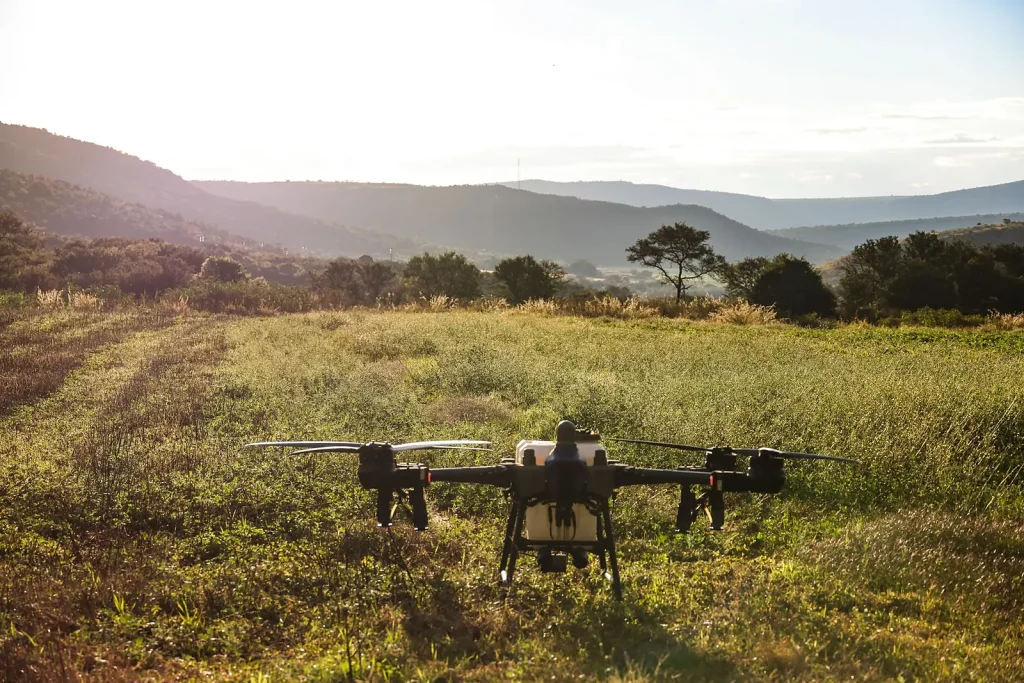
Drones to monitor livestock for heat stress, with fines for non-compliance in the Netherlands.
The Nederlandse Voedsel- en Warenautoriteit (NVWA) is set to deploy drones this summer to monitor livestock for signs of heat stress. As temperatures rise, this innovative approach aims to ensure animal welfare across the Netherlands. The NVWA has warned farmers that they must provide adequate shelter and water for their animals, or face fines.
With the increasing frequency of hot weather, the need for effective monitoring has become more pressing. Drones will be used to scan pastures and barns, identifying areas where animals such as cows, pigs, and sheep may be at risk. This technology will allow for quick identification of non-compliance, helping to prevent heat-related illnesses.
Drones and Animal Welfare
The use of drones represents a significant step forward in animal welfare efforts. The NVWA’s initiative will enhance the ability to detect and address heat stress in real-time. By providing a bird’s-eye view, drones can cover large areas quickly and efficiently, ensuring that animals receive the necessary protection from the sun.
Farmers are required to ensure that animals have access to shade and water. The drones will help in identifying those who fail to meet these requirements. By capturing images and data, the technology will support NVWA inspectors in enforcing regulations and imposing fines where necessary.
Impact on Dutch Farmers
This initiative highlights the need for farmers to adapt to changing climate conditions. The NVWA’s warning serves as a reminder of the legal obligations to ensure animal welfare. Farmers must be vigilant and proactive in providing the necessary care to avoid penalties.
The fines for non-compliance are intended to encourage better practices. By using drones, the NVWA aims to make monitoring more effective and transparent. The technology will also provide valuable data for future policy-making and improvements in animal care standards.
In addition to the immediate benefits, the use of drones may influence the overall approach to farming in the Netherlands. By integrating technology, farmers can enhance their operations and contribute to a more sustainable agricultural sector.
This initiative by the NVWA reflects a broader trend of utilizing technology to address environmental and welfare challenges. As the climate continues to change, such innovations will become increasingly important in safeguarding both animal and human health.
What Happens Next?
As the summer progresses, the NVWA will continue to monitor the effectiveness of the drones. The data collected will help refine the approach and ensure that it meets the needs of both animals and farmers.
Farmers are encouraged to collaborate with the NVWA and provide feedback on the system. By working together, the agricultural community can improve practices and ensure compliance with regulations.
The introduction of drones is just one part of a broader effort to enhance animal welfare in the Netherlands. With continued innovation and cooperation, the country can lead the way in creating a more sustainable and humane agricultural sector.
For more information on animal welfare regulations, visit the rijksoverheid website. Details on drone technology in agriculture can be found on NVWA’s official page.