Dutch Agriculture Sees 10-30% Yield Drop Amid Drought
Dutch agriculture is hit by a significant yield drop due to drought, affecting key crops. Rising commodity prices help mitigate financial losses.

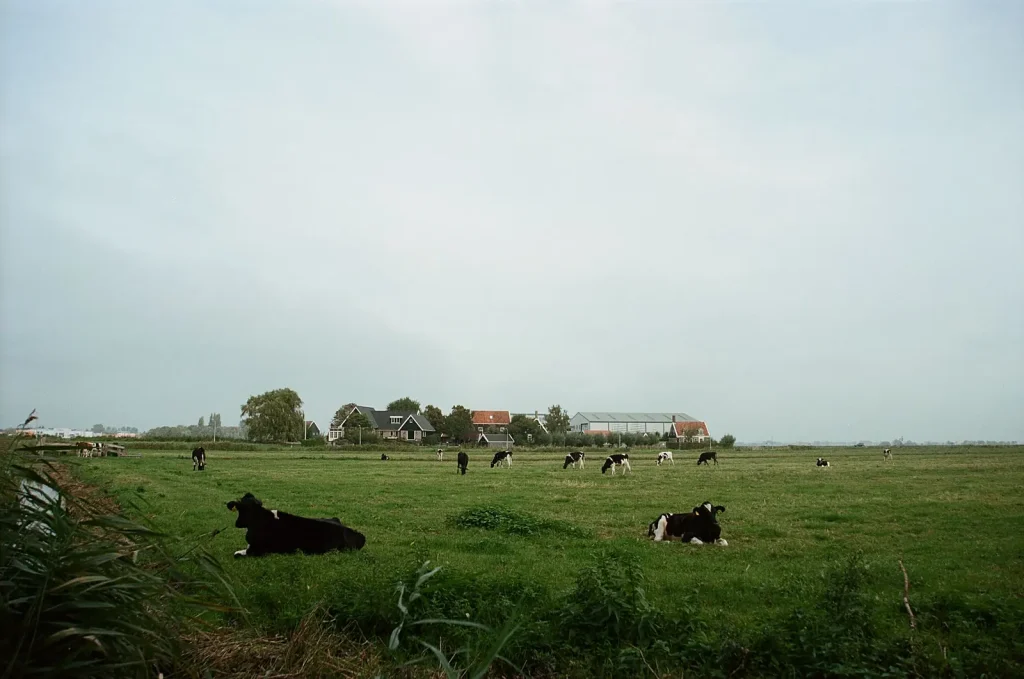
Dutch farmers see reduced harvests from drought, but rising commodity prices offer some relief.
Dutch farmers are currently experiencing a significant decline in harvest yields due to prolonged drought conditions affecting the country. According to André Hoogendijk, director of BO Akkerbouw, the umbrella organization for arable farming in the Netherlands, production is down significantly. This drop is primarily impacting crops such as potatoes, sugar beets, onions, wheat, and barley.
Impact of Drought on Harvests
The drought has created uneven outcomes for farmers depending on their access to irrigation. Those with irrigation permissions have managed to sustain better yields compared to others. However, the overall decrease in production is substantial. Hoogendijk noted that “the conditions have driven up market prices across Northwest Europe,” which has helped farmers financially despite the reduced harvest.
The rise in commodity prices acts as a buffer against potential losses. While farmers are producing less, the higher prices of agricultural products have mitigated financial damage. This situation highlights the complex dynamics between environmental challenges and market forces in agriculture.
What this means for people living in the Netherlands
The drought’s impact on agriculture is not limited to farmers alone; it extends to consumers and the broader economy. As production decreases, the cost of food items is likely to rise. Consumers may notice higher prices for everyday staples such as potatoes and onions. This situation shows the importance of irrigation systems and water management in mitigating the effects of climate change.
For those affected, the Dutch government provides resources and information on drought management and irrigation strategies. Farmers can find guidelines and support through the rijksoverheid website. Consumers looking to understand more about how these changes might affect their grocery bills can check updates from the CBS, the national statistics bureau.
Adaptation and Future Outlook
As climate change continues to impact weather patterns, Dutch farmers are increasingly considering long-term adaptations. Investment in irrigation infrastructure and drought-resistant crops are among the strategies being explored. The Dutch government and agricultural organizations are working together to support these initiatives, aiming to ensure the resilience of the agricultural sector.
Hoogendijk emphasized the need for ongoing adaptation: “We must continue to innovate and adapt to changing conditions to sustain our agricultural output.” This proactive approach is crucial for maintaining the Netherlands’ position as a leading agricultural producer in Europe.
Background
The Netherlands is known for its efficient and productive agricultural sector, which is central to the national economy. However, the country is not immune to the impacts of climate change, with droughts becoming more frequent and severe. This year’s conditions have served as a stark reminder of the challenges that lie ahead.
Efforts to address these challenges include research into new farming techniques and technologies designed to improve water efficiency. The agricultural sector is also engaging with policymakers to develop strategies that balance economic needs with environmental sustainability.
What happens next
Moving forward, Dutch farmers and policymakers will continue to assess the situation and implement measures to mitigate the effects of future droughts. Collaboration between the government, agricultural organizations, and farmers is essential to develop strong solutions.
As the situation evolves, ongoing updates and resources will be available through official channels such as BO Akkerbouw and the rijksoverheid. Stakeholders remain committed to ensuring that Dutch agriculture can withstand the pressures of climate change while continuing to provide for both domestic and international markets.