Netherlands Gas Storage Shortfall Threatens Winter Energy Security
The Netherlands will not meet its gas storage target for winter 2026, raising concerns over energy security.

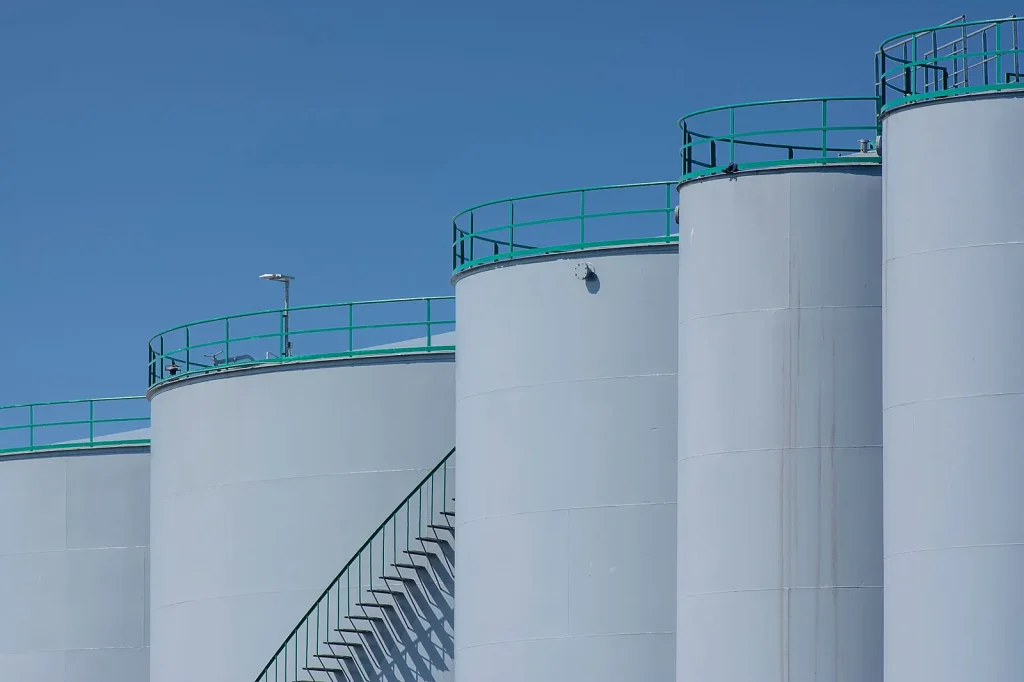
The Netherlands faces potential energy shortages as gas storage levels fall short ahead of winter.
The Netherlands is facing a critical challenge with its gas storage as winter 2026 approaches. Current reports indicate that the country will not meet its storage targets, raising significant concerns about energy security for the colder months ahead. Both households and industries could be affected if temperatures drop significantly.
Gas storage levels are currently below the required capacity, which increases the risk of energy shortages. This situation is worrying for many, as the availability of gas is crucial for heating homes and powering industries during winter. The government had set ambitious targets to ensure that the country would be adequately prepared, but these have not been met.
Why Gas Storage Matters
Gas storage is a vital component of the Netherlands’ energy strategy. It ensures a stable supply during peak demand periods, such as the winter months. Without sufficient reserves, the country risks facing shortages that could disrupt daily life and economic activities. The reliance on gas for both residential heating and industrial processes makes this issue particularly pressing.
Energy experts are urging the government to take immediate action to address the shortfall. They warn that without effective strategies, the Netherlands could face significant challenges in maintaining energy security. “The situation requires urgent attention to prevent potential shortages that could impact both households and businesses,” said a representative from an energy advisory group.
Government Response and Future Plans
The Dutch government is aware of the situation and is exploring interim solutions to mitigate the risks. These include increasing imports from neighboring countries and encouraging energy conservation measures among consumers. However, these are seen as temporary fixes rather than long-term solutions.
To address the root of the problem, the government is considering investing in alternative energy sources and improving infrastructure to enhance storage capacity. This approach aims to reduce dependency on gas and promote sustainable energy practices. Additionally, there are discussions about implementing policies that incentivize businesses and households to reduce energy consumption during peak periods.
The failure to meet the gas storage target highlights the need for an effective and comprehensive energy management strategy. It shows the importance of planning and foresight in ensuring that the country is prepared for future energy demands.
What Happens Next?
In the coming months, the government is expected to outline a detailed plan to address the storage shortfall. This will likely involve collaboration with international partners and investments in technology to improve storage efficiency. Meanwhile, public awareness campaigns may be launched to encourage energy-saving practices among citizens.
As the situation develops, the focus will be on ensuring that the Netherlands can maintain a stable energy supply throughout the winter. The lessons learned from this experience could also inform future energy policies and help the country build a more resilient energy system.
For now, the emphasis remains on immediate actions to secure energy supplies and prevent disruptions. The coming winter will be a test of the country’s preparedness and its ability to adapt to changing energy needs.
For more information on the Netherlands’ energy policies, visit the Rijksoverheid website. For updates on current gas storage levels, check the CBS statistics.