Dutch Drought Triggers ‘False Autumn’, Threatens Ecosystems
The prolonged drought in the Netherlands causes a 'false autumn', affecting vegetation and raising concerns over biodiversity and agriculture.

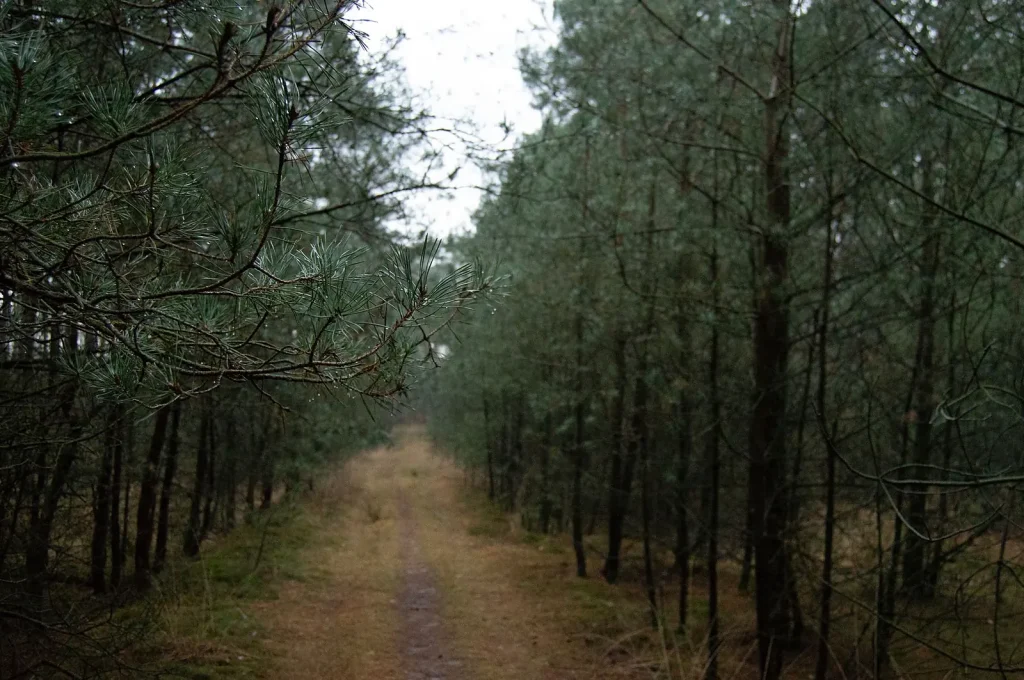
Prolonged drought leads to ‘false autumn’, affecting biodiversity and agriculture.
The Netherlands is experiencing a phenomenon known as ‘false autumn’ due to ongoing drought conditions. This unusual event is characterized by early leaf fall as trees struggle with a lack of water. Scientists and environmentalists are expressing concern over the long-term impacts on Dutch ecosystems.
False Autumn Phenomenon
The drought has led to trees losing their leaves prematurely, a sign of stress caused by extreme dryness. This ‘false autumn’ is becoming increasingly common, highlighting the significant impact of climate change on the environment. According to Niko Wanders, a hydrologist, ‘The upper soil layers have become moist again, but the rain deficit remains significant.’ His observations underline the challenges faced by Dutch vegetation.
Hydrologists and biologists are worried about the broader implications. Early leaf fall can disrupt the natural cycles of ecosystems, affecting biodiversity and agricultural productivity. The lack of water not only impacts plant life but also poses risks to wildlife that depend on these ecosystems for survival.
Impact on Biodiversity and Agriculture
The premature leaf fall affects the delicate balance of Dutch ecosystems. Plants, unable to complete their growth cycles, might produce fewer seeds, leading to a decline in plant diversity. This can have a cascading effect on insects, birds, and other wildlife that rely on these plants for food and habitat.
Agriculture in the Netherlands is also at risk. Farmers depend on predictable weather patterns for successful crop production. With the ongoing drought, crops may fail to mature, leading to lower yields and potential economic losses. This situation shows the need for adaptive strategies to mitigate the impacts of climate change on agriculture.
The Dutch government and environmental agencies are monitoring the situation closely. Efforts are underway to develop water management strategies that can help alleviate the effects of drought. These include improving irrigation systems and exploring sustainable farming practices.
Background
The Netherlands has a history of managing water levels due to its low-lying geography. However, the increasing frequency of droughts poses a new challenge. Climate change has intensified weather patterns, leading to more severe and prolonged dry spells. As a result, traditional water management techniques may no longer suffice.
Scientists are advocating for increased research into drought-resistant plant species and innovative agricultural methods. These efforts aim to build resilience against future climate-related challenges.
What Happens Next
The Dutch government is expected to introduce measures to address the impacts of the drought. These may include investing in infrastructure to capture and store rainwater more effectively. Additionally, public awareness campaigns could help communities understand the importance of water conservation.
As the Netherlands handle these challenges, collaboration between scientists, policymakers, and farmers will be crucial. By working together, they can develop strategies that protect the environment while supporting agricultural productivity.
The ‘false autumn’ serves as a stark reminder of the urgent need to address climate change. The impact on Dutch vegetation is a clear indication that proactive measures are essential to safeguard the country’s natural resources and biodiversity.
For more information on climate change impacts, visit the Dutch government website and the Royal Netherlands Meteorological Institute.