Dutch Eurovision boycott fails as fans celebrate at home
The Dutch Eurovision boycott hasn't dampened the enthusiasm of fans who continue to celebrate the contest from home.

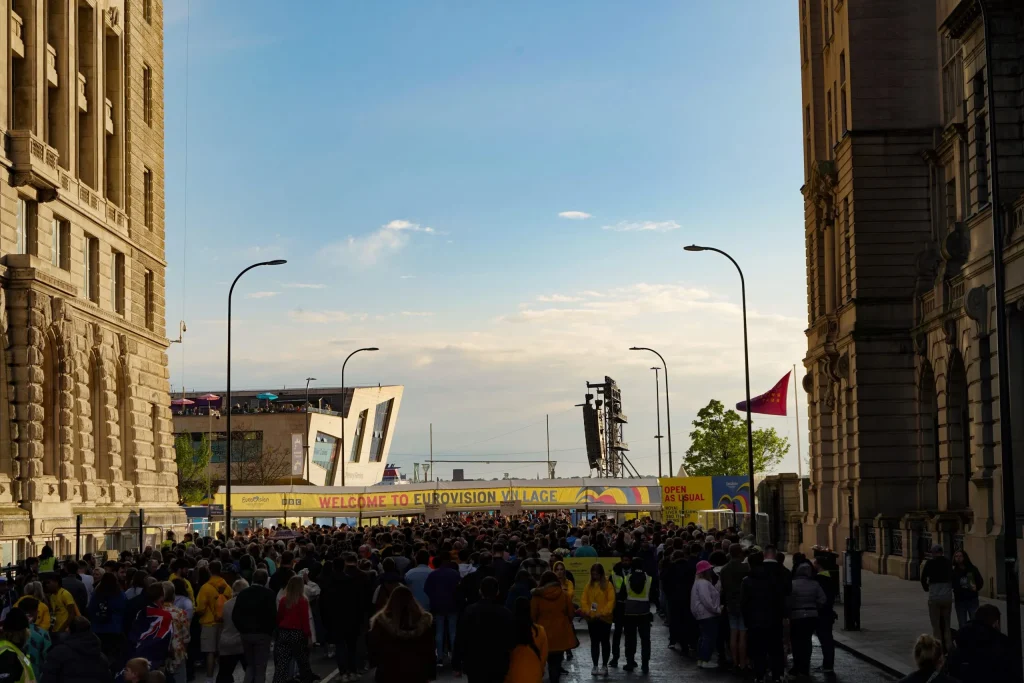
Despite the Netherlands’ official Eurovision boycott, Dutch fans continue to celebrate the contest from home.
The Dutch Eurovision boycott has not stopped fans in the Netherlands from celebrating the beloved song contest. Despite the government’s decision to officially boycott this year’s Eurovision Song Contest due to political reasons, the spirit of Dutch fans remains unbroken. Across the country, people are hosting watch parties and supporting their favorite acts online, illustrating the contest’s enduring appeal.
Why the Boycott?
The decision to boycott the Eurovision Song Contest was made by the Dutch government over political considerations. Although the specifics of these political reasons were not publicly detailed, they have sparked discussions among fans and policymakers alike. However, the decision has not dampened the enthusiasm of Eurovision lovers across the Netherlands.
Many Dutch viewers have expressed disappointment over the boycott. They argue that the contest is a celebration of music and unity that transcends political boundaries. For them, Eurovision represents an opportunity to come together in a shared love of music and performance.
Fans Celebrate at Home
Despite the absence of an official Dutch entry, fans across the Netherlands are still engaging with the contest. Social media platforms are buzzing with discussions and support for various international acts. In living rooms across the country, Eurovision watch parties are in full swing.
These gatherings highlight the cultural significance of Eurovision in the Netherlands. Fans share snacks, decorate their spaces with flags, and even dress up in costumes inspired by their favorite performances. The atmosphere is one of celebration and camaraderie, showing that the contest’s charm remains strong.
Online engagement is also high, with fans participating in online voting and discussions. Many express their opinions about the performances and speculate on potential winners. This digital interaction demonstrates the contest’s ability to connect people, even when they are physically apart.
In fact, the enthusiasm among Dutch viewers is a testament to the contest’s unique ability to unite people through music. Eurovision has long been a staple of European culture, and its influence is clearly evident in the Netherlands.
Learn more about the Eurovision Song Contest and its impact on culture.
Continued Support and Future Prospects
Looking ahead, it remains to be seen whether the Netherlands will participate in future contests. The current boycott has certainly sparked a conversation about the contest’s place in Dutch culture and politics.
Many fans hope that the Netherlands will return to the contest in the coming years. They argue that Eurovision is an important cultural event that provides a platform for showcasing talent and celebrating diversity. The contest’s ability to bring people together in a shared celebration of music is something they believe should not be overlooked.
For now, Dutch fans continue to celebrate Eurovision in their own way, demonstrating the contest’s lasting impact. Despite the boycott, the spirit of Eurovision is alive and well in the Netherlands.
For more information on the cultural significance of Eurovision, visit Eurovision Song Contest on Wikipedia.