Dutch freelance growth soars despite tax office controls
Dutch freelance growth persists in 2026 despite tax office controls, highlighting issues of fair taxation and false self-employment.

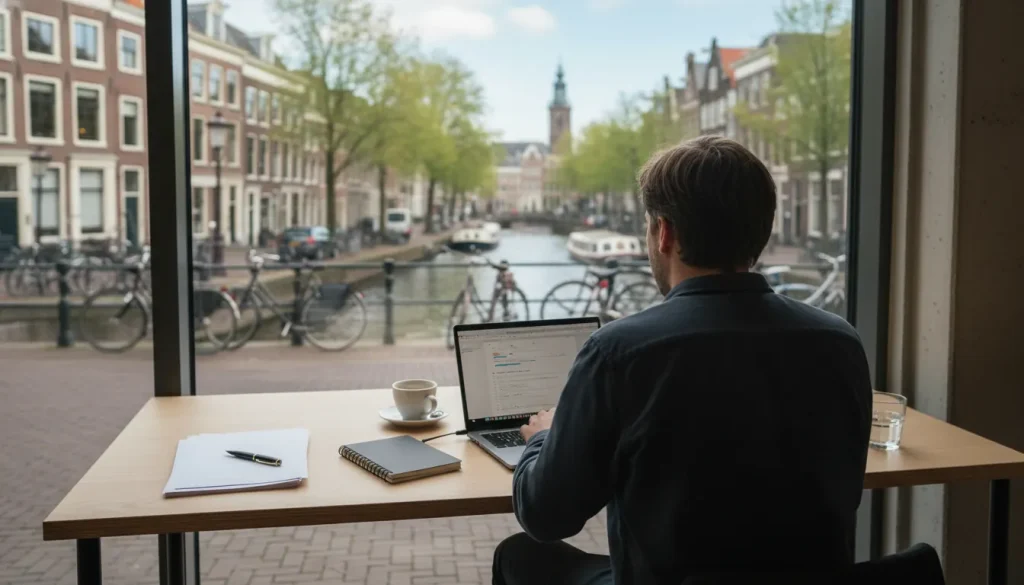
Despite increased regulations by the tax office, freelancers continue to thrive, raising concerns about fair taxation and false self-employment.
In 2026, the growth of freelancers in the Netherlands has continued unabated, despite efforts by the Dutch tax office to regulate the sector. The measures, aimed at ensuring fair tax contributions and addressing false self-employment, have not curbed the increasing number of individuals opting for freelance work.
The Dutch tax office, known as Belastingdienst, has implemented several regulations with the intention of tightening controls over tax contributions from freelancers. However, these measures have not stalled the sector’s expansion. The flexibility and autonomy that freelance work offers remain highly attractive to many, leading to sustained growth in this segment of the labor market.
Challenges of Tax Compliance
One of the key concerns surrounding the rise in freelance work is the issue of fair taxation. As more individuals choose to work independently, ensuring that they contribute equitably to the tax system becomes increasingly complex. The Belastingdienst has expressed concerns about potential tax evasion and the challenges of monitoring the self-employed effectively. A representative of the tax authority stated, “Our increased efforts will ensure compliance and equitable competition in the labor market.”
Despite these efforts, the persistence of freelance growth indicates that many are willing to handle the complexities of tax compliance to maintain their independence. The challenge for the tax office is to strike a balance between supporting this growing workforce and ensuring that all contributors pay their fair share.
Regulations Target False Self-Employment
False self-employment is another significant issue being addressed by Dutch regulators. This practice involves individuals being classified as freelancers while effectively working as permanent employees, often to reduce tax liabilities for companies. The Dutch government is keen to tackle this issue by implementing stricter regulations and clearer definitions of employment status.
The regulations aim to protect genuine freelancers while preventing companies from exploiting loopholes to avoid paying employment taxes. This initiative is part of a broader effort to ensure a level playing field in the labor market and protect workers’ rights.
However, the effectiveness of these measures in curbing false self-employment. As the gig economy continues to evolve, so too must the regulations that govern it. The challenge lies in creating rules that are both fair and adaptable to the changing nature of work.
The growth of freelancers in the Netherlands reflects a broader trend seen in many countries, where traditional employment models are being reshaped by technological advances and changing worker preferences. The Dutch government’s response to this trend will be crucial in shaping the future of work in the country.
What Happens Next?
Looking ahead, the Dutch government will need to continue monitoring the freelance sector closely. Future policies may need to address the balance between encouraging entrepreneurial spirit and ensuring fair competition in the labor market. As freelancers become a more significant part of the economy, their role and contribution to the Dutch tax system will remain a focal point for policymakers.
the issue of false self-employment will likely require ongoing attention. The challenge is to design regulations that are both effective and flexible enough to accommodate the diverse nature of freelance work. The government’s ability to adapt to these challenges will determine the sustainability of freelance growth in the Netherlands.
Meanwhile, freelancers themselves will need to stay informed about their tax obligations and the evolving regulatory landscape. As the sector continues to grow, the importance of compliance and fair contribution cannot be overstated. The future of freelance work in the Netherlands hinges on the successful navigation of these complex issues.
Ultimately, the continued growth of freelancers in the Netherlands highlights the need for a nuanced approach to regulation. Balancing the benefits of freelance work with the demands of tax fairness and employment rights will be key to fostering a thriving and equitable labor market.