Dutch Government Agencies Face Nearly €100 Million in Fines
Dutch government agencies, including the IND, face fines for procedural delays, prompting legislative changes.


Dutch agencies face mounting fines for delays, prompting legislative changes.
Several Dutch government agencies are grappling with significant financial penalties due to procedural delays. Among them, the Immigration and Naturalisation Service (IND) has been notably impacted by fines due to prolonged processing times. These penalties are mandated by law when waiting periods exceed acceptable limits, highlighting systemic inefficiencies within these agencies.
Legislative Changes Underway
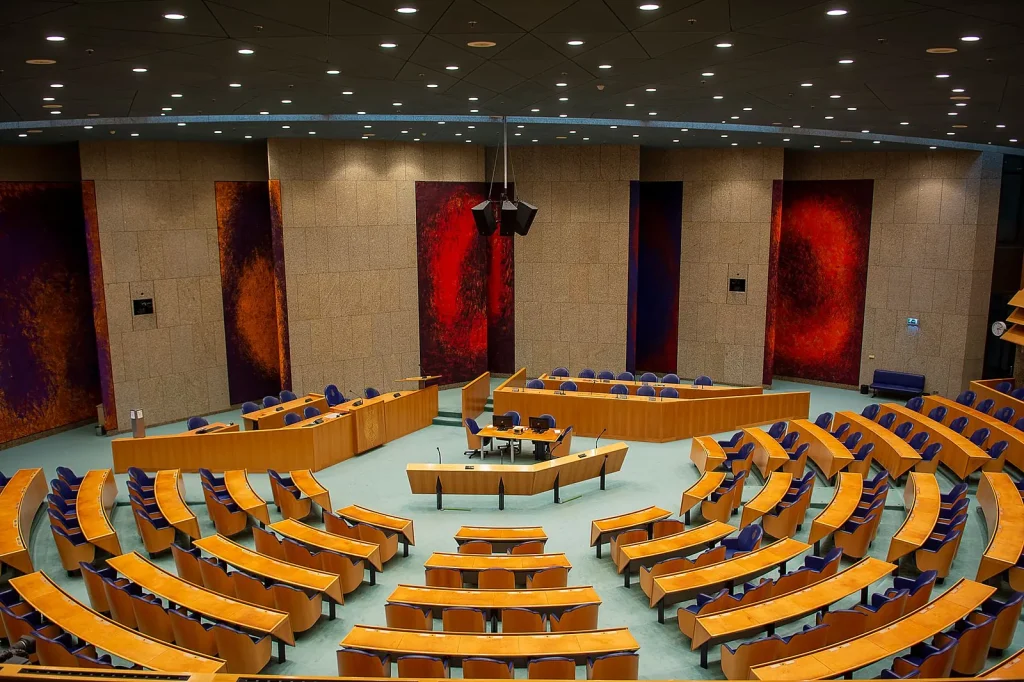
In response to the mounting fines, the Tweede Kamer, the Dutch House of Representatives, passed a legislative amendment this summer. This amendment could potentially remove the right of asylum seekers to receive financial compensation for delays. The legislative change aims to alleviate the financial burden on agencies like the IND and the Belastingdienst, the Dutch Tax and Customs Administration, which are struggling to meet procedural deadlines.
The amendment will soon be reviewed by the Eerste Kamer, the Dutch Senate. If approved, it could alter the landscape of administrative accountability, raising questions about fairness and the ability of these agencies to fulfill their legal obligations.
What this means for people living in the Netherlands
For residents of the Netherlands, particularly asylum seekers, these changes could have significant implications. Currently, individuals affected by delays can claim compensation, but the proposed changes may eliminate this right. This could affect thousands who rely on these compensations due to processing delays.
To stay informed about these developments, residents can follow updates on official websites such as rijksoverheid.nl and ind.nl. Understanding the potential impact of these legislative changes is crucial for those navigating the Dutch immigration system.
Background
The issue of penalty fines for procedural delays is not new. Dutch agencies have faced challenges in processing applications within stipulated timeframes. The IND, in particular, has been under scrutiny for its handling of asylum applications, which often exceed the legal processing time.
These fines, while intended to ensure accountability, have become a financial strain on agencies already dealing with resource constraints. The legislative amendment aims to address these concerns by removing the financial penalties, thus allowing agencies to focus on improving efficiency without the looming threat of fines.
What happens next?
The legislative amendment is set to be reviewed by the Eerste Kamer. If passed, it will come into effect, changing the way fines are applied. This move could potentially lead to more focused efforts on improving procedural efficiency within government agencies.
For now, the debate continues about how best to balance legal obligations with operational capacity. Ensuring that agencies can meet their responsibilities without incurring unsustainable financial penalties remains a priority for the Dutch government.
As these discussions progress, stakeholders and affected individuals are encouraged to stay informed and engaged with the process. The outcome of this legislative review could set a precedent for how procedural delays are managed in the future.