Dutch Marines Boost NATO Security with Greenland Deployment
Dutch marines will participate in a NATO exercise in Greenland, highlighting the Netherlands' commitment to international security amid rising Russian and Chinese activities.

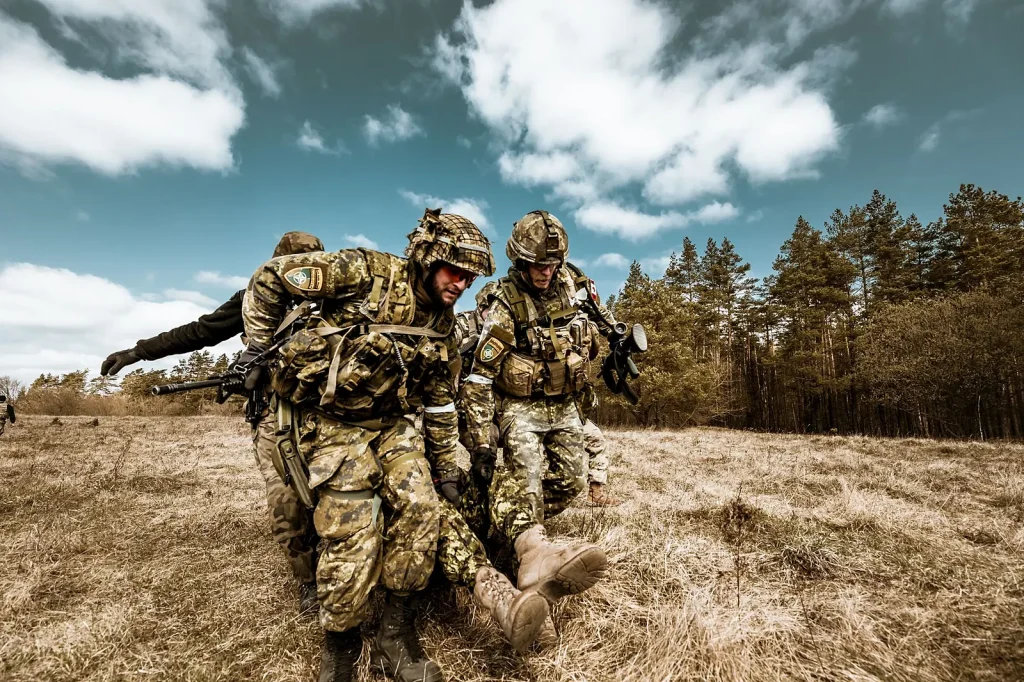
Dozens of Dutch marines join a NATO exercise in Greenland amid rising Russian and Chinese activities.
The Netherlands is set to participate in a strategic NATO military exercise in Greenland, deploying dozens of marines to the Arctic region. This move, confirmed by Defensieminister Dilan Yesilgöz, aims to strengthen security in response to increased Russian and Chinese activities.
Reasons Behind the Deployment
The decision to send Dutch marines to Greenland shows the Netherlands’ dedication to its NATO commitments. As tensions rise in the Arctic, the presence of Russian and Chinese forces has become a significant concern for the alliance. The Netherlands’ participation is seen as a proactive step in ensuring regional stability and readiness.
Defensieminister Yesilgöz emphasized the importance of this exercise during a televised statement, noting that it reflects the Netherlands’ role in collective security efforts. Although specific troop numbers remain classified for security reasons, the deployment represents a substantial contribution to the NATO mission.
NATO’s Strategic Focus
This exercise is part of a broader NATO strategy to address emerging security challenges in the Arctic. The region has become a focal point due to its strategic location and the potential for geopolitical tensions. The Netherlands, alongside other NATO members, aims to demonstrate its capability and commitment to safeguarding the area.
The Arctic’s significance has grown due to climate change, which has opened new maritime routes and access to resources. This has attracted international interest, particularly from Russia and China, prompting NATO to enhance its presence and readiness in the region.
By participating in this exercise, the Netherlands joins a concerted effort to deter aggressive actions and ensure peace. This deployment not only highlights the country’s military capabilities but also reinforces its diplomatic ties within the alliance.
Background
The Arctic has long been a region of interest due to its untapped resources and strategic importance. Recent years have seen increased military activities by Russia and China, raising concerns among Western nations. NATO’s response includes exercises like the one in Greenland, designed to enhance coordination and readiness among member states.
The Netherlands has consistently supported NATO’s initiatives, recognizing the importance of collective defense. This exercise is an extension of that support, aligning with the country’s broader defense strategy.
What Happens Next
As the exercise unfolds, the Netherlands will continue to monitor developments in the Arctic. The outcome of the exercise will inform future NATO strategies and the Netherlands’ role within the alliance.
Defensieminister Yesilgöz has assured that the Dutch military remains committed to international security efforts. The participation in Greenland is a testament to that commitment, reflecting the Netherlands’ proactive stance in addressing global security challenges.
Looking ahead, the Netherlands is likely to engage in further collaborative efforts with NATO allies, strengthening its position as a key player in international defense.
For more information on NATO’s activities, visit the NATO official website. For updates on Dutch defense policies, see the Dutch Ministry of Defence.