Dutch Rice Cultivation Cuts CO2 Emissions by 30%
Dutch rice cultivation could reduce CO2 emissions by 30% and combat soil subsidence, offering sustainable agricultural solutions.

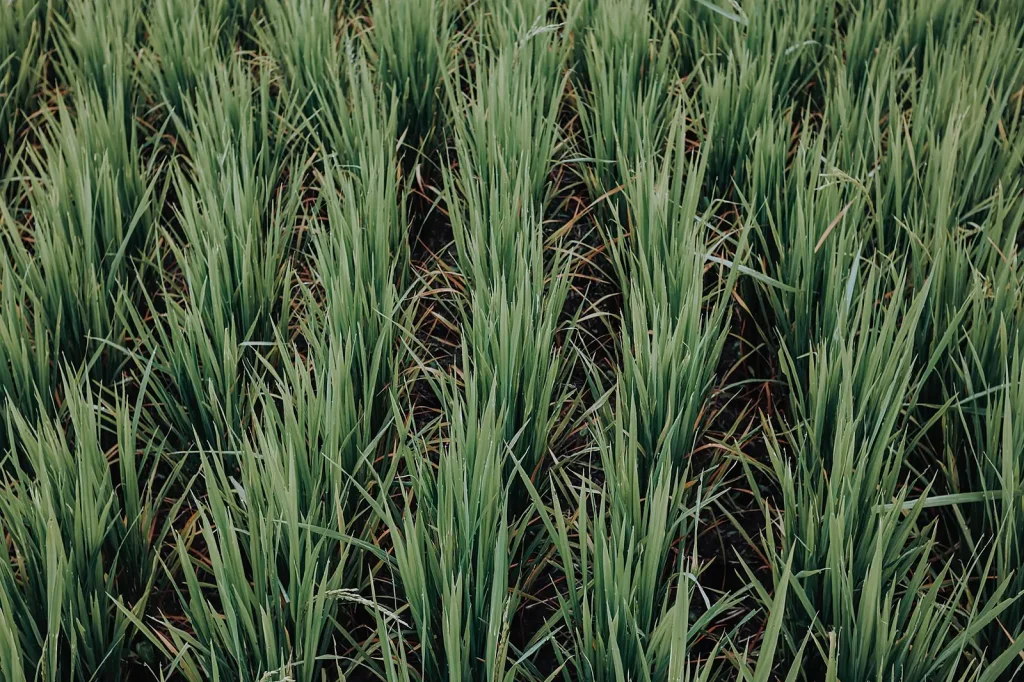
The Netherlands experiments with rice fields to tackle soil subsidence and cut carbon emissions by 30%.
Dutch rice cultivation is gaining attention as a potential solution to environmental challenges. Scientists in the Netherlands are experimenting with rice fields to address issues like soil subsidence and carbon emissions. The initiative involves setting up experimental fields in low-lying areas, aiming to establish the country as a leader in sustainable agriculture.
Innovative Agricultural Practices
In the Netherlands, soil subsidence is a pressing concern. The phenomenon, primarily caused by the drainage of peatlands, leads to sinking ground levels. This can result in increased flooding risks and infrastructure damage. Rice cultivation, however, presents a promising solution. Rice paddies require flooded fields, which can help maintain soil moisture and prevent subsidence.
rice fields have the potential to reduce carbon dioxide emissions significantly. According to research, rice paddies can cut CO2 emissions by up to 30%. This reduction occurs because the waterlogged conditions of rice fields limit the decomposition of organic matter, thereby decreasing the release of carbon dioxide into the atmosphere.
Setting Up Experimental Fields
To explore these benefits, experimental rice fields are being established in various low-lying areas across the Netherlands. These fields are part of a broader effort to test the viability of rice cultivation in a country known more for its tulips and windmills than for rice. The experimental phase will assess not only the environmental benefits but also the economic feasibility of large-scale rice farming.
The project has garnered interest from environmentalists and agricultural experts alike. By integrating rice cultivation into existing agricultural practices, the Netherlands aims to demonstrate a scalable model for sustainable farming. If successful, this initiative could inspire similar efforts in other regions facing soil subsidence and high carbon emissions.
Environmental and Economic Impact
Beyond environmental benefits, rice cultivation could also offer economic advantages. The global demand for rice is substantial, and entering this market could diversify the Netherlands’ agricultural portfolio. However, challenges remain, including adapting rice varieties to the Dutch climate and ensuring that water use is sustainable.
Despite these challenges, the potential rewards are significant. By reducing soil subsidence and cutting carbon emissions, the Netherlands could set a precedent for innovative environmental practices. This approach aligns with the country’s broader goals of sustainability and climate resilience.
Background and Future Prospects
Historically, the Netherlands has been at the forefront of agricultural innovation. From pioneering greenhouse technologies to developing efficient water management systems, the country has long sought to balance agricultural productivity with environmental stewardship. Rice cultivation is the latest in a series of initiatives aimed at addressing modern environmental challenges.
As the experimental phase progresses, researchers will continue to monitor the fields closely. The results will inform decisions about scaling up rice cultivation and integrating it into national agricultural strategies. If rice cultivation proves viable, it could become a core component of the Netherlands’ approach to sustainable agriculture.
What Happens Next?
The success of these experimental fields could have far-reaching implications. By reducing soil subsidence and carbon emissions, rice cultivation might offer a blueprint for other countries facing similar challenges. The Netherlands’ commitment to innovation and sustainability could inspire global efforts to adopt more environmentally friendly agricultural practices.
For now, Dutch scientists and farmers are focused on the details: ensuring the rice varieties are suitable, managing water resources effectively, and assessing the economic impact. As these experiments unfold, they represent a step toward a more sustainable future for agriculture in the Netherlands and beyond.
For more information on the Netherlands’ environmental policies, visit the rijksoverheid. To learn about the impact of agriculture on CO2 emissions, see the CBS report.