Utrecht Power Grid Overload Halts Library Escalators
Utrecht's power grid overload forces libraries to prioritize air-conditioning over escalators, highlighting infrastructure strains.

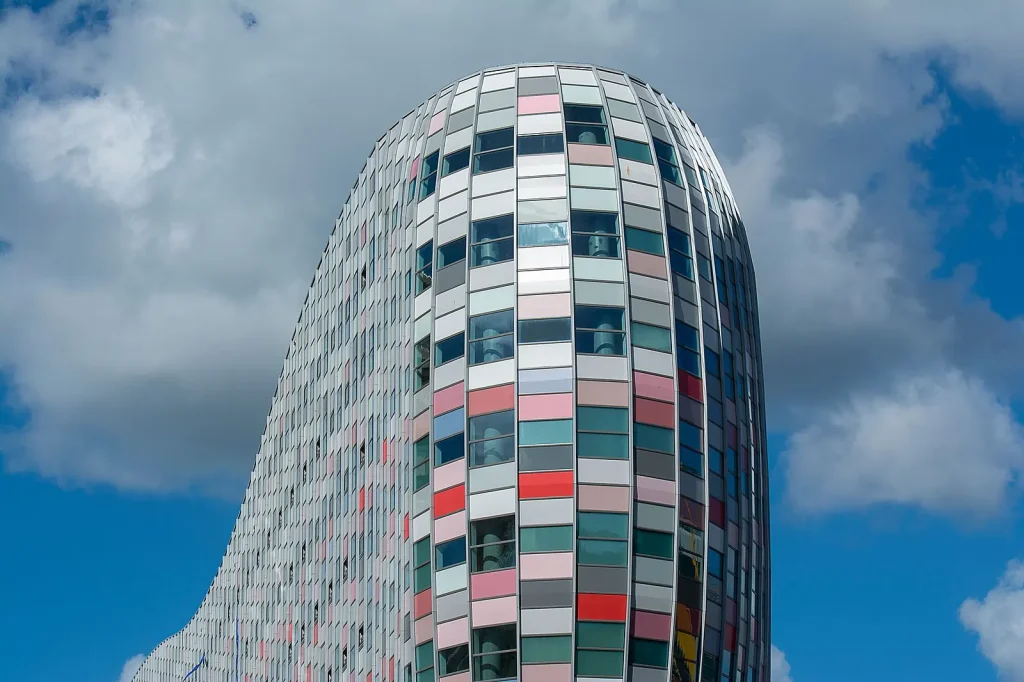
Utrecht faces power challenges, prioritizing air-conditioning in libraries over escalators due to grid overload.
Utrecht’s power grid is facing significant overload issues, forcing public facilities to make difficult choices. As temperatures rise, the city’s libraries have stopped using escalators to ensure that air-conditioning systems remain operational. This decision shows the increasing strain on the infrastructure due to growing energy demands.
Impact on Public Services
The decision to prioritize air-conditioning over escalators in Utrecht’s libraries is a direct response to the extreme summer temperatures. This unusual measure reflects the broader challenges the city faces as its power grid struggles to keep up with demand. Since July 1, new electricity connections in Utrecht have been delayed, highlighting the limitations of the existing infrastructure.
Residents and visitors alike have experienced interruptions in various public services. The prioritization of cooling systems over other electrical amenities is necessary to manage the limited power supply effectively. These adaptations are a clear indication of the need for immediate solutions to address the energy demands of a growing population.
Urgent Need for Sustainable Solutions
The situation in Utrecht is not unique. Across the Netherlands, there is a pressing need for investments in sustainable and resilient energy systems. As urban areas expand and the demand for electricity increases, existing grids are pushed to their limits. Utrecht’s current challenges serve as a warning of what could become a widespread issue if not addressed promptly.
Efforts to upgrade the energy infrastructure are critical to prevent future overloads. The development of renewable energy sources and smarter grid management strategies are essential steps towards creating a more sustainable future. This situation emphasizes the importance of planning and investment to ensure reliable power supply.
According to a spokesperson from Utrecht’s municipal government, “The current overload is a wake-up call for more strong energy planning. We must invest in sustainable solutions to meet our future needs.” This statement captures the urgency of the situation and the need for proactive measures.
Background
Utrecht’s energy challenges stem from a combination of factors. The city’s rapid population growth, along with increased usage of electronic devices and cooling systems, has significantly contributed to the strain on the power grid. The recent heatwave has only exacerbated these issues, pushing the demand for electricity to new heights.
Efforts to address these challenges have been ongoing. Local authorities are exploring various solutions, including expanding renewable energy sources and enhancing grid capacity. However, these measures require time and substantial investment, highlighting the complexity of the issue.
What Happens Next
The immediate focus for Utrecht is managing the current overload while planning for long-term solutions. Authorities are working to balance the energy supply with demand, ensuring that essential services continue to operate. Meanwhile, discussions are underway to explore innovative approaches to energy management.
As the city handle these challenges, the experience in Utrecht could serve as a model for other regions facing similar issues. By investing in sustainable infrastructure and adopting forward-thinking strategies, the Netherlands can better prepare for future energy demands.
For more information on energy infrastructure and sustainable solutions, visit the Rijksoverheid’s energy policy page and CBS for statistical insights.