Dutch slaughter rules: Erkens backs ban, cites 40-second limit
Dutch slaughter rules face renewed scrutiny after agriculture State Secretary Erkens backed compulsory prior stunning. His comments do not introduce a new ban.

The agriculture state secretary criticised the 40-second rule, but his remarks do not change the law or introduce a ban.
Dutch slaughter rules face renewed political scrutiny after agriculture State Secretary Erkens backed a ban on slaughter without prior stunning. He criticised the current 40-second limit on World Animal Day, the annual animal welfare observance. However, his remarks do not change the law.
Under existing rules, slaughterers must stun an animal if it has not died within 40 seconds after the throat cut. Erkens said that interval allowed animal suffering to continue. Still, he said he would not draft legislation himself.
Agriculture State Secretary Erkens said on WNL op Zondag, a Dutch Sunday television programme: “Dat zijn wel veertig seconden dierenleed.” In English, he described the interval as forty seconds of animal suffering.
His remarks appear in a report by NOS, the Dutch public broadcaster. Meanwhile, the Partij voor de Dieren, the Dutch animal rights party, plans another bill this month. That proposal would require stunning before slaughter.
What the 40-second rule allows
The dispute concerns when stunning takes place, rather than whether slaughter has any welfare rules. Existing Dutch rules already place conditions on slaughter without prior stunning. These include a throat cut by a certified slaughterer.
However, the current system allows the throat cut to happen before stunning. The 40-second rule then requires stunning if the animal has not died within that period. Erkens objects to that permitted interval.
By contrast, a requirement for prior stunning would move that step before the throat cut. This is the change the animal rights party wants its bill to make. It would replace the current exception with a requirement to stun first.
The distinction matters when reading claims about a possible ban. Erkens supports ending slaughter without prior stunning, rather than banning slaughter itself. For now, the existing rules remain the starting point for slaughterhouses and officials.
Religious practices are part of the dispute
Certain Islamic and Jewish religious rules require slaughter without prior stunning. A compulsory prior-stunning rule would therefore affect practices that follow those requirements. However, the report does not describe every religious view or certification standard.
Readers should not assume that all religious communities take the same position on stunning. Nor do the remarks establish how a future bill would address particular practices. Those details require the proposed legal text.
The issue has drawn political debate for almost fifteen years. That long history helps explain why a statement of support is not the same as an agreed law. The latest comments renew the dispute, but they do not settle it.
Erkens framed his objection around animal suffering during the permitted interval. Meanwhile, the planned bill would bring the question back into the legislative process. Any assessment of its effects must distinguish the stated aim from its eventual wording.
What this means for people living in the Netherlands
The immediate point is simple: these remarks create no new ban. They also set no new compliance deadline for businesses or consumers. Residents do not need to change their shopping because of the television interview.
For people who buy meat under religious dietary rules, the debate may raise questions about future supply. However, the report announces no withdrawal of products or change to shop opening arrangements. Ask your retailer about its slaughter method and religious certification if those details matter to you.
Slaughterhouse operators should continue to follow current requirements rather than treat political support as a new legal instruction. Before changing procedures, check official guidance and any formal notice relevant to your business. The report provides no new fees or eligibility conditions.
For general policy information, consult Rijksoverheid, the Dutch central government information service, on animal welfare. Meanwhile, residents following the proposal can check its progress through official parliamentary records. That provides a firmer basis than headlines alone.
What happens next
The next announced step is the animal rights party’s planned bill this month. However, a plan to introduce legislation does not guarantee that lawmakers will approve it. Erkens has separately ruled out drafting a bill himself.
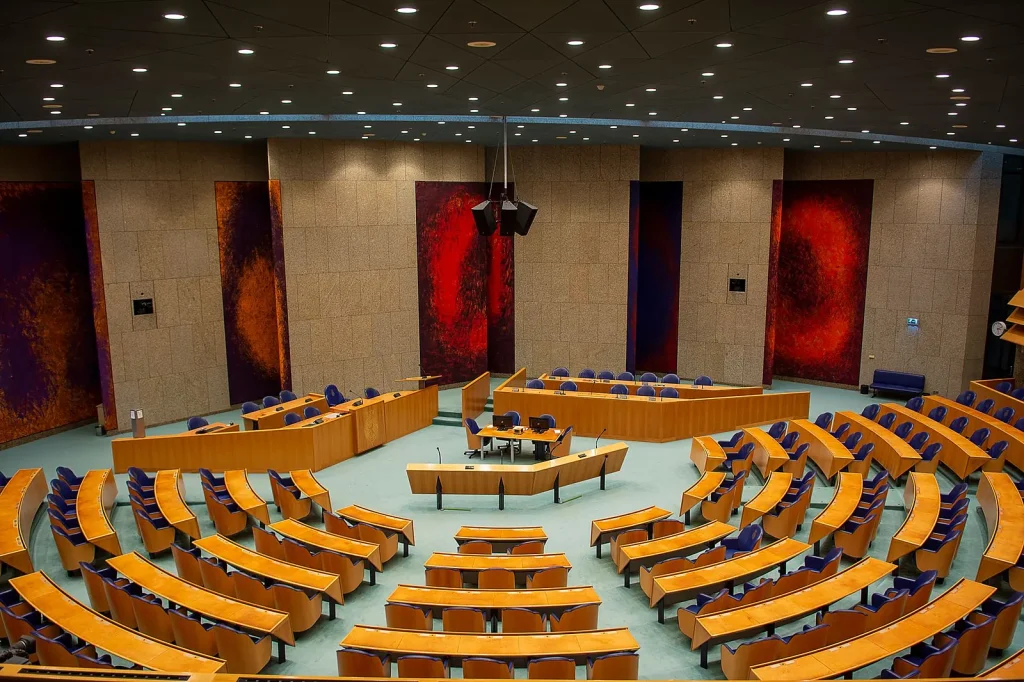
The Tweede Kamer, the lower house of the Dutch parliament, explains the process in its official guide to lawmaking. A proposal must pass through the legislative process before it can become law. Political statements alone cannot replace those steps.
For now, the central development is public support from the agriculture state secretary. The planned party bill is a separate step. Until lawmakers agree to a change, the 40-second rule remains in place.