Dutch Strategic Oil Reserves Release 2.7 Million Barrels
The Netherlands releases 2.7 million barrels from its strategic oil reserves to help curb rising prices amid global tensions.

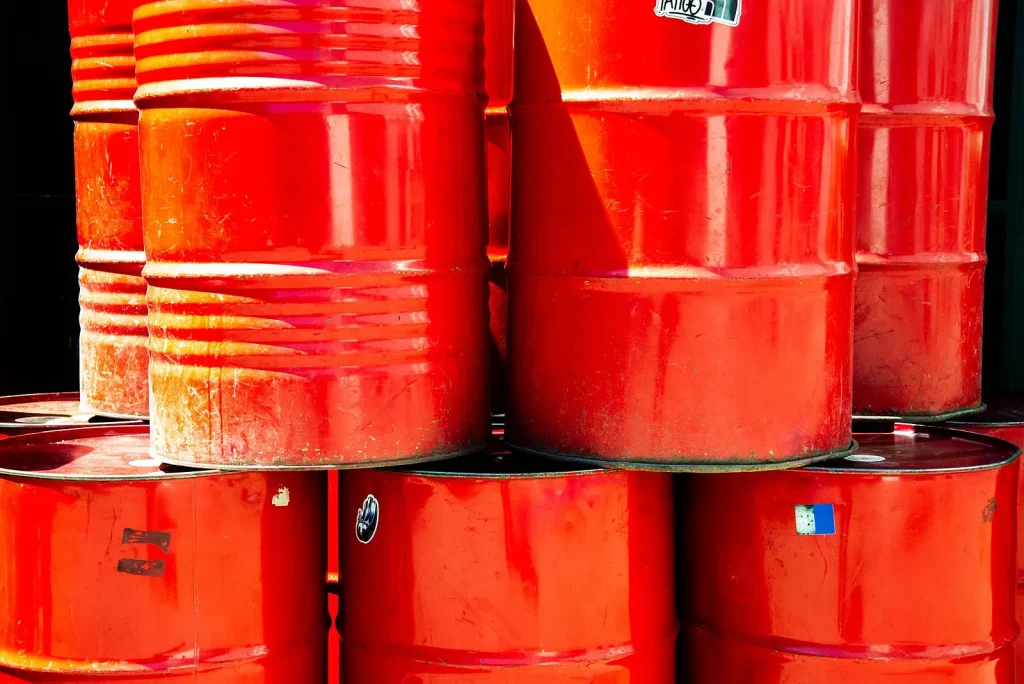
Netherlands aims to stabilize oil prices amid geopolitical tensions by releasing reserves.
The Netherlands has announced the release of 2.7 million barrels from its strategic oil reserves. This decision is part of a coordinated effort to stabilize global oil prices, which have been rising due to ongoing geopolitical tensions. The move follows the International Energy Agency’s (IEA) announcement to release 400 million barrels from its member countries’ reserves.
Impact of the Release
This strategic release is intended to counteract the rising oil prices that have been affecting economies worldwide. By adding more supply to the market, the Netherlands hopes to mitigate the effects of disruptions in oil supply routes, such as those in the Strait of Hormuz. The IEA, which includes the Netherlands as a member, is leading this rare effort to stabilize the market.
According to an official from the Dutch Ministry of Economic Affairs and Climate Policy, “The release of these reserves is a necessary step to ensure energy security and economic stability.” The Netherlands’ contribution of 2.7 million barrels forms a critical part of this global initiative.
Global Coordination
The IEA’s decision to release 400 million barrels is the largest coordinated release in its history. This action shows the severity of the current geopolitical tensions and their impact on oil supply. The agency’s goal is to prevent further price spikes that could lead to economic instability.
Geopolitical factors have significantly affected oil supply routes, leading to concerns about energy security. The Netherlands, along with other IEA member countries, is taking proactive measures to address these concerns. By releasing strategic reserves, these nations aim to provide a buffer against market volatility.
Background
Strategic oil reserves are maintained by countries to provide a cushion against supply disruptions. These reserves can be tapped into during emergencies or significant market imbalances. The current release is a response to the complex geopolitical landscape that has strained oil distribution networks.
The Netherlands, known for its strong energy policies, is central to ensuring stability within the European energy market. By participating in this coordinated effort, the country is demonstrating its commitment to international cooperation and economic resilience.
What Happens Next?
The release of oil reserves is expected to have a stabilizing effect on the market, at least in the short term. However, the ongoing geopolitical tensions mean that the situation remains fluid. Energy analysts will closely monitor the market’s response to the increased supply.
Future actions will depend on the evolving geopolitical landscape and its impact on oil supply routes. The Netherlands, along with its international partners, will continue to assess the situation and make necessary adjustments to their strategies.
The Dutch government is also exploring long-term solutions to enhance energy security and reduce dependency on volatile supply routes. This includes investing in renewable energy sources and improving energy efficiency across sectors.
For more information on energy policies and strategic reserves, visit the official websites of the Dutch government and the International Energy Agency.