Dutch Electric Vehicle Sales Soar as Petrol Drops 25%
Dutch electric vehicle sales are on the rise, with a 25% decline in petrol and diesel car sales, driven by government incentives.

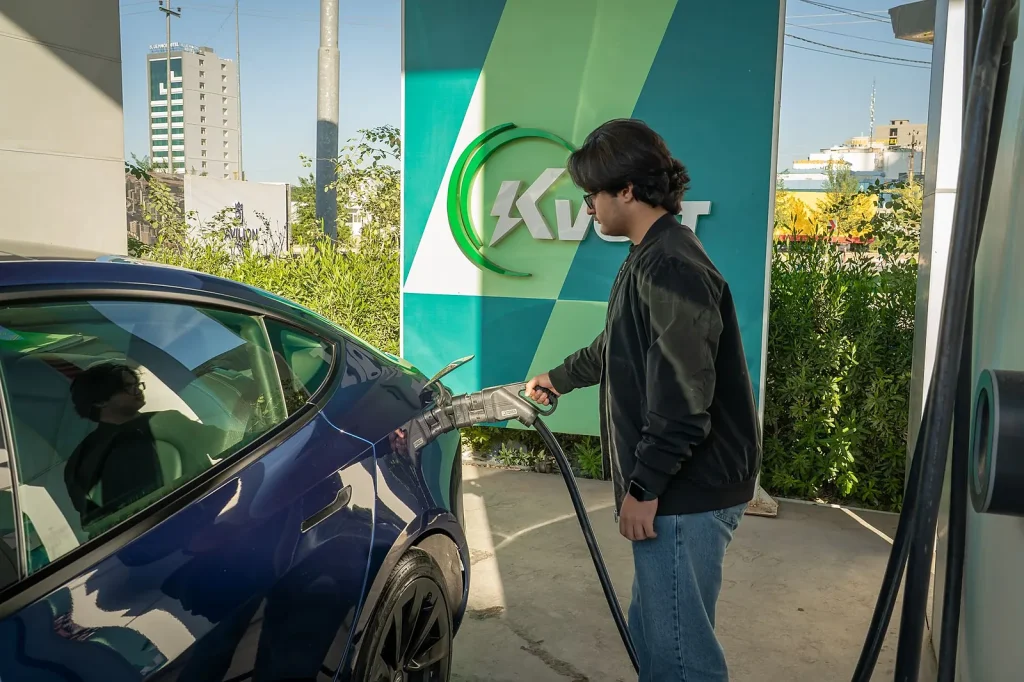
The Netherlands sees a surge in electric car purchases as petrol and diesel sales fall significantly.
The Dutch automotive market is experiencing a remarkable shift as electric vehicle sales surge while petrol and diesel car sales decline. In the first half of this year, the Netherlands saw a 25% drop in new petrol and diesel vehicle registrations, highlighting a significant transformation in consumer preferences and environmental policies.
Electric Vehicle Sales Surge
Electric vehicle (EV) sales have seen an impressive increase, with more Dutch consumers opting for cleaner transportation options. This trend is largely attributed to the Dutch government’s supportive measures, which include subsidies and tax benefits designed to encourage the adoption of electric vehicles. According to industry reports, these incentives have played a crucial role in making EVs more accessible and financially attractive to the public.
As a result, the Netherlands is witnessing a growing commitment to reducing carbon emissions and promoting sustainability. The shift in the automotive market reflects the broader environmental policies that aim to decrease the country’s carbon footprint and combat climate change. The increase in electric vehicle sales is a testament to the effectiveness of these policies and the changing attitudes of Dutch consumers.
Government Support Boosts Adoption
The Dutch government’s role in this transition cannot be overstated. By offering financial incentives such as purchase subsidies and reduced road taxes for electric vehicles, the government has made EVs a more viable option for many residents. Additionally, investments in charging infrastructure across the country have alleviated range anxiety, making electric vehicles a practical choice for daily commuting.
the government has set ambitious targets to phase out petrol and diesel vehicles in the coming years, further encouraging the shift towards electric mobility. These measures are part of a broader strategy to achieve a sustainable transportation system and meet international climate agreements.
Industry experts believe that the continued support from the government will be essential in maintaining the momentum of electric vehicle adoption. As the infrastructure for EVs continues to improve, and more models become available, the Dutch automotive market is expected to see even greater growth in electric vehicle sales.
Government resources provide detailed information on the incentives available for electric vehicle buyers. Additionally, the CBS offers statistical insights into the changing automotive market.
Background and Future Prospects
The shift from traditional fuel cars to electric vehicles in the Netherlands is not only a response to environmental concerns but also a reflection of evolving consumer preferences. As more residents become aware of the environmental impact of their transportation choices, the demand for sustainable options continues to rise.
Looking ahead, the Dutch automotive industry is poised for further transformation. With ongoing advancements in battery technology and a growing selection of electric models, the appeal of EVs is set to increase. The government’s continued commitment to sustainability and innovation will likely drive the market towards a greener future.
the rise in Dutch electric vehicle sales marks a key moment in the country’s journey towards sustainable transportation. With the support of government policies and a shift in consumer attitudes, the Netherlands is leading the way in embracing clean energy solutions.