Dutch UN vote abstention on slavery resolution ignites concerns
Dutch UN vote abstention on slavery resolution without consulting Caribbean partners sparks concerns over historical accountability.

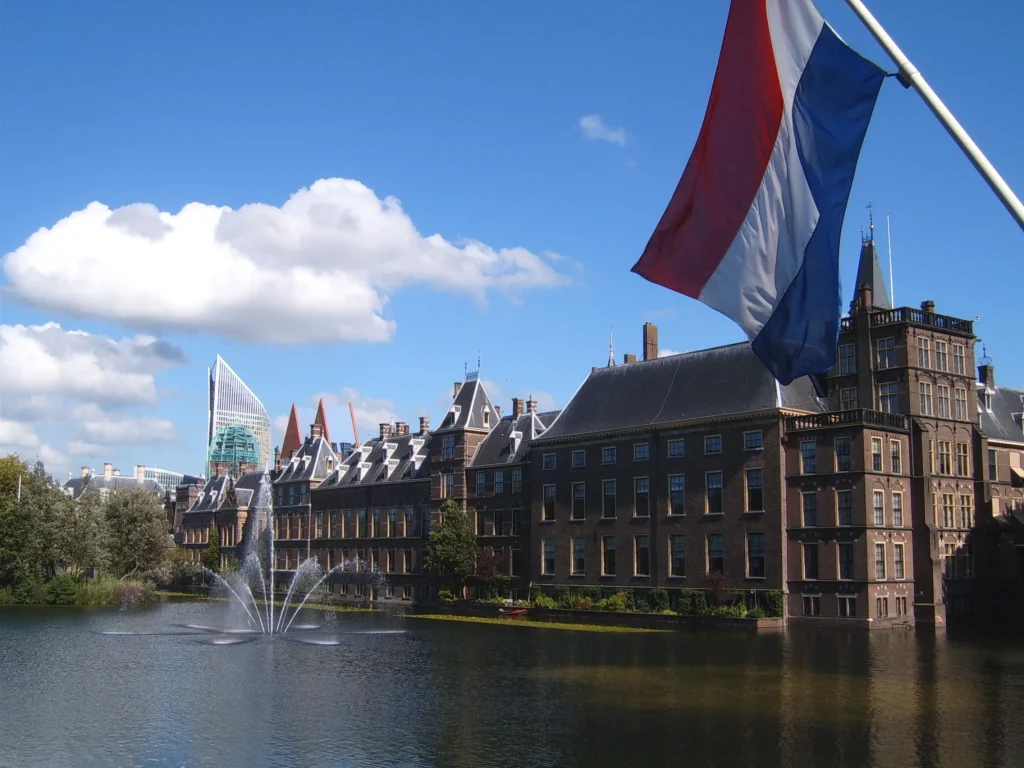
The Netherlands’ lack of consultation on a UN slavery resolution stirs diplomatic tensions.
The Dutch UN vote abstention on a critical resolution regarding the trans-Atlantic slave trade has sparked significant concerns among Caribbean partners. The resolution named the slave trade as the worst crime against humanity. However, the Netherlands chose to abstain without prior consultation with its Caribbean territories. This decision has been met with criticism for potentially undermining the efforts to address historical injustices.
Background on the UN Resolution
The United Nations recently passed a resolution recognizing the trans-Atlantic slave trade as the gravest crime against humanity. This resolution is pivotal in acknowledging the historical impact of slavery and its enduring legacies. Many countries, particularly those with colonial histories, supported the resolution as a step towards reconciliation and justice.
However, the Netherlands’ decision to abstain has raised questions. Dutch officials expressed concerns about the implications of historical hierarchies and the potential retroactive application of international laws. Despite these concerns, the lack of communication with Caribbean partners has become the focal point of the critique.
Implications of Dutch UN Vote Abstention
The absence of dialogue with Caribbean countries, which are former Dutch colonies, has been viewed as a diplomatic oversight. These territories, including the Caribbean islands of Aruba, Curaçao, and Sint Maarten, have a significant stake in discussions about slavery and its historical impacts. By not engaging these partners, the Netherlands risks straining relations within the Kingdom of the Netherlands.
Experts emphasize that open communication is crucial in addressing historical injustices. The abstention without consultation suggests a disregard for the voices of those most affected by the legacy of the slave trade. This move may hinder efforts to foster equity and understanding within the Kingdom.
Moreover, the decision has been criticized for potentially undermining the Netherlands’ commitment to historical accountability. As a nation that has previously acknowledged its colonial past, this action seems to contradict its stance on addressing historical wrongs.
In the broader context, the abstention raises questions about the Netherlands’ role and responsibilities in international forums. It highlights the need for more inclusive decision-making processes that consider the perspectives of all stakeholders, particularly those directly impacted by historical actions.
For more information on the resolution, visit the United Nations website. To understand the Dutch government’s stance, you can refer to the Rijksoverheid.
What Happens Next?
Moving forward, it is essential for the Netherlands to engage in meaningful dialogue with its Caribbean partners. This includes acknowledging their concerns and working collaboratively to address the legacies of the slave trade. Such efforts could help strengthen the bonds within the Kingdom and promote a more equitable future.
The situation also calls for a reassessment of how decisions are made in international forums. Emphasizing inclusivity and transparency can prevent similar diplomatic oversights in the future. It remains to be seen how the Netherlands will navigate this complex issue and what measures will be taken to repair any damage to its relationships with Caribbean countries.
As this story develops, it will be crucial to monitor the responses from both the Dutch government and Caribbean leaders. Their actions will likely set the tone for future engagements on sensitive historical matters.