Dutch unions keep pressure on social security talks
Dutch unions are keeping pressure on the cabinet as talks continue over pensions, unemployment benefits and disability support.

Dutch unions are keeping pressure on the cabinet as the dispute over social security continues.
The conflict centres on three parts of the Dutch system. AOW is the state pension. WW is unemployment benefit. WIA is disability support for people who cannot work, or can only work less, because of long-term illness.
The cabinet has already dropped a plan to raise the AOW age faster. It also said planned changes to WW and WIA will not move ahead for now. But unions say that is not enough. They want the cuts fully removed from the table.
Minister Vijlbrief wants to speak with parties in the Tweede Kamer about a wider social agreement for the labour market and the economy. That is important because the cabinet does not have a majority on its own. It holds 66 of the 150 seats and needs support from other parties.
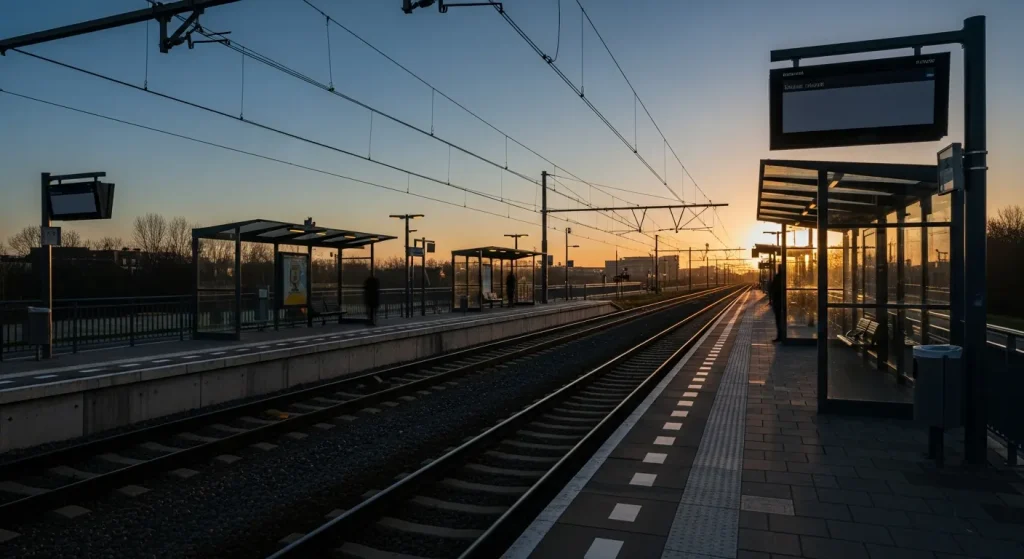
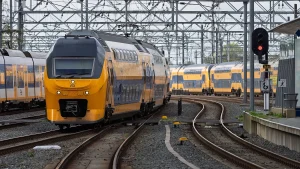
The unions are still preparing action. Public transport workers are expected to start work later on Wednesday 24 June. That means trains, buses, trams and metros may not run in the early morning until 08.00.
Anyone who depends on public transport for work, school, airport travel or medical appointments should watch updates before that date.
But the issue is bigger than one morning of disruption. It is about how the Dutch welfare state should work. The Netherlands is known for a system where government, unions and employers try to reach compromise. When that polder model fails, strikes become more likely.
The disagreement also comes during a period of cost pressure. Many households are dealing with high rent, expensive groceries and uncertainty about future income. Unions argue that workers should not face weaker protection if they lose their job or become unable to work.
Employers want talks to continue. They also want a broader deal that includes issues such as labour shortages, sickness pay and economic reform.
The next important moment is the political debate in The Hague. If the cabinet cannot give unions enough certainty, the 24 June public transport action may become the first visible sign of a wider conflict.