Dutch Waterways Drought Impact Shakes €1.8 Billion Shipping Sector
The ongoing drought in the Netherlands is impacting Dutch waterways, disrupting vital transportation routes and affecting the economy.

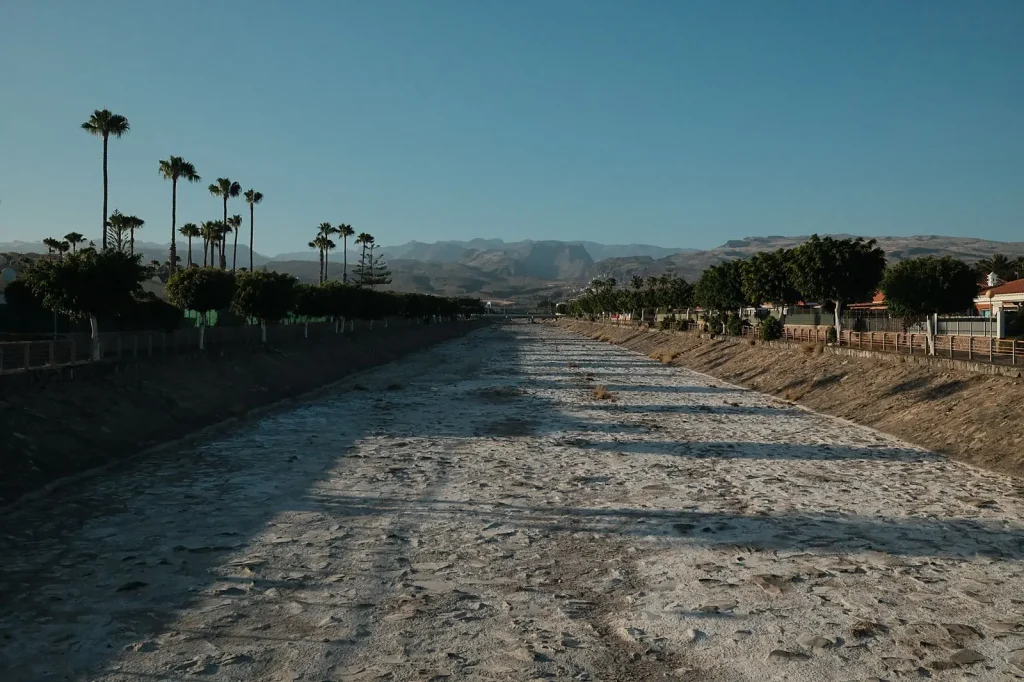
Ongoing drought disrupts shipping routes, affecting businesses relying on Dutch waterways.
The ongoing drought in the Netherlands is having a significant impact on Dutch waterways, disrupting vital transportation routes and affecting the economy. This follows the recent closure of the Twentekanaal, further highlighting the economic strain on businesses reliant on these waterways.
Dutch inland shipping is a cornerstone of the national economy, contributing approximately €1.8 billion annually. The industry supports over 22,000 jobs, making it a vital component of the Dutch economic landscape. However, the current drought conditions are threatening this crucial sector.
Drought Closes Key Waterways
The closure of the Twentekanaal has severely disrupted the transport of essential goods like concrete and sand. These closures are causing significant logistical challenges for companies relying on these routes. ForFarmers, a major agricultural feed company, and the Rouwmaat Group, involved in construction, are among those affected.
With water levels dropping, vessels are unable to carry full loads, impacting efficiency and increasing transportation costs.
Economic Implications
The drought shows the dependency of the Dutch economy on its extensive network of waterways, which spans over 7,000 kilometers. These waterways are not only vital for transporting goods but also for maintaining economic stability. As industries face operational challenges, there is a growing concern about the long-term impact on the economy.
Efforts are underway to mitigate the effects of the drought. However, the situation highlights the need for sustainable water management solutions to ensure the resilience of the Dutch economy. The current crisis serves as a reminder of the importance of maintaining navigable waterways and the need for innovative approaches to deal with climate-related challenges.
The Dutch government, along with industry stakeholders, is exploring measures to address the immediate disruptions and prevent future occurrences. These include investing in infrastructure improvements and developing strategies for better water management.
As the drought continues, businesses and policymakers are urged to collaborate on finding solutions that balance economic needs with environmental sustainability. The resilience of the Dutch economy depends on its ability to adapt to changing climate conditions and safeguard its vital transportation networks.
Background
The Netherlands has long relied on its waterways for economic activities. The complex network of canals and rivers facilitates the movement of goods throughout the country and into Europe. Inland shipping is a cost-effective and environmentally friendly mode of transport that supports various industries, from agriculture to manufacturing.
However, the increasing frequency of droughts poses a significant threat to this mode of transportation. Climate change is exacerbating weather extremes, and the Netherlands must adapt to these changes to protect its economic interests.
What Happens Next?
Looking ahead, the focus will be on implementing short-term measures to alleviate the current disruptions. This includes temporary adjustments to shipping routes and increased reliance on alternative transportation methods where feasible. In the long term, there is a need for comprehensive water management policies that address the challenges posed by climate change.
The Dutch government is expected to work closely with industry leaders to develop strategies that ensure the continued viability of inland shipping. By investing in infrastructure and fostering innovation, the Netherlands can strengthen its resilience against future droughts and secure its economic future.