Netherlands-Belgium Energy Exchange Soars 30% with New Line
The Netherlands and Belgium have launched a new high-voltage line, boosting electricity exchange capacity and supporting industrial demand.

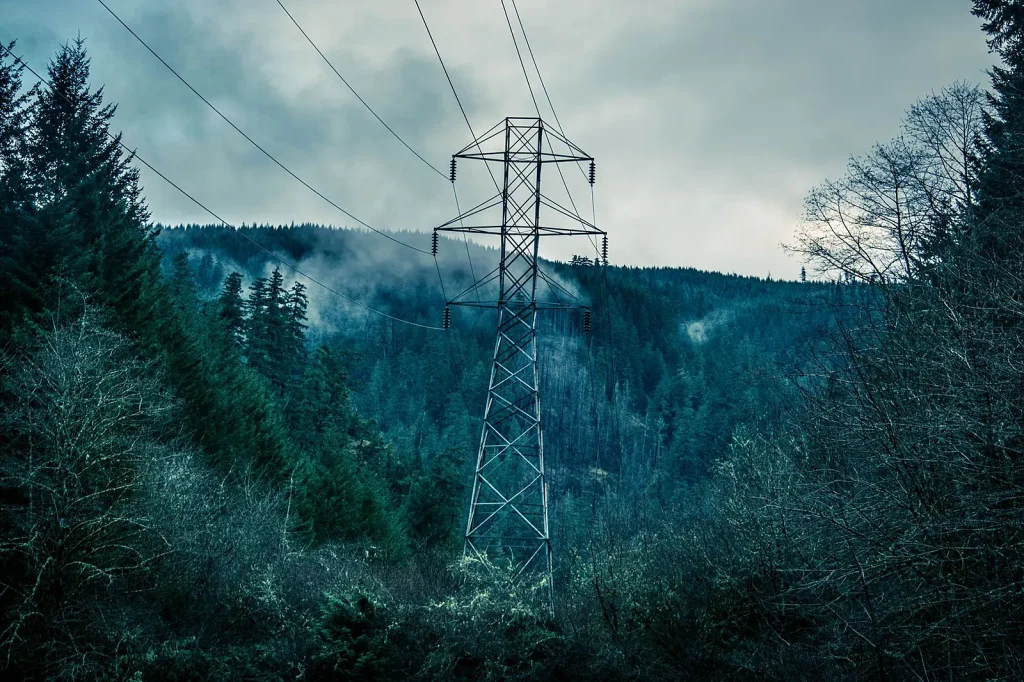
A new high-voltage line enhances energy security and supports industrial demand between the Netherlands and Belgium.
The Netherlands and Belgium have taken a significant step forward in energy cooperation with the launch of a new high-voltage power line. This infrastructure boosts the electricity exchange capacity between the two countries, providing a solid foundation for enhanced energy security and industrial growth.
Boost to Energy Exchange
The newly inaugurated power line is part of the extensive Brabo project, aiming to strengthen the energy infrastructure between the Netherlands and Belgium. Managed by Dutch electricity transmission system operator Tennet and Belgian counterpart Elia, the line not only increases the capacity for electricity exchange but also supports the efficient management of surplus green energy.
This development is crucial for meeting the growing electricity demands, especially in industrial areas such as the Antwerp harbor. The enhanced capacity allows both countries to handle fluctuations in renewable energy production more effectively, ensuring a stable supply.
Industrial Impact and Sustainability
Antwerp Mayor Bart De Wever has hailed the project as a “new artery for industrial growth.” He emphasized its vital role in facilitating the transition to sustainable energy sources. The line supports industries that are increasingly reliant on a stable and efficient energy supply.
The power line’s completion marks a significant achievement in cross-border collaboration. It highlights the importance of infrastructure projects that transcend national boundaries to address common challenges. In this case, it aligns with European goals for sustainable energy and reduced carbon emissions.
The project shows the commitment of both nations to not only bolster their energy security but also promote sustainable practices. The increased capacity ensures that energy demands can be met without compromising environmental goals.
Background
The Brabo project has been in development for several years, reflecting a joint effort to improve energy infrastructure. The collaboration between Tennet and Elia illustrates the strategic importance of such projects in the broader context of European energy policy.
Given the rising demand for electricity and the push towards renewable energy, the new line represents a proactive approach to future-proofing the energy needs of both countries. By enhancing the capacity for electricity exchange, it provides a buffer against potential energy shortages and supports industrial expansion.
What Happens Next
Moving forward, the focus will be on optimizing the use of this new infrastructure. Both nations are expected to continue their collaboration, exploring additional opportunities to strengthen energy ties.
The success of this project may serve as a model for other countries facing similar challenges. It demonstrates how strategic investments in infrastructure can lead to significant gains in energy security and industrial growth.
The completion of the high-voltage line is a testament to the potential of cross-border cooperation in achieving shared energy objectives. As the Netherlands and Belgium continue to work together, the benefits of this collaboration are likely to extend beyond energy, influencing broader economic and environmental policies.
For more information on the Brabo project and its implications, you can visit the official sites of Tennet and Elia.