Dutch Wine Industry Soars with 30% Production Increase
The Dutch wine industry is experiencing a rise in production due to a warmer climate, presenting both opportunities and challenges.

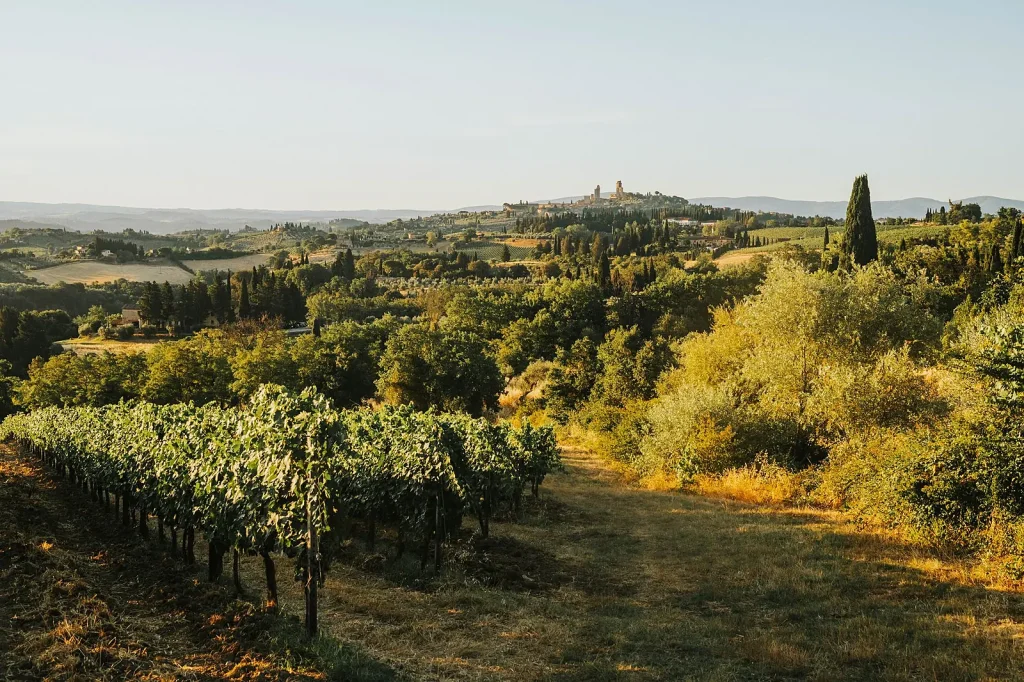
Warmer climate boosts Dutch wine production but also presents challenges for vineyards.
The Dutch wine industry is experiencing a significant transformation. A warmer climate has led to an increase in wine production, offering both opportunities and challenges for local vineyards. As temperatures rise, conditions for grape cultivation in the Netherlands have improved, resulting in a surge in wine production.
Climate Change and Wine Production
Traditionally, the Netherlands has not been known for its wine. However, changes in climate are altering this perception. Warmer temperatures have made it possible for vineyards to flourish, leading to an increase in both the quantity and quality of Dutch wine. According to CBS, the Dutch wine market is expanding, and local producers are finding new opportunities to enter the competitive wine industry.
However, this climatic advantage is not without its challenges. Extreme heat and unpredictable weather patterns can threaten vineyards, posing significant risks to the harvest. Dutch producers are becoming increasingly aware of these concerns and are adapting their practices to mitigate potential damage. For instance, some vineyards are experimenting with new grape varieties that are more resistant to heat.
Challenges Facing the Dutch Wine Industry
While the warmer climate has been beneficial, it also presents obstacles. The extreme heat can lead to sunburned grapes, which affects the quality of the wine. unpredictable weather, including sudden storms and heavy rainfall, can damage crops. These challenges require innovative solutions from Dutch winemakers.
One approach being explored is the use of technology to monitor and manage vineyards more effectively. By leveraging data and analytics, producers can better predict weather patterns and respond accordingly. This proactive approach is crucial for maintaining the quality and consistency of Dutch wine.
Despite these challenges, the Dutch wine industry remains optimistic. The potential for market expansion is significant, and local producers are eager to capitalize on this opportunity. With increasing interest from both domestic and international consumers, the Netherlands is poised to become a notable player in the global wine market.
What Happens Next?
The future of the Dutch wine industry looks promising. As climate change continues to reshape agricultural practices worldwide, the Netherlands is uniquely positioned to benefit from these changes. However, to sustain this growth, the industry must continue to innovate and adapt to the challenges posed by a changing climate.
Local producers are already taking steps to ensure their vineyards are resilient. By investing in technology and exploring new grape varieties, they are setting the stage for long-term success. The potential for the Dutch wine market to flourish is evident, and with the right strategies, it could become a significant contributor to the country’s economy.
As the world grapples with the impacts of climate change, the Dutch wine industry serves as a reminder of the opportunities and challenges that lie ahead. With careful planning and adaptation, the Netherlands could see its wine production continue to soar, offering a unique and valuable addition to the global wine industry.