Gelderland Ponts Suspension Halts 5 Key Routes Amid Drought
Gelderland ponts suspension affects key routes as low water levels halt services due to ongoing drought conditions.

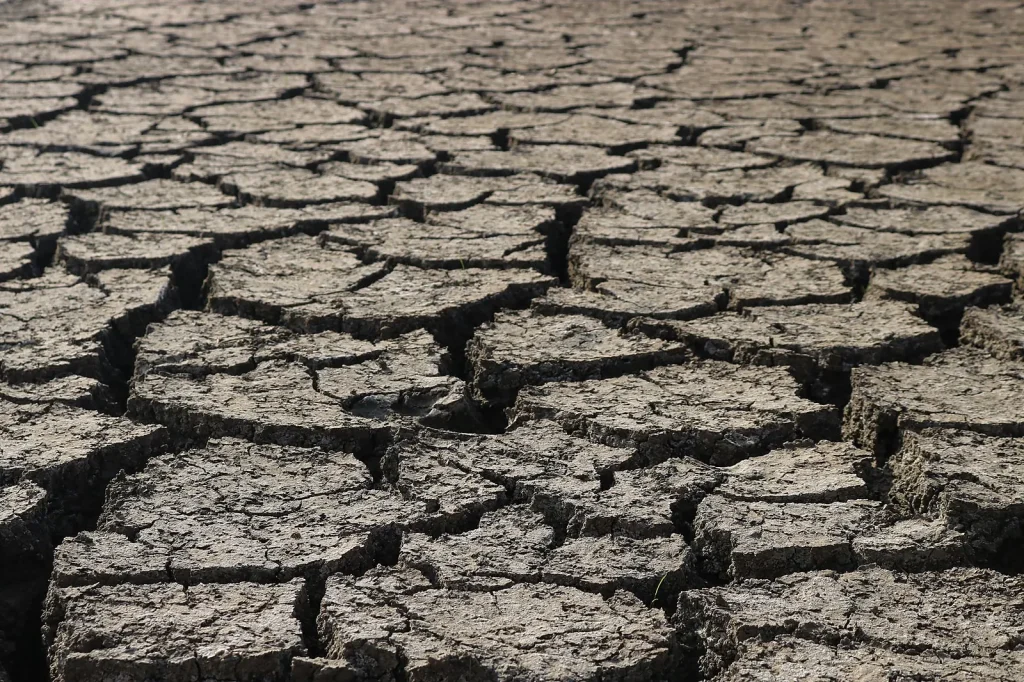
Low water levels in Gelderland halt ferry services, highlighting drought impact on local transport.
The suspension of several ferry services in Gelderland due to low water levels is affecting local transportation routes. This issue has arisen due to the ongoing drought conditions impacting the region’s rivers, including the IJssel and Waal. The situation highlights the broader challenges posed by climate change in the Netherlands.
Impact of Low Water Levels
Several ponts in Gelderland have stopped operating as water levels in the Rijn and its tributaries, such as the Waal and IJssel, have reached historically low levels. This has led to the temporary cessation of ferry services between key locations, including the Gelderland towns of Doornenburg and Pannerden. The halting of these services has disrupted daily commutes and local transport, affecting residents and businesses alike. The ferries are a vital link for many communities, providing essential connections across the rivers.
Ongoing Drought Conditions
Drought conditions have persisted in the Netherlands, causing significant challenges for various sectors. The low water levels are a direct result of prolonged dry weather, which has been exacerbated by climate change. According to climate experts, these conditions are likely to become more frequent as global temperatures rise.
The Dutch government has been monitoring the situation closely, with Rijkswaterstaat, the agency in charge of Dutch roads and waterways, providing regular updates on water levels and their impact on transport infrastructure. Efforts are being made to find long-term solutions to manage water shortages and mitigate the effects of climate change.
In response to the current situation, local authorities are urging residents to consider alternative transportation options where possible. Meanwhile, ferry operators are working on contingency plans to minimize disruption and resume services as soon as conditions allow.
Background
The Netherlands has a long history of dealing with water management challenges. However, the current drought scenario presents unique difficulties. Historically, the country has focused on controlling high water levels, but recent climate patterns have forced a shift in focus towards managing low water situations.
In the past, the primary concern was flooding, leading to the construction of extensive dike systems and water barriers. Now, the emphasis is on ensuring sufficient water levels in rivers and canals to maintain transportation and ecological balance.
What Happens Next?
As drought conditions continue, the outlook for ferry services remains uncertain. Authorities are considering various strategies to address the issue, including water conservation measures and infrastructure adjustments to accommodate changing water levels.
Local governments in Gelderland are working with national agencies to develop a comprehensive plan to adapt to these new challenges. This includes investing in technology and infrastructure that can better manage water resources and enhance resilience against climate change impacts.
The situation in Gelderland serves as a reminder of the urgent need to address climate change and its effects on daily life. As the country handle these challenges, the focus will remain on finding sustainable solutions to ensure the continuity of essential services like ferry transportation.
Residents and businesses in the region are encouraged to stay informed through official channels for updates on service resumption and alternative transportation options.
For more information, visit the Rijkswaterstaat website or follow updates from the Dutch Central Bureau of Statistics.