IJ Bridge Cost Doubles, Rocks Amsterdam Council
The Oostbrug over the IJ in Amsterdam faces cost hikes, doubling initial estimates and sparking transparency debates.

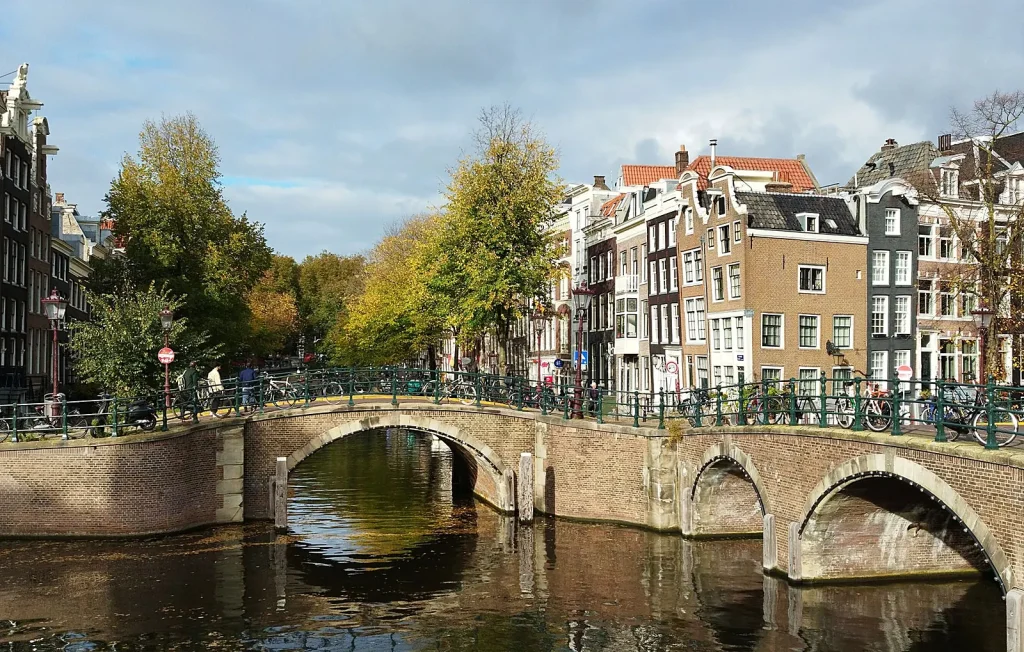
Projected costs for Amsterdam’s Oostbrug over the IJ could double, raising transparency concerns.
Amsterdam’s city council is facing significant backlash over the projected costs of the Oostbrug, a planned bridge over the IJ. The controversy centers on the escalating costs, now expected to soar from the initial estimate of 325 million euros to between 650 and 850 million euros.
Cost Projections and Political Fallout
The Oostbrug, intended to enhance connectivity across the IJ, has become a focal point of political tension. Documents reveal that the potential cost increase was known before the recent city elections. However, these figures were not disclosed to the city council, sparking widespread criticism from both council members and the public.
Critics argue that withholding such vital information undermines transparency and accountability within the local government.
Implications for Future Projects
The controversy over the Oostbrug is not just about financial mismanagement but also the broader implications for governance in Amsterdam. The city’s residents and officials are now questioning the decision-making processes and the reliability of future infrastructure projects. Trust in the local government has been shaken, and calls for greater transparency are growing louder.
The backlash has prompted the city council to reassess its approach to handling major infrastructure projects. There are discussions about implementing stricter guidelines for financial disclosures and enhancing the oversight of project management. This situation serves as a reminder of the importance of transparency in maintaining public trust.
Background
The Oostbrug is a major infrastructure project designed to improve transportation links across Amsterdam’s IJ river. It has been part of the city’s long-term development plans, aiming to reduce congestion and promote sustainable transport options. However, the recent revelations about cost overruns have overshadowed its potential benefits.
The initial estimate of 325 million euros was based on preliminary assessments. As planning progressed, unforeseen challenges and rising construction costs contributed to the revised figures. Despite this, critics argue that such significant changes should have been communicated promptly to the council and the public.
What Happens Next?
In response to the controversy, Amsterdam’s city council has called for an independent audit of the Oostbrug project. This audit aims to uncover the reasons behind the cost escalation and evaluate the decision-making process. Additionally, there are plans to hold a public forum where residents can express their concerns and suggestions for improving transparency.
The outcome of these measures will likely influence how Amsterdam approaches future infrastructure projects. Ensuring that lessons are learned from this incident is crucial to rebuilding trust with the public and ensuring that such oversights do not occur again.
The IJ Bridge cost controversy serves as a stark reminder of the challenges faced by local governments in balancing ambitious development goals with the need for transparency and accountability. As Amsterdam handle this issue, the broader implications for governance and public trust remain at the forefront of the conversation.