Khadija Arib conflict resolution ends 18-month dispute
Khadija Arib's conflict with the Tweede Kamer is resolved through mediation, ending an 18-month political dispute.

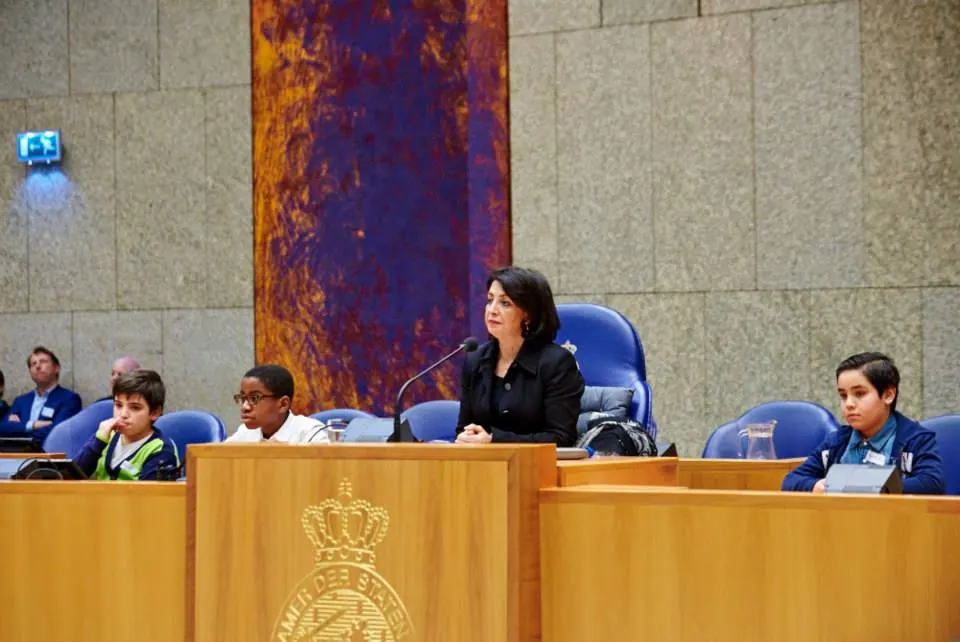
The mediation between Khadija Arib and the Tweede Kamer leadership concludes a longstanding controversy.
The conflict between Khadija Arib, former chair of the Tweede Kamer (Dutch House of Representatives), and its current leadership has been resolved through mediation. This marks the end of a prolonged dispute that has lingered for 18 months. The resolution was confirmed by current chair Van Campen, bringing closure to a politically sensitive issue that has affected the chamber’s stability.
Arib, who served as chair from 2016 to 2021, was involved in a conflict that arose from anonymous complaints. These complaints led to a significant rift between her and the current leadership. The nature of the complaints has not been publicly disclosed, but they were serious enough to warrant mediation and judicial review.
Mediation Brings Closure
Mediation was chosen to resolve the matter discreetly, avoiding a drawn-out legal battle. This approach was seen as a way to maintain the dignity and privacy of those involved. The mediator’s findings remain confidential, but the agreement reached signifies a move towards restoring stability within the Tweede Kamer.
Van Campen, the current chair, expressed relief at the resolution. He stated, “This agreement allows us to focus on our duties and move forward without the shadow of this conflict.” Arib has not publicly commented on the resolution, but it is understood that she agreed to the mediation terms to bring an end to the dispute.
Impact on Dutch Politics
The resolution of this conflict is significant for Dutch politics. It restores a sense of normalcy to the Tweede Kamer, which has been under pressure due to this internal discord. The dispute had implications for the chamber’s operations, with concerns about how it might affect legislative processes.
Political analysts note that the resolution through mediation reflects a commitment to resolving disputes amicably within Dutch political institutions. It also highlights the importance of maintaining confidentiality in sensitive matters, ensuring that personal reputations and institutional integrity are preserved.
The Tweede Kamer can now refocus on its legislative agenda without the distraction of internal conflicts. This is crucial as it deals with pressing national issues that require full attention and cooperation among its members.
Background and Future Implications
Khadija Arib, a prominent figure in Dutch politics, has been a member of the Tweede Kamer since 1998. Her tenure as chair was marked by efforts to increase transparency and efficiency within the chamber. The conflict, however, cast a shadow over her legacy, as it involved sensitive accusations that were never made public.
Looking ahead, the resolution of this conflict sets a precedent for how similar disputes might be handled in the future. It shows the value of mediation in resolving political disagreements and maintaining the functionality of essential institutions.
The Tweede Kamer’s focus will now shift to other pressing matters, including economic policies and international relations. The resolution provides an opportunity for its members to collaborate more effectively, ensuring that the chamber operates smoothly and efficiently.
As the dust settles, the political community will watch closely to see how this resolution influences future interactions within the Tweede Kamer. The hope is that it will foster a more cooperative and less contentious political environment.