Leeuwarden apologises after swallow nests destroyed at construction site
Leeuwarden swallow nests were accidentally destroyed at a construction site, prompting a formal apology from the municipality and pledges of tougher ecological safeguards.

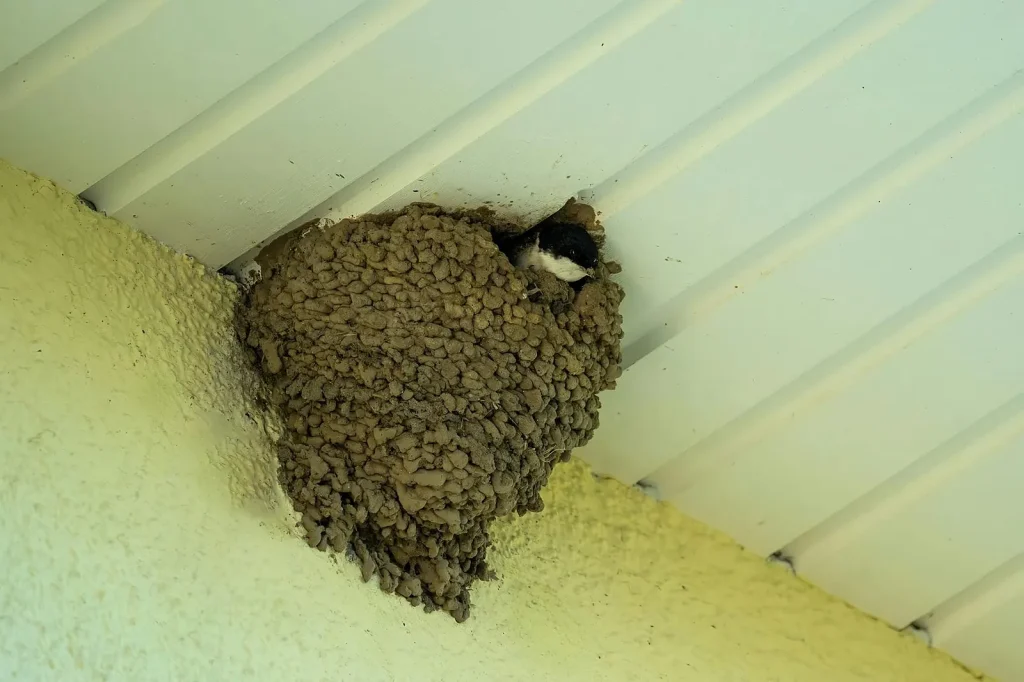
Leeuwarden admits construction crews flattened a protected sandbank nesting site during active breeding season, sparking calls for stricter oversight.
Leeuwarden swallow nests became the centre of an uncomfortable controversy this week after the northern Dutch city formally apologised for the accidental destruction of a protected nesting site during active construction work. The incident, which occurred when a sandbank used by nesting swallows was flattened by building machinery, has reignited debate about the legal obligations municipalities face when carrying out urban development projects during the ecological breeding season.
What Happened at the Leeuwarden Swallow Nests Site
According to the municipality of Leeuwarden, the capital of the northern province of Friesland, construction crews working at a local building site failed to identify and protect a sandbank that was actively being used by swallows as a nesting location. The sandbank was levelled as part of routine earthmoving activities, destroying the nests in the process.
Swallows, including the sand martin (Riparia riparia) and barn swallow (Hirundo rustica), are among the bird species that enjoy full legal protection under Dutch law. The Dutch Nature Conservation Act (Wet natuurbescherming), which succeeded the Flora and Fauna Act, strictly prohibits the deliberate disturbance or destruction of nests belonging to protected species. Violations can result in significant fines or even criminal prosecution.
Municipal officials acknowledged the mistake publicly and expressed regret. They noted that the oversight was especially serious given that the destruction occurred during the active breeding season, typically running from April through August, when birds are most vulnerable and nest disturbance causes the greatest harm to populations.
The Leeuwarden swallow nests incident is not an isolated case in the Netherlands. Across the country, construction projects frequently come into conflict with protected wildlife, particularly during the spring and summer months. Experts and conservation groups have long argued that pre-construction ecological surveys need to be mandatory and rigorously enforced at every site, regardless of the scale of the development.
Legal Duties and the Road Ahead for Leeuwarden Swallow Nests Protection
Under Dutch and European regulations, developers and public authorities have a clear duty of care when their activities might affect protected species. The Dutch central government’s nature protection framework requires that anyone undertaking work that could disturb nesting birds must first assess the risk and, where necessary, apply for an exemption or take mitigation measures. Simply being unaware of a nest’s presence is generally not considered an adequate defence.
Leeuwarden’s local government has pledged to implement stricter environmental supervision protocols going forward. These measures are expected to include mandatory pre-construction ecological assessments, the appointment of dedicated on-site environmental supervisors for projects in sensitive areas, and the introduction of seasonal construction restrictions during peak nesting periods.
The city has also indicated it will work more closely with ecological advisors and nature monitoring organisations to ensure that future development projects do not repeat the kind of oversight that led to the destruction of the Leeuwarden swallow nests. While officials stopped short of outlining specific penalties for internal contractors, they emphasised that environmental compliance would become a core component of project planning and tender requirements.
Conservation advocates welcomed the apology but stressed that words must be followed by structural change. They pointed out that many municipalities across the Netherlands treat ecological checks as a bureaucratic formality rather than a substantive safeguard. In their view, the Leeuwarden incident is symptomatic of a broader cultural gap between urban development ambitions and genuine respect for biodiversity obligations.
Sand martins and barn swallows have seen notable population declines across Western Europe in recent decades, driven by habitat loss, reduced insect availability, and disturbances precisely of the kind seen in Leeuwarden. Protecting nesting sites, particularly the sandy banks and riverine habitats favoured by sand martins, is considered critical to stabilising local populations.
Residents and local environmental groups have responded to the news with a mixture of disappointment and cautious optimism. Several community members took to local forums to express frustration that the protections enshrined in law were not followed in practice. Others welcomed the municipality’s transparency, noting that publicly acknowledging mistakes is a necessary first step toward meaningful reform.
The incident also draws attention to a structural challenge in Dutch municipal governance: smaller cities and towns often lack the in-house ecological expertise that larger urban centres can call upon. Leeuwarden, with a population of around 125,000, may need to invest in specialist staffing or enter into formal agreements with provincial ecological services to ensure consistent compliance with nature protection law across all of its development activities.
For now, the city has committed to a full review of its construction oversight procedures. The outcome of that review, and whether the Leeuwarden swallow nests case leads to lasting systemic improvements, will be closely watched by conservation organisations, legal experts, and residents throughout Friesland and beyond.