Netherlands Drought Impact: Limburg Halts Water Use
The ongoing drought in the Netherlands has led to severe water restrictions in the province of Limburg, affecting agriculture and residents.

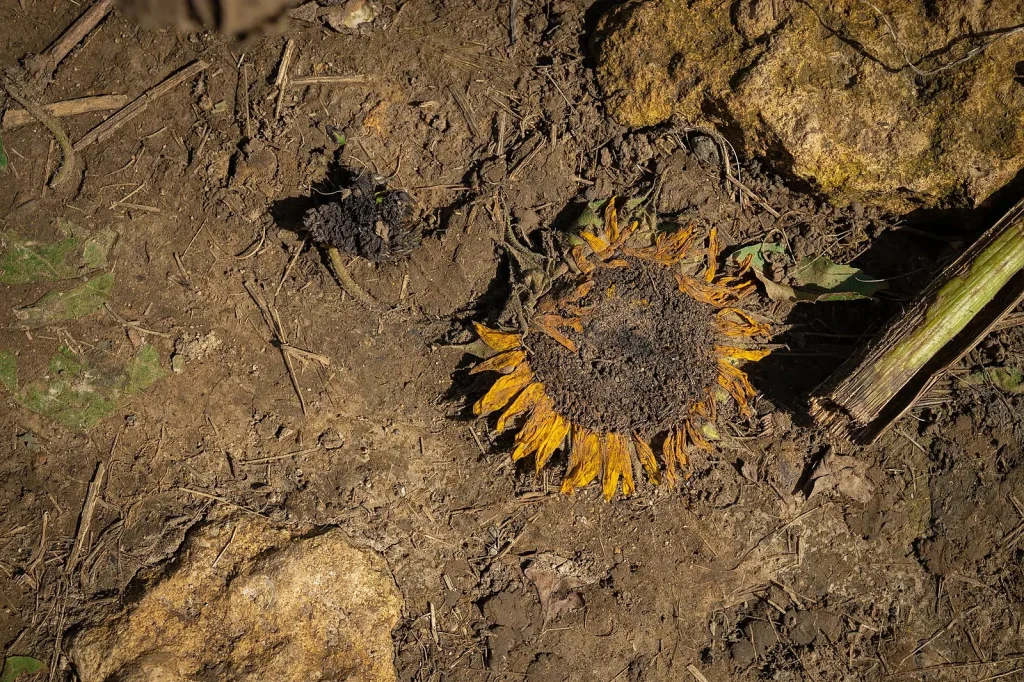
Severe water shortage in the Netherlands leads to strict restrictions in Limburg, affecting agriculture and daily life.
The Netherlands is currently grappling with a severe water shortage, a situation that has escalated due to an ongoing drought. The scarcity of water is causing significant concern across the country, particularly hitting the agricultural sector and daily life of residents hard.
Authorities, including the Dutch water management authority Rijkswaterstaat, have stepped up measures to handle this crisis. In the province of Limburg, one of the hardest-hit regions, strict water restrictions are being put in place. From tomorrow morning, the use of open water for irrigation and public purposes will be severely limited. This move is part of a broader effort to conserve water and mitigate the impact of the drought.
Water Restrictions in Limburg
Saskia Borgers, dijkgraaf of waterschap Limburg, highlighted the seriousness of the situation. “Droogte betekent schade, en die is vaak onherstelbaar voor flora en fauna,” she said, emphasizing the irreversible damage drought can cause to the environment. The restrictions in Limburg will affect not only agricultural irrigation but also the maintenance of public spaces like gardens and sports fields.
Despite these measures, exceptions are being made for critical uses such as firefighting and livestock. The authorities are keen on ensuring that essential services remain unaffected while trying to preserve as much water as possible.
Impact on Agriculture and Residents
The agricultural sector is particularly vulnerable to these restrictions. Farmers are facing challenges in maintaining their crops, which depend heavily on irrigation. This could lead to reduced yields and financial losses, impacting the local economy.
Residents are also feeling the effects. With limitations on water use, daily activities such as watering gardens and filling swimming pools are restricted. Citizens are encouraged to adhere to these rules to help manage the crisis efficiently.
The drought’s impact is visible across the country, with dry riverbeds and stressed flora and fauna becoming common sights. The situation is prompting officials to urge everyone to conserve water and follow the imposed restrictions diligently.
Background
The Netherlands, known for its extensive water management systems, is finding itself in an unusual predicament. The persistent drought has challenged traditional water management practices, pushing authorities to implement stricter measures.
Historically, the country has been adept at managing water through its network of dikes, canals, and pumping stations. However, the current drought has exposed vulnerabilities, prompting a reevaluation of strategies to cope with such extreme weather conditions.
What Happens Next?
As the situation unfolds, officials continue to monitor water levels and the effectiveness of the imposed restrictions. Further measures may be necessary if the drought persists or worsens.
Authorities are also exploring long-term solutions to enhance water resilience. This includes investing in technology and infrastructure that can better withstand future droughts, ensuring that both agriculture and daily life can continue with minimal disruption.
For now, the focus remains on managing the immediate crisis. Residents and businesses are urged to cooperate with the restrictions, as collective efforts are crucial in navigating this challenging period.
For more information on the water management efforts in the Netherlands, visit Rijkswaterstaat and Politie.