South Holland Reviews Swimming Ban as Demand Soars
The province of South Holland is reviewing its swimming ban in canals. Rising temperatures increase demand for safe recreational water spaces.

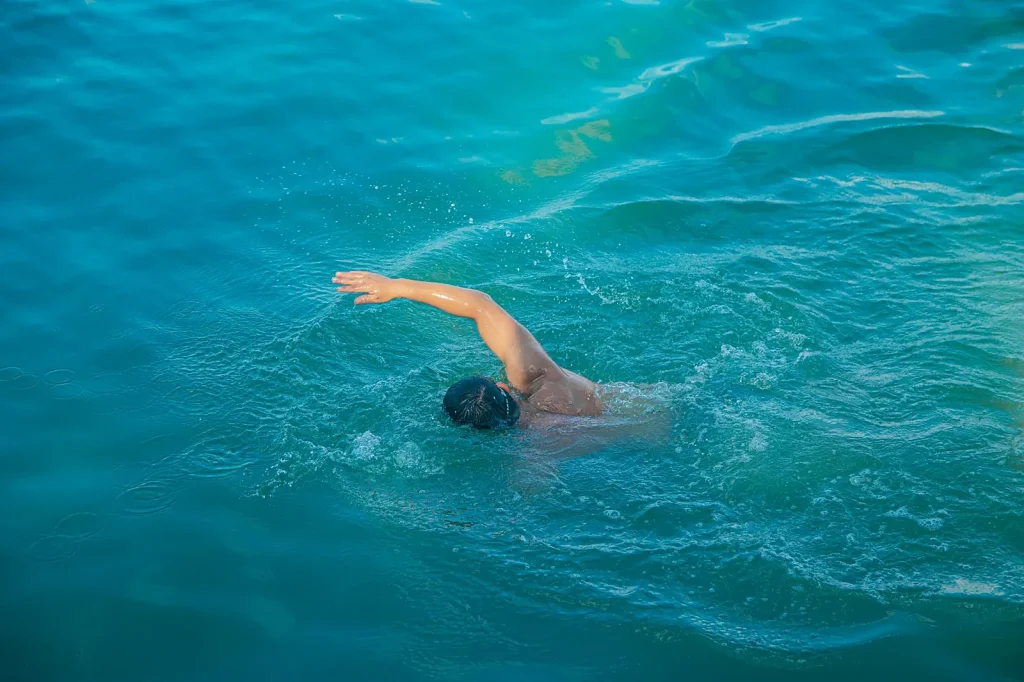
With warmer weather, South Holland considers lifting canal swimming bans to enhance public health and leisure.
The province of South Holland is re-evaluating its long-standing swimming ban in canals and rivers. Rising temperatures and urban expansion have increased the demand for recreational water spaces. The province aims to balance safety concerns with public health benefits.
Safety Concerns and Current Bans
Currently, swimming in many waterways in South Holland is prohibited. The bans exist due to safety risks, including strong currents and heavy boat traffic. These factors make swimming potentially dangerous. Authorities are now exploring ways to transform some restricted areas into safe swimming zones.
Tessa Beeloo, a member of the Provinciale Staten, initiated the discussion. She emphasized the need for more recreational spots, highlighting that urban development and warming temperatures necessitate new public spaces. “Our communities deserve safe and accessible areas to enjoy water activities,” Beeloo said.
Potential for Safe Swimming Zones
The authorities are considering several locations across the province. These areas would need significant improvements to ensure swimmer safety. Enhancements could include better water quality checks and measures to address potential dangers like boat traffic.
The plan reflects a broader focus on public health and leisure. By providing more opportunities for outdoor activities, the province hopes to improve the quality of life for its residents. The proposed changes aim to offer a safe environment for swimming while maintaining the ecological balance of the waterways.
In addition to safety measures, authorities are also considering the environmental impact. Ensuring that water quality is not compromised is a priority. This involves regular monitoring and potential infrastructure developments to support cleaner water.
Background
The discussion around lifting the swimming ban has been ongoing. However, the recent rise in temperatures has accelerated the need for action. Many residents have expressed a desire for more accessible water spaces, particularly in urban areas lacking green spaces.
South Holland is not alone in this initiative. Other provinces are also exploring similar measures to enhance recreational opportunities. The collaboration among regions could lead to a nationwide strategy for safe and accessible swimming areas.
What Happens Next?
The review process will involve consultations with local communities, environmental experts, and safety authorities. The goal is to create a comprehensive plan that addresses all concerns.
If successful, the initiative could serve as a model for other regions facing similar challenges. By prioritizing both safety and accessibility, South Holland aims to lead the way in providing innovative solutions for public recreation.
For more information on water safety and quality in the Netherlands, visit Rijksoverheid and Politie.