Netherlands Gas Reserves Drop, Experts Urge Immediate Action
Netherlands gas reserves are significantly below safe levels midway through the filling season, raising energy security concerns.

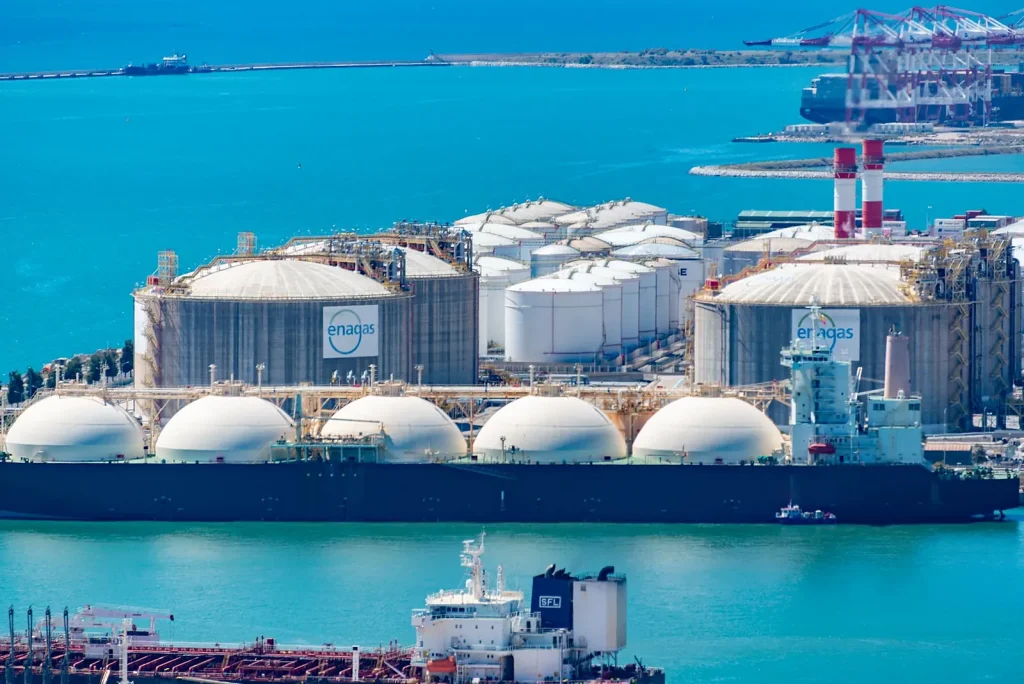
Concerns rise as gas storage levels remain low midway through the filling season, threatening winter energy security.
The Netherlands is facing a critical challenge as its gas reserves remain significantly below safe levels. This situation, occurring midway through the gas storage filling season, has raised serious concerns about energy availability and costs for the upcoming winter. The issue is pressing for both residents and businesses across the country.
Current Storage Levels and Implications
As of now, the Netherlands’ gas storage facilities are at a worrying low. This is a key time, as the country is halfway through its annual filling season. Energy experts and government officials warn that failing to meet adequate storage levels could lead to severe consequences during the winter months. The potential impacts include increased energy prices and possible shortages, which could affect households and industries alike.
Energy expert Pieter van Dijk from the Dutch Energy Council stated, “We are not where we need to be in terms of gas reserves. Immediate action is required to boost our storage levels and secure our energy future.” His call to action highlights the urgency of the situation.
Efforts to Address the Shortfall
The Dutch government and energy companies are under increasing pressure to enhance their efforts in filling the gas reserves. The fluctuating global energy markets and growing domestic demand exacerbate the challenge. These factors make it crucial for the Netherlands to secure its energy supplies promptly.
Several initiatives are underway to address the shortfall. The government has been engaging with energy firms to expedite the storage process. Additionally, there are discussions about potential imports to bridge the gap. However, these measures require swift implementation to be effective before winter arrives.
Meanwhile, the international energy landscape remains volatile. This unpredictability adds another layer of complexity to the situation. The Netherlands must handle these challenges to ensure energy security and stability for its citizens.
Background: The Importance of Gas Reserves
Gas reserves play a vital role in the Netherlands’ energy strategy. They serve as a buffer during peak demand periods, especially in winter. Adequate storage levels help stabilize energy prices and ensure a steady supply. The current shortfall threatens this balance, emphasizing the need for proactive measures.
The government has historically relied on a mix of domestic production and imports to meet energy needs. However, recent shifts in global markets and environmental policies have influenced these dynamics. This context shows the importance of maintaining strong reserve levels.
What Happens Next?
The coming months will be crucial for the Netherlands. The government, in coordination with energy companies, must accelerate efforts to fill the reserves. This includes maximizing domestic production and securing additional imports if necessary.
Public awareness campaigns may also be part of the strategy. These can encourage energy conservation and efficiency among consumers, helping to alleviate pressure on the reserves.
the Netherlands faces a significant challenge with its gas reserves. The situation demands immediate action to ensure energy security and avoid potential crises this winter. Both government and industry stakeholders must collaborate to address the shortfall effectively.
For more detailed updates, visit Rijksoverheid or CBS for official statistics and information.