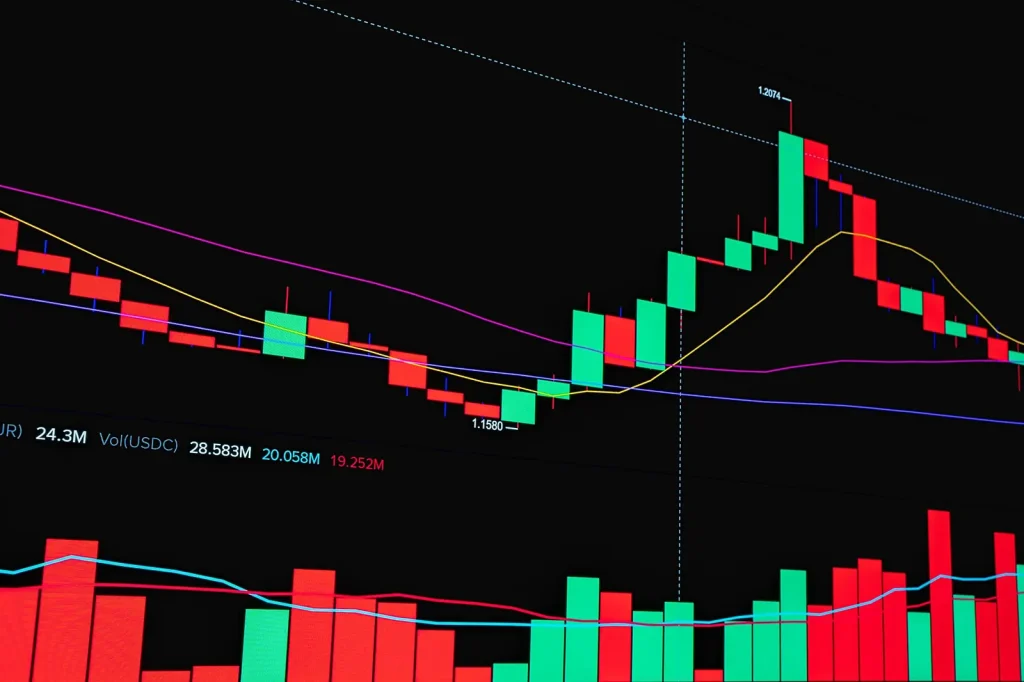
Wolfram Shortage Hits Dutch Industry, Prices Soar 900%
The wolfram shortage impacts Dutch industry, causing significant challenges for industries across the Netherlands.
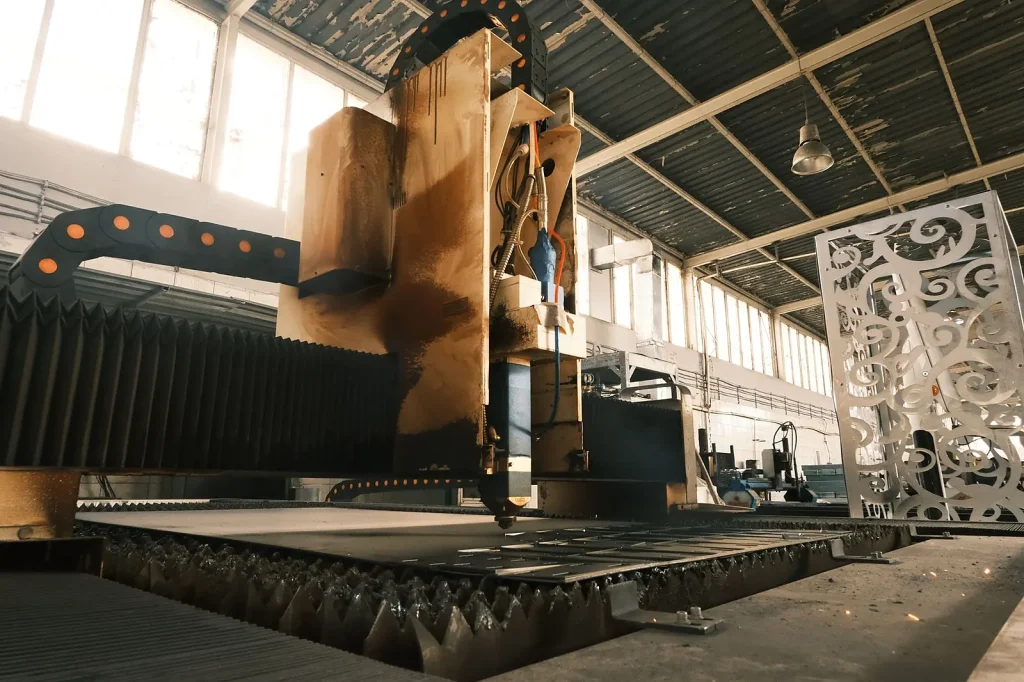
Dutch industries face challenges as wolfram prices rise ninefold due to global supply constraints.
The wolfram shortage impacts Dutch industry, causing significant challenges for industries across the Netherlands that rely on this essential metal.
Impact on Dutch Companies
Wolfram, known for its use in drilling, armoring machinery, and ammunition, is crucial for many Dutch businesses. Zwaan Metaal, a company based in Dordrecht that specializes in protective coatings, is feeling the pressure. The firm’s proactive approach reflects the urgency many businesses feel in addressing the supply issues.
Wieneke van Hal, the director of Zwaan Metaal, expressed concerns about the ongoing situation. “Our major worry isn’t just the price; it’s ensuring we can supply our clients,” she said.
Recycling Efforts Increase
The shortage has also led to a rise in recycling efforts. Companies are now more focused on sustainable practices to ensure a steady supply of wolfram.
Global Market Dynamics
The international dynamics contributing to the wolfram shortage are complex. This decision has a domino effect on European markets, where prices have skyrocketed.
These market changes are not only affecting Dutch companies but also businesses across Europe that depend on wolfram for various applications. The situation highlights the interconnectedness of global supply chains and the impact of national policies on international trade.
What Happens Next?
Looking forward, Dutch industries must adapt to these changes. Companies like Zwaan Metaal are leading the way by focusing on recycling. However, the long-term solution may require broader strategies, including securing alternative sources of wolfram and investing in innovative technologies.
The Dutch government and private sector may need to collaborate to find sustainable solutions. Encouraging more recycling and exploring new partnerships could be vital in mitigating the effects of the current shortage.
As industries continue to handle these challenges, the resilience and adaptability of Dutch businesses will be crucial in maintaining their competitive edge. The wolfram shortage serves as a reminder of the importance of strategic planning and innovative thinking in the face of global market shifts.