Netherlands heatwave triggers 37-degree warning this week
The Netherlands is bracing for a heatwave with temperatures expected to soar, prompting health warnings and advice to stay indoors.

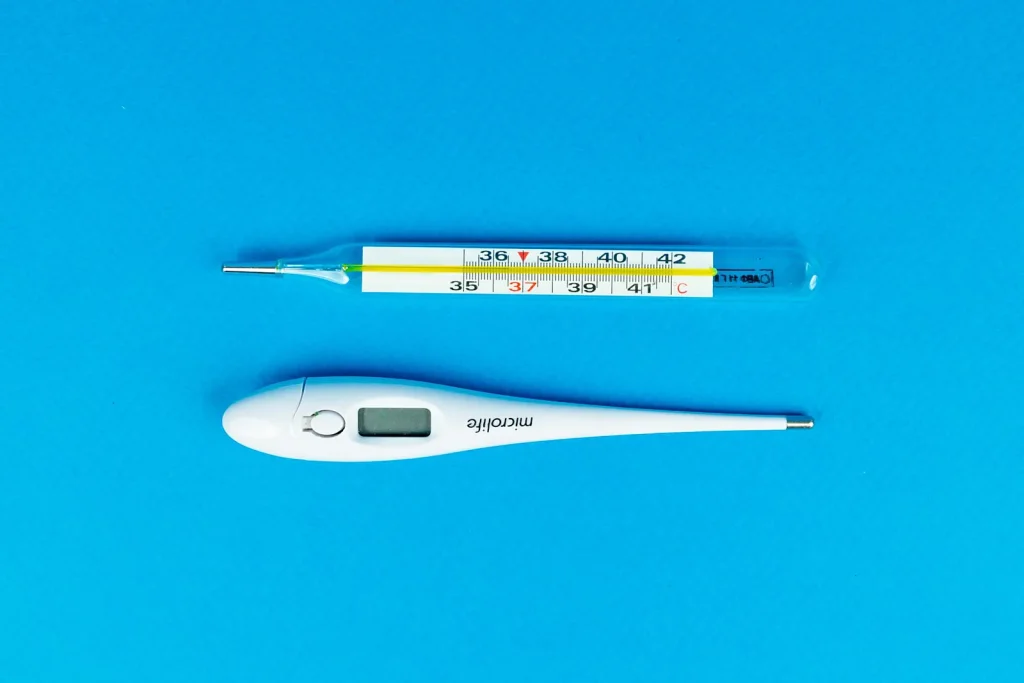
Extreme temperatures forecasted to affect daily life and health in the Netherlands.
The Netherlands is preparing for a significant heatwave, with temperatures expected to soar this week. This extreme weather event could impact daily life and pose health risks, particularly for vulnerable groups.
Heatwave Warning and Health Risks
The Koninklijk Nederlands Meteorologisch Instituut (KNMI), the Dutch meteorological institute, has issued warnings about the upcoming heatwave. The Royal Netherlands Meteorological Institute predicts that several regions will experience high temperatures, which could lead to health complications, especially for the elderly and those with pre-existing conditions.
In response, the Rijksinstituut voor Volksgezondheid en Milieu (RIVM), the Dutch public health institute, advises residents to stay hydrated, avoid strenuous activities, and remain indoors during the hottest parts of the day.
Advice for the Public
As temperatures climb, the RIVM recommends that people increase their water intake and use sun protection. Staying indoors or in shaded areas during peak heat hours can significantly reduce the risk of heat-related illnesses. This advice is crucial for those most susceptible to heat stress, including the elderly, young children, and individuals with chronic health issues.
Authorities are urging the public to take preventive measures.
Background on European Heat Trends
This heatwave is part of a broader trend of rising temperatures affecting much of Europe. Climate scientists have noted that such events are becoming more frequent and intense due to climate change. The Netherlands, with its dense population and urban heat islands, is particularly vulnerable to these phenomena.
According to the European Environment Agency, heatwaves are expected to increase in frequency and severity, impacting public health and infrastructure. The current situation serves as a reminder of the need for long-term climate adaptation strategies.
What Happens Next
Authorities will continue to monitor the situation closely, providing updates and further guidance as necessary. The RIVM’s advice includes measures to ensure that healthcare facilities are prepared for potential increases in heat-related illnesses.
Residents are encouraged to stay informed through official channels and to follow the advice provided by health authorities. As the heatwave progresses, the cooperation of the public will be vital in minimizing health risks and ensuring community safety.
For more information on how to stay safe during the heatwave, visit the RIVM website or check updates from the KNMI.