Netherlands Solar Eclipse to Obscure 90% of Sun Today
A partial solar eclipse will cover 90% of the sun in the Netherlands today. It starts at 19:15 and peaks at 20:10 local time.

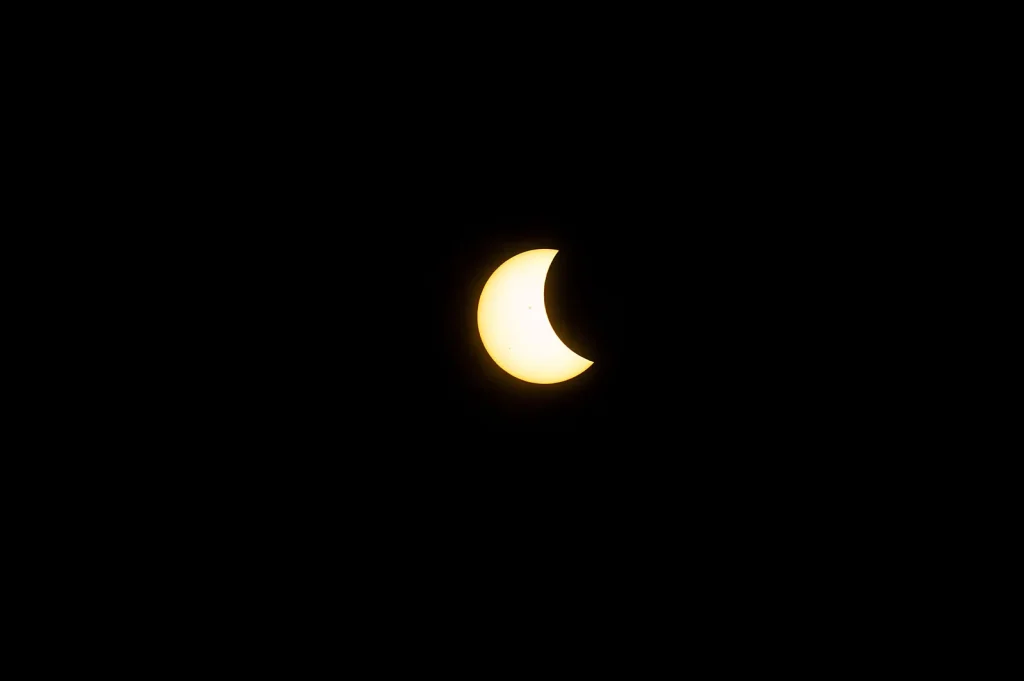
Largest solar eclipse in 27 years graces Dutch skies, reaching 90% coverage.
The Netherlands is set to witness a spectacular partial solar eclipse today, with up to 90% of the sun obscured by the moon. This marks the largest eclipse in the country since 1999. The event will commence at 19:15 local time and reach its peak at 20:10, providing a rare opportunity for residents to experience this astronomical phenomenon.
Safety Measures for Viewing
As the eclipse approaches, experts strongly emphasize the importance of using proper eye protection. Ordinary sunglasses or makeshift solutions are not adequate. Instead, residents should use ISO 12312-2 certified eclipse glasses to prevent eye damage. Eye care professionals warn that improper viewing methods can lead to serious and permanent eye injuries.
Dr. J. van der Meer, an astronomer at the University of Amsterdam, stated, “This is an extraordinary event for the Netherlands. However, it’s crucial that everyone protects their eyes. Certified glasses are essential for safe observation.”
Significance and Future Eclipses
This eclipse holds particular significance as it is the largest of its kind in the Netherlands in 27 years. The next opportunity to witness a similar eclipse will not occur until 2081, making today’s event especially noteworthy for astronomy enthusiasts and the general public alike.
The partial eclipse is part of a larger solar event visible across parts of Europe. However, the Netherlands will experience one of the highest coverages, making it a highlight for local observers. Many schools and astronomy clubs have organized viewing sessions, encouraging educational engagement with this natural wonder.
In addition to its visual spectacle, the eclipse offers a moment to reflect on the celestial mechanics that govern our solar system. It serves as a reminder of the complex dance between the Earth, moon, and sun.
Background on Solar Eclipses
A solar eclipse occurs when the moon passes between the Earth and the sun, casting a shadow over the Earth. While total eclipses completely obscure the sun, a partial eclipse like today’s leaves a portion visible, creating a dramatic crescent effect. These events have fascinated humans for centuries, often inspiring both scientific inquiry and cultural myths.
In recent years, solar eclipses have become popular public events, drawing crowds who gather to experience the awe-inspiring sight. The rarity of such occurrences adds to their allure, as many regions only see partial or total eclipses a few times in a century.
What Happens Next
For those unable to view today’s eclipse, there are other astronomical events to anticipate. The next significant solar eclipse visible in the Netherlands will occur in 2081. However, lunar eclipses and meteor showers will continue to provide opportunities for skywatchers.
For now, residents are encouraged to safely enjoy this unique event, capturing memories and perhaps sparking a lifelong interest in astronomy. Observatories and science centers across the country will likely report on the eclipse’s impact and share images captured during its peak.
As the eclipse unfolds, the Dutch skies will briefly darken, offering a serene and humbling reminder of the universe’s grandeur. Whether viewed alone or in community gatherings, this celestial event is sure to leave a lasting impression on all who witness it.
For more information on safe eclipse viewing and upcoming astronomical events, visit authoritative websites such as Rijksoverheid and KNMI.