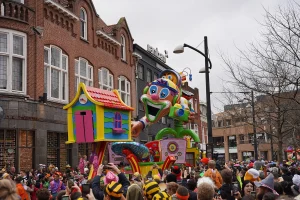
Nijmeegse Vierdaagse Considers January Shift Amid Climate Concerns
Nijmeegse Vierdaagse organizers consider a shift to combat rising summer temperatures, reflecting climate change concerns.
Published 9 July 2026 · 21:06 CET
2 min read
Organizers explore moving the iconic event to January due to rising summer temperatures, sparking debate.
The organizers of the Nijmeegse Vierdaagse, an iconic walking event in the Netherlands, are contemplating a significant change due to the increasingly high summer temperatures that have raised concerns about the safety and feasibility of the event in its traditional July slot.
The Nijmeegse Vierdaagse, held in Nijmegen, has been a staple of Dutch culture for over a century. Known for its challenging routes and festive atmosphere, it attracts thousands of participants and spectators each year. However, recent climate trends have forced organizers to rethink its timing. Meteorological data from the Koninklijk Nederlands Meteorologisch Instituut (KNMI) indicates a steady rise in summer temperatures, making the July heat potentially hazardous for participants.
Rising Temperatures Trigger Concerns
The proposal to shift the event has sparked considerable discussion among stakeholders. Organizers believe this move could mitigate the health risks posed by extreme heat. However, this potential shift has met with hesitation from city officials and local businesses, who are concerned about the logistical challenges and potential economic impact.
Local businesses, which benefit from the influx of visitors during the summer event, are also concerned about the potential loss of revenue.
Adapting to Climate Change
This discussion is part of a broader trend in the Netherlands, where traditional events are being re-evaluated in light of climate change. The potential change for the Nijmeegse Vierdaagse reflects a growing need for adaptation strategies across various sectors.
Despite the challenges, some see the proposed shift as an opportunity. A winter event could offer a unique experience, potentially attracting a different demographic and extending the tourism season in Nijmegen. it shows the importance of flexibility and innovation in preserving cultural traditions amidst changing environmental conditions.
The conversation around the Nijmeegse Vierdaagse is ongoing, with organizers planning to engage with all stakeholders to assess the feasibility of such a move. Meanwhile, they are also considering other measures to enhance participant safety, such as adjusting start times or providing additional cooling stations during the event.
As climate change continues to impact traditional events worldwide, the decisions made by the Nijmeegse Vierdaagse organizers could serve as a model for other events facing similar challenges. The need to balance cultural heritage with environmental responsibility is becoming increasingly critical.
While the proposed shift for the Nijmeegse Vierdaagse is still under consideration, it highlights the evolving landscape of cultural events in the Netherlands. The discussions reflect a broader awareness of climate change’s impact and the necessity for adaptive strategies. As the conversation progresses, the outcome could set a precedent for how traditional events adapt in a warming world.
More from the desk