Overijssel Irrigation Bans Affect 70% of Farmers Amid Drought
Overijssel faces irrigation bans due to drought, stressing the need for sustainable water management.

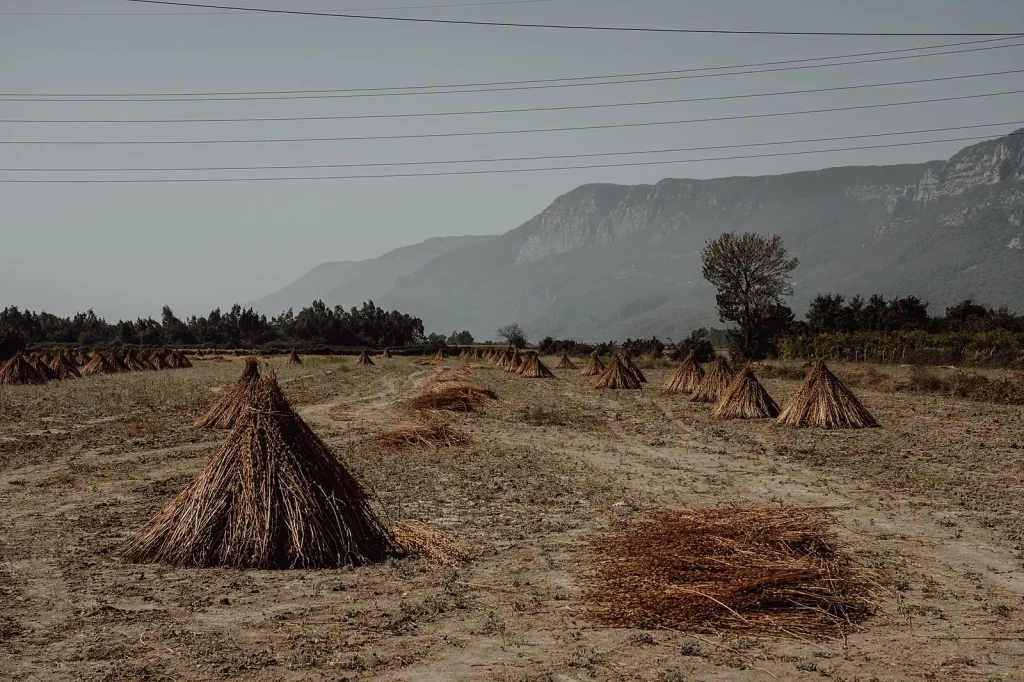
Drought leads to 70% of farmers in Overijssel facing irrigation bans, highlighting urgent water management needs.
Overijssel, a province in the eastern Netherlands, is grappling with severe drought conditions that have led to the implementation of irrigation bans. These measures aim to prevent long-term environmental damage. Farmers and other water users are urged to comply with the new regulations to help mitigate the impact on the environment.
Impact on Agriculture
The irrigation bans are seen as a critical step to preserve water resources, but they pose significant challenges for farmers in Overijssel. Many rely on water from local streams and canals for their crops. With these sources now restricted, farmers must seek alternative solutions to sustain their operations.
The agricultural sector is particularly vulnerable to water scarcity. The drought not only threatens crop yields but also livestock, as water is crucial for maintaining healthy herds. Farmers are encouraged to explore innovative methods, such as rainwater harvesting and more efficient irrigation techniques, to adapt to the changing climate.
Environmental Concerns
The decision to enforce irrigation bans stems from a broader concern about the environmental impact of prolonged drought. The low water levels in rivers and canals can lead to a decline in water quality, affecting aquatic life and biodiversity. the reduced flow can exacerbate the effects of pollution, making it harder to maintain clean water standards.
Authorities emphasize the importance of sustainable water management practices. This includes not only enforcing restrictions but also investing in infrastructure that can help capture and store rainwater more effectively. The situation in Overijssel highlights the urgent need for coordinated efforts to address water scarcity, especially as climate change continues to pose challenges worldwide.
According to the Dutch Meteorological Institute (KNMI), the region has experienced below-average rainfall for several months. Projections indicate that such conditions could become more frequent, necessitating long-term planning and investment in water management strategies.
For more information on the drought and its implications, visit the Rijksoverheid’s water management page and the KNMI’s drought explanation.