Overijssel Water Restrictions Hit Farmers and Sports Clubs
Overijssel faces new water restrictions due to ongoing drought, affecting farmers and amateur football clubs as they struggle with dry fields.

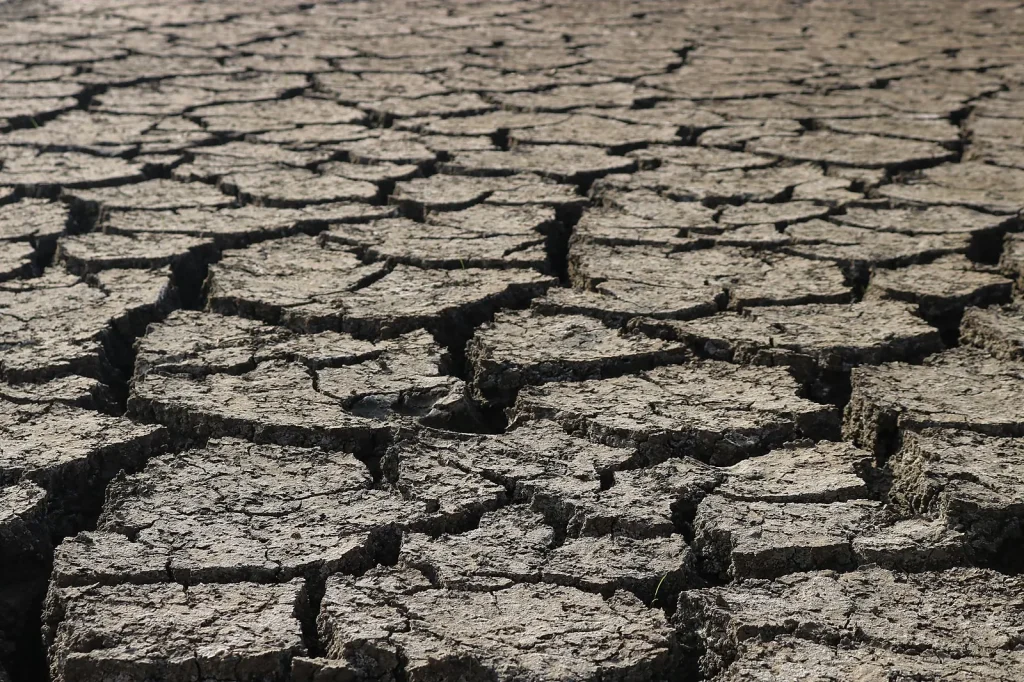
New bans on water extraction due to drought impact agriculture and sports in Overijssel.
Overijssel, a province in the eastern Netherlands, is grappling with new water restrictions as the ongoing drought continues to take its toll. Farmers in the region are now prohibited from pumping water from specific canals, a measure aimed at conserving limited water resources. This move affects areas such as Salland and the Deventer region.
These restrictions are a response to the persistent dry conditions that have plagued the Netherlands this year. The impact on agriculture is significant, with farmers unable to irrigate their fields as usual. Many are concerned about the potential damage to their crops, which could lead to reduced yields and financial strain.
Sports Clubs Face Challenges
In addition to agriculture, the new water restrictions are affecting local sports clubs. Amateur football clubs are particularly worried about the condition of their fields. As the football season kicks off, dry and hard pitches could pose safety risks for players. The Royal Dutch Football Association (KNVB) has issued guidelines to help clubs manage their fields under these challenging conditions.
However, these guidelines offer limited relief. Many clubs lack the resources to maintain their pitches without adequate water. The situation has led to growing concern about the viability of upcoming matches, with some clubs considering postponements or cancellations.
Broader Implications
The drought and resulting water restrictions in Overijssel are emblematic of a broader national issue. The Netherlands, known for its extensive water management systems, is increasingly facing challenges from climate change. The impact on agriculture and recreation shows the need for adaptive strategies to manage water resources effectively.
Local authorities are closely monitoring the situation. They are working with farmers and sports clubs to find solutions, but options remain limited. The potential for long-term damage to both crops and community sports is a pressing concern.
According to a spokesperson from the regional water authority, “These measures are necessary to preserve our water resources, but we understand the difficulties they pose for local communities.” The spokesperson emphasized the importance of community cooperation during this challenging period.
Background and Future Outlook
Water management has always been a critical issue in the Netherlands, a country with a complex network of waterways. The current drought highlights vulnerabilities in the system, prompting calls for more sustainable practices.
Experts suggest that investing in water-saving technologies and alternative irrigation methods could help mitigate future impacts. Meanwhile, communities in Overijssel and beyond are encouraged to use water sparingly and explore innovative solutions.
The situation in Overijssel serves as a reminder of the interconnectedness of climate, agriculture, and recreation. As the drought persists, the region must adapt to ensure the sustainability of its vital resources.
For more information on water management in the Netherlands, visit the Dutch government’s water management page and the KNVB website.