Prinsjesdag Budget Talks Stalled as D66, VVD, CDA Clash
Prinsjesdag budget negotiations face pressure as D66, VVD, and CDA struggle to align on taxation plans, seeking opposition support.

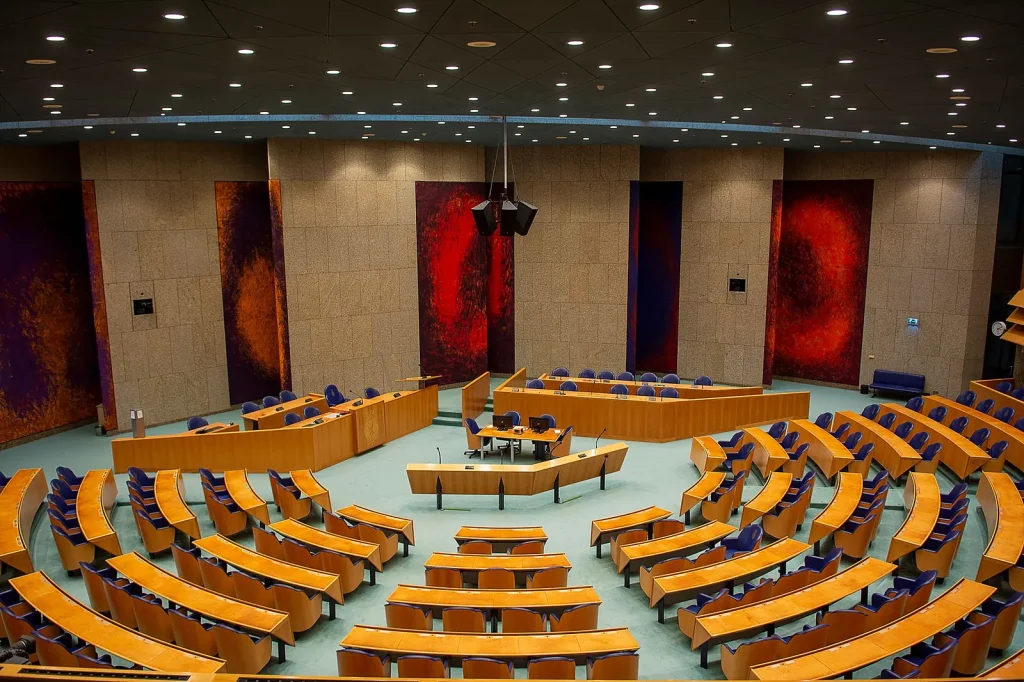
Internal disagreements among coalition parties D66, VVD, and CDA complicate the Prinsjesdag budget negotiations.
The Prinsjesdag budget negotiations are encountering significant challenges as coalition parties D66, VVD, and CDA struggle to reach a consensus on taxation plans. These internal disagreements come at a critical time, with the minority cabinet seeking to secure support from opposition parties to meet the Friday deadline.
Prinsjesdag, the annual event where the Dutch government presents its budget, holds immense importance for national financial policies and public services. This year, however, the process is fraught with tension as the coalition grapples with differing views on which citizens should bear the tax burdens. A significant point of contention involves the balance of tax relief and new levies, a matter that has divided the parties.
Coalition Divisions
The D66, VVD, and CDA parties, all part of the ruling coalition, are not aligned on the specifics of taxation. D66 has been advocating for progressive tax reforms aimed at higher income brackets, while the VVD prefers measures that stimulate business growth. The CDA, on the other hand, is pushing for a balanced approach that considers rural economic challenges.
These differences have stalled negotiations, making it difficult to present a cohesive budget plan. The lack of agreement within the coalition has left the cabinet in a precarious position, especially given its minority status. As a result, the cabinet is now seeking to engage opposition parties to ensure the budget passes.
Seeking Opposition Support
The minority cabinet’s strategy hinges on gaining backing from opposition parties. However, critics argue that the government has been slow to engage with these parties, potentially jeopardizing the chances for swift agreement. Opposition leaders have expressed frustration over what they perceive as a lack of timely outreach from the coalition.
Despite these challenges, the cabinet remains determined to finalize the budget by Friday. The urgency of the situation is shows by the need to present a united front on Prinsjesdag, ensuring that key financial policies are effectively communicated and implemented.
Background
Prinsjesdag, traditionally held on the third Tuesday of September, is a cornerstone of Dutch political life. It marks the beginning of the parliamentary year and is accompanied by the King’s Speech, outlining the government’s agenda. This year’s negotiations are particularly crucial due to economic pressures and the need for fiscal stability.
Historically, budget negotiations have been contentious, but the current political landscape adds another layer of complexity. The coalition’s minority status means that securing opposition support is not just beneficial but necessary for passing the budget.
What Happens Next?
As the deadline approaches, the coalition must intensify its efforts to bridge internal divides and secure external support. The coming days will involve intense discussions and potential compromises to ensure a workable budget plan is in place.
Observers will be watching closely to see if the coalition can overcome its differences and present a unified proposal. The outcome of these negotiations will have significant implications for national financial policies and public services in the coming year.
the Prinsjesdag budget negotiations highlight the complexities of coalition politics in the Netherlands. As the parties work to resolve their differences, the nation awaits a resolution that will shape its financial landscape for the year ahead.