Rotterdam port lawsuit demands fossil fuel halt for climate
Environmental groups have filed a lawsuit against Rotterdam Port, demanding an end to fossil fuel activities to meet climate targets.

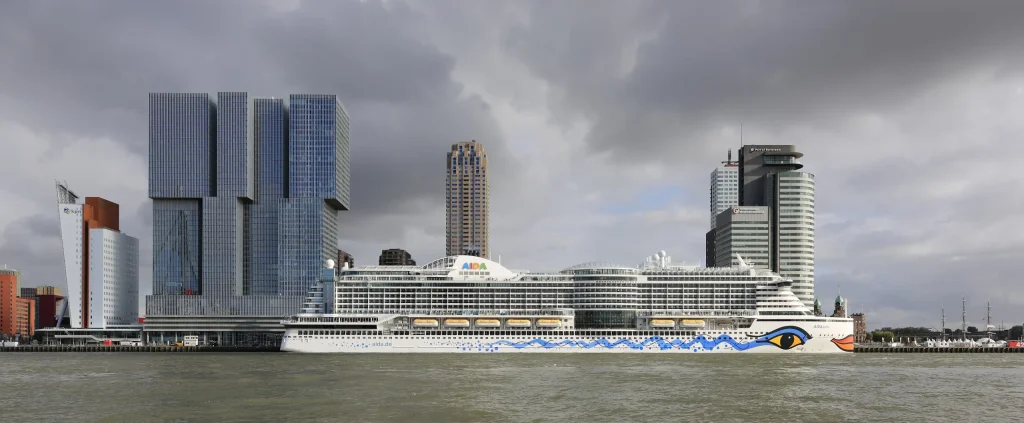
Environmental groups push for climate accountability at Rotterdam Port, Europe’s major fossil fuel hub.
Environmental groups have filed a new lawsuit against Rotterdam Port, demanding a halt to all fossil fuel activities. This action is part of a growing movement to hold major contributors to climate change accountable. As one of the largest ports in Europe, Rotterdam plays a pivotal role in the import and export of fossil fuels.
The lawsuit highlights the port’s significant environmental impact, urging immediate action to align with national climate targets. Activists argue that the port’s continued involvement in fossil fuel trade undermines efforts to combat climate change. This case follows similar legal actions aimed at enforcing climate accountability.
Environmental Groups Demand Change
The coalition of environmental organizations behind the lawsuit believes that Rotterdam Port has a responsibility to minimize its environmental footprint. They argue that halting fossil fuel activities is crucial for the Netherlands to meet its climate commitments. This legal challenge is part of a broader strategy to pressure key industries into adopting sustainable practices.
Rotterdam Port, a critical hub for fossil fuel trade, is under scrutiny. The port’s activities are seen as incompatible with the urgent need for climate action. Activists emphasize that significant changes are necessary to prevent further environmental degradation.
Rotterdam Port’s Role in Climate Accountability
As the lawsuit unfolds, the spotlight is on Rotterdam Port’s role in the global fossil fuel supply chain. The port’s strategic location and infrastructure make it a key player in the energy sector. However, its reliance on fossil fuels is increasingly viewed as a liability in the face of climate change.
Environmental groups are not the only ones calling for change. Recent studies have shown that reducing fossil fuel dependency is essential to achieving climate goals. The Netherlands has set ambitious targets to reduce greenhouse gas emissions, and activists argue that Rotterdam Port must contribute to these efforts.
Legal actions like this one are becoming more common as environmental concerns take center stage. The outcome of this case could set a precedent for other ports and industries in Europe and beyond.
For more information on climate initiatives and accountability, visit Rijksoverheid and CBS.
The legal battle is expected to unfold over the coming months, with both sides presenting arguments. The environmental groups are optimistic about their chances, citing growing public support for climate action.
Rotterdam Port, meanwhile, has yet to issue a detailed response to the lawsuit. However, industry experts suggest that the port may need to diversify its operations to align with environmental goals.
As the world grapples with the effects of climate change, the pressure on major industrial hubs like Rotterdam Port is mounting. The outcome of this lawsuit could have far-reaching implications for the future of fossil fuel trade and climate policy.