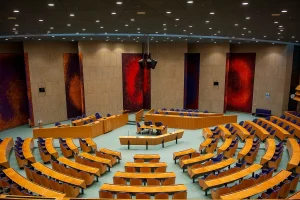
Schiphol Airport Legislation Nears Final Approval by Raad van State
Schiphol Airport legislation is close to completion, aiming to regulate noise and emissions while addressing residents' health concerns.

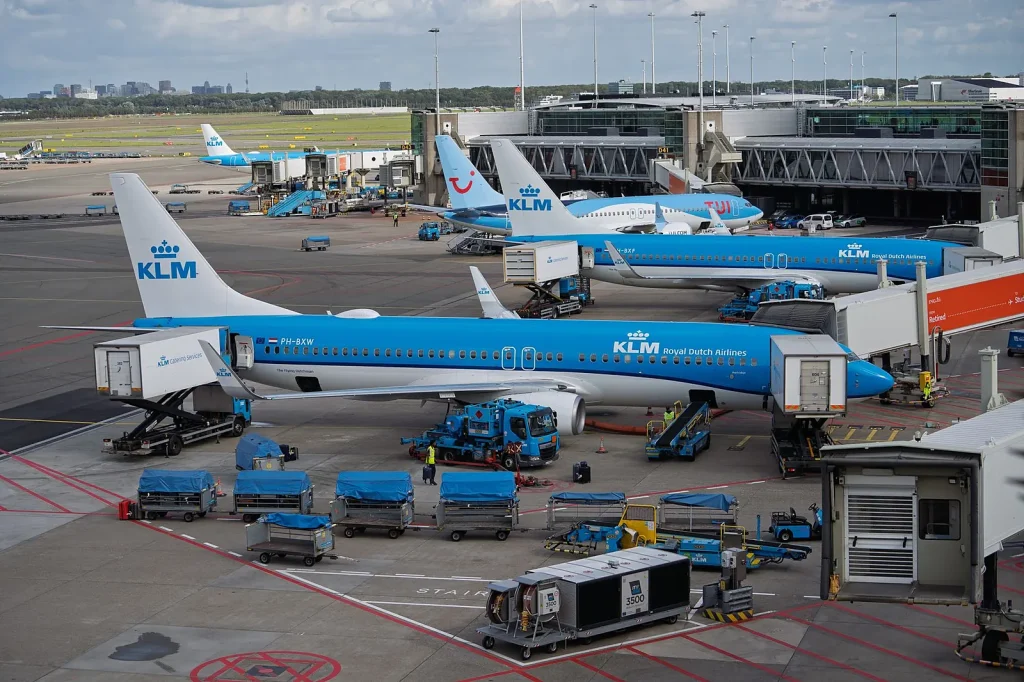
New rules aim to balance noise reduction and resident health concerns
Schiphol Airport, one of Europe’s busiest transport hubs, is on the brink of operating under new legislation designed to regulate noise and emissions. This development comes as the Raad van State, the Netherlands’ highest administrative court, reviews the proposed laws.
Regulating Noise and Emissions
The legislation is set to introduce a cap of 478,000 annual flights at Schiphol. The goal is to mitigate noise pollution and reduce emissions, which have long been a concern for residents in the surrounding areas. According to the Dutch government, these measures are essential to balance economic growth with environmental sustainability.
Despite the ongoing review, local residents and environmental groups remain apprehensive. They argue that the legislation must prioritize public health and the environment. A representative from the local residents’ association stated, “Our health and well-being should not be compromised for economic gains.”
Health Concerns and Community Impact
Residents living near Schiphol have consistently voiced concerns about the impact of noise and air pollution on their health. Studies have linked these factors to various health issues, including sleep disturbances and cardiovascular problems. The new legislation aims to address these concerns, but many believe more stringent measures are needed.
Environmental advocacy groups, such as Greenpeace, are calling for further reductions in flight numbers and stricter emission standards. They argue that the legislation, while a step in the right direction, does not go far enough to protect the environment and public health.
What This Means for People Living in the Netherlands
For residents of the Netherlands, particularly those living near Schiphol, this legislation represents a significant step toward addressing long-standing environmental and health concerns. Once enacted, the cap on flights should help reduce noise pollution, potentially improving quality of life for nearby communities.
Those affected can stay informed by following updates from the Dutch government website. Community members are encouraged to participate in public consultations to voice their concerns and suggestions. Additionally, residents should monitor air quality updates from the RIVM, the Dutch National Institute for Public Health and the Environment.
Background
Schiphol Airport has long been a point of contention between economic interests and community well-being. As a major hub, it supports thousands of jobs and contributes significantly to the Dutch economy. However, its operations have also raised environmental and health concerns due to the high volume of flights and associated emissions.
The Dutch government has been working on this legislation for several years, seeking to find a balance that satisfies both economic and environmental priorities. The involvement of the Raad van State ensures that the legal framework aligns with national laws and policies.
What Happens Next
With the Raad van State’s feedback in hand, the Dutch government is expected to finalize the legislation soon. The next steps involve addressing any remaining concerns and implementing the new rules. Authorities will need to ensure compliance with the flight cap and monitor its impact on noise and emissions.
As these changes take effect, ongoing dialogue between government officials, residents, and environmental groups will be crucial. The aim is to continue refining policies to better protect public health and the environment while maintaining Schiphol’s role as a key economic driver.