Tanja Groen investigation closes after three decades without suspect
The Tanja Groen case remains unsolved as officials close the investigation, leaving a deep impact on her family and Dutch society.

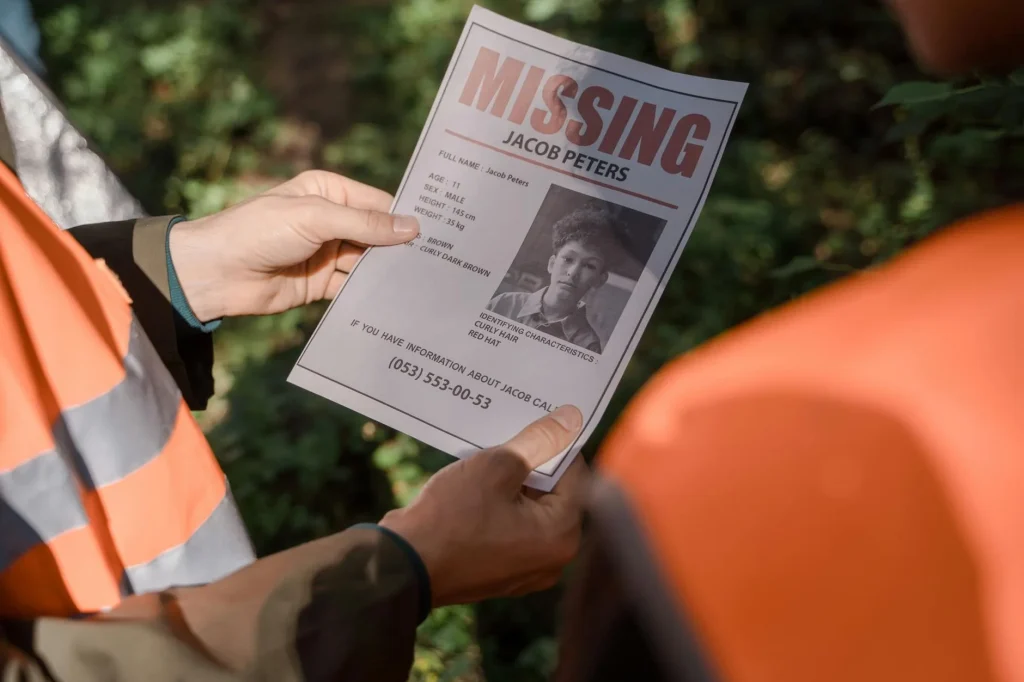
The unresolved disappearance of Tanja Groen remains a haunting mystery as officials close the investigation after 30 years.
The unresolved Tanja Groen case has taken a significant turn as officials announced the closure of the investigation into her disappearance. Tanja Groen, a student, went missing in 1993 while cycling home in Maastricht, a city in the southern Netherlands. Despite extensive searches and numerous efforts over the years, no conclusive evidence has been found to solve this poignant mystery.
Closure of the Tanja Groen Case
The decision to close the investigation comes after nearly three decades of inconclusive efforts. Recently, authorities received a tip from a Belgian prisoner claiming to have knowledge of the case. However, this lead proved to be unreliable, adding to the long list of dead ends in the search for answers.
Officials expressed profound regret over the inability to resolve the case. The closure leaves a significant impact on her family, who have endured years of uncertainty and grief. Despite the closure, the case remains a symbol of the broader challenges faced in addressing cold cases in the Netherlands.
The Impact of an Unsolved Mystery
Tanja Groen’s disappearance has left an indelible mark on Dutch society. Her case highlights the difficulties in solving cold cases, even with advancements in technology and forensic science. Over the years, extensive searches, DNA testing, and public appeals have been made, yet no trace of Groen or her belongings was ever found.
The Maastricht community, along with the entire nation, has been deeply affected by the unresolved case. It serves as a reminder of the importance of maintaining efforts to solve such mysteries, despite the passage of time.
Her family, particularly, has been vocal about their ongoing pain and the need for closure. The emotional toll of not knowing what happened to their loved one continues to weigh heavily on them.
Background of the Disappearance
Tanja Groen disappeared in the summer of 1993. She was last seen cycling home from a party in Maastricht, a city known for its vibrant student life and historic architecture. Despite the bustling environment, she vanished without a trace, leaving authorities and her family baffled.
Initial investigations focused on the areas surrounding Maastricht, but searches yielded no results. Over the years, numerous theories and potential leads emerged, yet none brought the case closer to a resolution. The enduring mystery has kept public and media attention focused on finding answers.
What Happens Next?
With the official closure of the investigation, the case of Tanja Groen may fade from the spotlight, but it will not be forgotten. Her family and the community remain hopeful that advances in technology or new information might one day provide the breakthrough needed.
The Dutch authorities have emphasized their commitment to reviewing cold cases periodically. They hope that future technological advancements may offer new opportunities to revisit unresolved cases like Groen’s.
For now, the Groen family and supporters continue to advocate for awareness and hope that other cold cases may find resolution, providing closure for families enduring similar heartbreak.
In conclusion, the closure of the Tanja Groen case underscores the challenges faced by investigators in solving cold cases. It serves as a poignant reminder of the impact such mysteries have on families and communities, and the enduring hope for answers.
For more information on cold cases in the Netherlands, visit Politie and for updates on missing persons, see the Rijksoverheid.