Twente Summer Frost Triggers Concerns with 3°C Drop
Twente experienced an unusual summer ground frost, raising concerns about agricultural impacts.

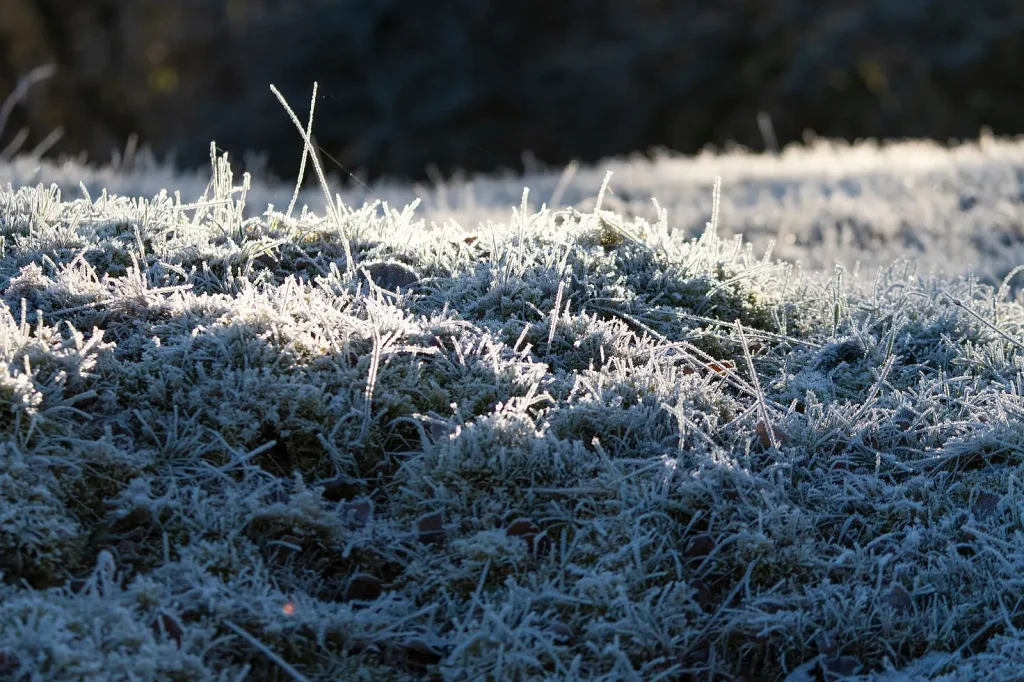
Unexpected ground frost in Twente highlights unusual weather patterns and potential agricultural impacts.
In a rare meteorological event, Twente, a region in the eastern Netherlands, experienced ground frost despite the summer season. Overnight, temperatures unexpectedly dropped, leading to frost formation on the ground. This unusual occurrence has drawn attention from meteorologists and local farmers alike.
Unusual Weather Patterns in Twente
The temperature drop in Twente is a significant deviation from typical summer conditions. The Royal Netherlands Meteorological Institute (KNMI) reported that such events are exceedingly rare in July. Typically, summer temperatures remain well above freezing, even during the night. However, on this occasion, the mercury fell sharply, causing frost to form on the region’s fields and gardens.
Experts are examining the factors that led to this anomaly. While sudden temperature drops can occur, the timing during the warmest part of the year is what makes this event noteworthy. A spokesperson from KNMI stated, “This kind of ground frost in July is highly unusual and could indicate shifts in weather patterns.”
Potential Agricultural Impacts
The unexpected frost has raised concerns among Twente’s agricultural community. Farmers are worried about potential damage to crops, particularly those sensitive to cold temperatures. Frost can harm young plants, reduce yields, and impact the overall quality of produce.
Local farmers expressed their concerns, noting that the frost “caught us off guard” and that the damage to early morning harvests could be significant. The agricultural sector, already dealing with unpredictable weather, might need to adapt to these new challenges by exploring more resilient crop varieties or adjusting planting schedules.
While the full impact of this frost is still being assessed, it highlights the importance of preparedness in agriculture. Farmers may need to consider protective measures, such as using frost cloths or other technologies, to safeguard their crops in the future.
Broader Implications for Climate Understanding
This unusual frost event in Twente shows the variability and unpredictability of weather patterns. As scientists continue to study these changes, they may provide insights into broader climatic trends affecting the region. Understanding such anomalies is crucial for developing strategies to mitigate potential negative impacts on agriculture and the environment.
The occurrence of summer frost serves as a reminder of the need for ongoing research and monitoring. It is vital for both meteorologists and the agricultural sector to collaborate in understanding these patterns and preparing for future events.
For more information on weather patterns and forecasts, visit the KNMI website. For agricultural advice and resources, the Dutch government’s agriculture page offers valuable insights.