Twentekanaal Closure Over Drought Halts Shipping Operations
Twentekanaal closed due to drought, halting shipping and prohibiting water extraction. Highlights climate impact on Dutch waterways.

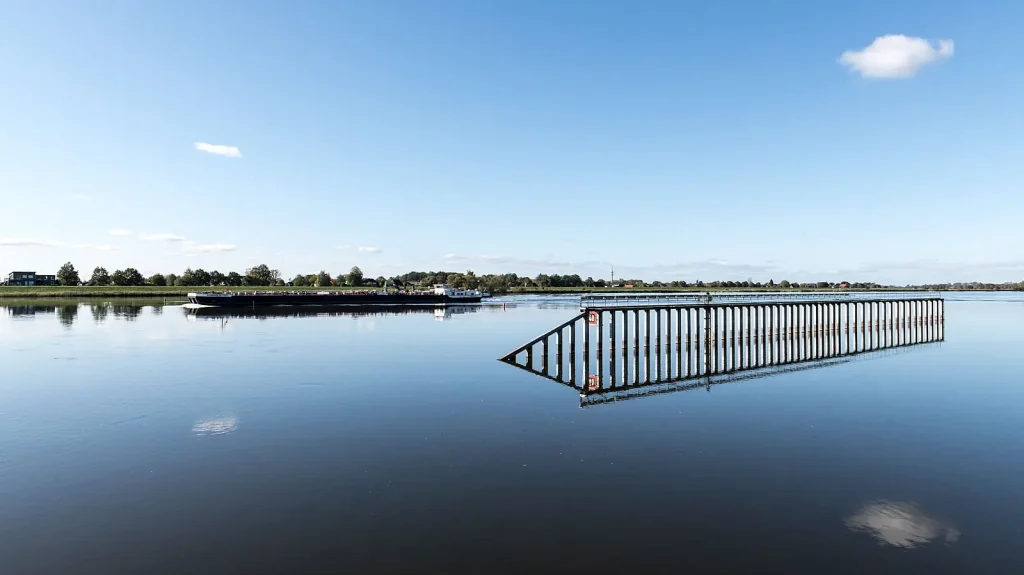
Persistent drought forces Twentekanaal closure, impacting shipping and agriculture in the Netherlands.
The Twentekanaal, a vital waterway in the eastern Netherlands, is set to close due to ongoing drought conditions. This decision shows the increasing challenges posed by climate change to the region’s transportation and agricultural sectors.
Impact of Twentekanaal Closure
The closure of the Twentekanaal will significantly affect shipping operations. The canal serves as a crucial route for transporting goods across the eastern provinces. Authorities, concerned about the prolonged drought, have opted to close the sluices at Eefde, a village in the province of Gelderland. This move aims to prevent damage to the canal’s water barriers, bed, and surrounding natural environments.
As part of the new measures, water extraction from the Twentekanaal for irrigation purposes is now prohibited. This step is intended to conserve the remaining water levels and protect local ecosystems. The ban on water withdrawal highlights the severity of the current drought and its impact on agriculture.
Challenges in Water Management
The decision to close the Twentekanaal reflects broader challenges in water management that the Netherlands faces due to climate change. Despite previous efforts to stabilize water levels, authorities found these measures insufficient. The persistent drought has forced a more stringent approach to ensure the integrity of both natural and manmade structures.
Rijkswaterstaat, the agency responsible for Dutch roads and waterways, has been actively monitoring the situation. They have stressed the importance of maintaining water levels to prevent long-term damage. According to a spokesperson, “The closure is essential to protect vital infrastructure and natural habitats.”
The drought has not only affected the Twentekanaal but also other waterways across the country. With climate change expected to increase the frequency and intensity of such events, the Netherlands must adapt its water management strategies.
Why This Matters for the Netherlands
The closure of the Twentekanaal is a stark reminder of the real-world impacts of climate change on the Netherlands. As a country with a significant portion of its land below sea level, effective water management is crucial. The current situation highlights the urgent need for sustainable solutions to cope with changing weather patterns.
In addition to shipping, agriculture in the region is likely to suffer due to the ban on water extraction. Farmers rely on the canal for irrigation, and the lack of water could lead to reduced crop yields. This scenario poses economic challenges and raises concerns about food security.
The Dutch government and local authorities are urged to invest in innovative water management technologies. By doing so, they can mitigate the effects of future droughts and safeguard both infrastructure and agricultural productivity.
Looking Ahead
As the Twentekanaal closure takes effect, the focus shifts to finding long-term solutions. Authorities are expected to explore alternative water sources and improve existing infrastructure to handle extreme weather conditions. Collaboration between government agencies, scientists, and local communities will be key to developing resilient water management practices.
The current situation serves as a wake-up call for the Netherlands to prioritize climate adaptation measures. As the nation grapples with the realities of climate change, proactive steps are essential to protect its waterways, economy, and way of life.
For more information on water management strategies, visit Rijkswaterstaat and KNMI.