Veluwe Air Quality Study by Zeppelin at 300 Meters Begins
A Zeppelin is measuring air quality over Veluwe at 300 meters. Wageningen University leads the project.

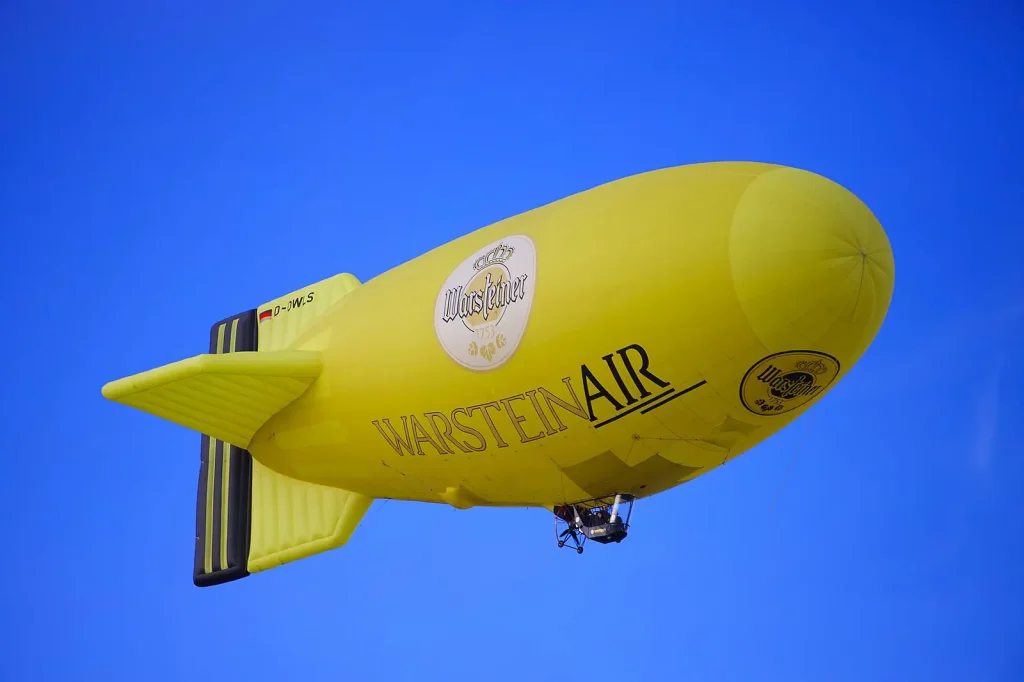
A Zeppelin flies at 300 meters to gather air quality data in Veluwe, aiding future policies.
A unique air quality measurement project is currently underway in the Netherlands. A Zeppelin, flying at a low altitude of 300 meters, is collecting data over the Veluwe region. This initiative, led by researchers from Wageningen University, aims to provide a detailed understanding of air pollution levels in the area.
Zeppelin’s Role in Air Quality Measurement
The Zeppelin is equipped with advanced instruments designed to measure various pollutants, including CO2 and particulate matter. The aircraft’s low flight path allows for precise data collection.
Wageningen University, known for its research in environmental sciences, is ensuring the success of this project. The data collected by the Zeppelin is expected to play a crucial role in shaping future environmental policies in the Netherlands.
Impact on Environmental Policies
The detailed data gathered from this mission is anticipated to influence future environmental strategies. By understanding the specific levels and sources of pollution, policymakers can create more targeted and effective regulations. This project highlights the importance of innovative approaches in addressing environmental challenges.
Background of the Project
The concept of using a Zeppelin for air quality measurement is relatively novel. The aircraft’s capacity to hover at low altitudes and cover expansive areas makes it an excellent tool for environmental monitoring.
Wageningen University’s involvement ensures that the project is grounded in scientific expertise. Their experience in environmental research provides a solid foundation for interpreting the data collected and understanding its implications.
What Happens Next?
As the Zeppelin continues its mission over Veluwe, the next steps involve analyzing the collected data. Researchers will focus on identifying pollution hotspots and understanding the factors contributing to air quality issues. The findings will be shared with policymakers, potentially leading to new regulations aimed at improving air quality in the region.
The ongoing efforts to measure and analyze air quality in Veluwe represent a significant step forward in environmental science. With the potential to shape future policies, the project serves as a reminder of the importance of research and innovation in addressing pressing global challenges.
For more detailed information, visit the Rijksoverheid website or learn about air quality monitoring on the KNMI site.