High-Speed Cycle Route Between Utrecht and Amsterdam Progresses
The high-speed cycle route between Utrecht and Amsterdam is progressing, aiming to promote sustainable transport.

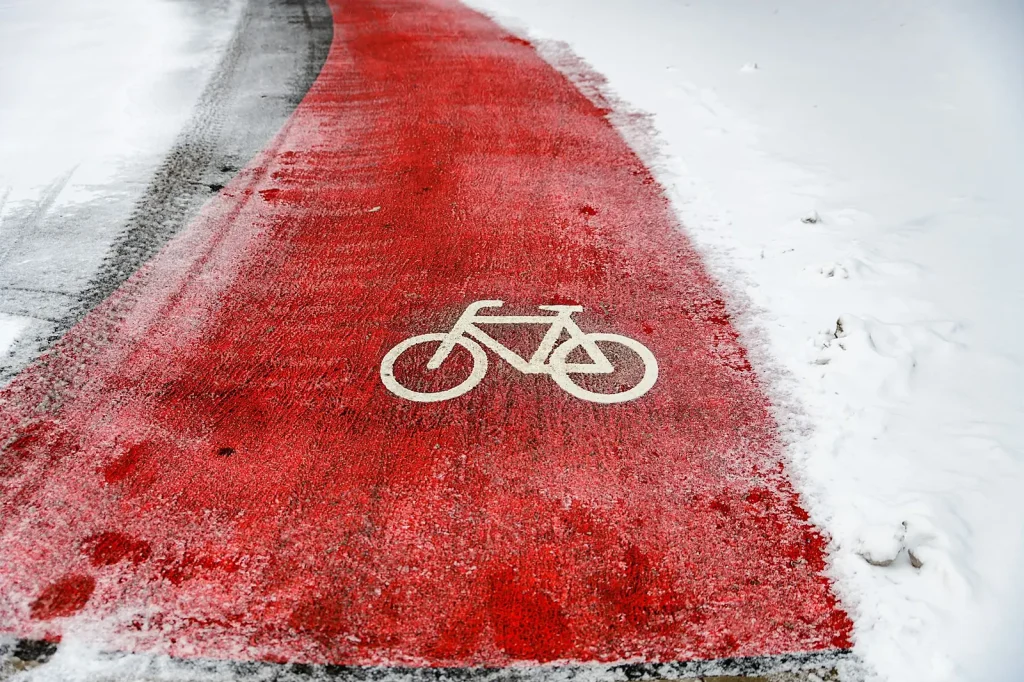
A 40-kilometer cycling path aims to enhance sustainable travel, costing 57 million euros.
The high-speed cycle route connecting Utrecht and Amsterdam is making significant progress, with an agreement reached between the province of Utrecht, the Amsterdam Transport Region, and four municipalities. Known as ‘Van Dom tot Dam’, this 40-kilometer path aims to provide a fast and comfortable alternative for cyclists traveling between the two major Dutch cities.
Project Details and Costs
The project is now closer to realization. It is projected to cost at least 57 million euros, with construction scheduled to begin in 2028. The route is expected to benefit cyclists and serve new residential areas along the way.
The high-speed cycle route is designed to enhance sustainable transport and connectivity. By providing a viable alternative to car travel, it supports the Netherlands‘ commitment to reducing carbon emissions. The route is part of a broader initiative to encourage cycling as a primary mode of transportation.
What this means for people living in the Netherlands
For residents of Utrecht and Amsterdam, the cycle route offers an efficient and eco-friendly commuting option. Cyclists can expect a dedicated path that minimizes travel time and enhances safety. The project also promises to reduce congestion on existing roads and public transport systems.
Those interested in the project or planning to use the route can follow updates on rijksoverheid.nl. Further details about construction timelines and access points will be provided as the project progresses.
Background
The idea of a high-speed cycle route between Utrecht and Amsterdam has been in the pipeline for many years. The Netherlands is known for its extensive cycling infrastructure, and this project aligns with national goals to promote cycling as a sustainable transport option. Over the years, various stakeholders, including local governments and transport authorities, have collaborated to bring this vision to life.
By connecting two of the country’s most significant urban centers, the route is expected to enhance economic ties and facilitate easier access to employment opportunities, educational institutions, and cultural attractions.
What happens next
With the agreement in place, detailed planning and design phases will begin. Environmental assessments and public consultations are expected to take place, ensuring that the project meets local needs and regulatory standards. Construction is set to commence in 2028, with completion anticipated within a few years thereafter.
The high-speed cycle route represents a significant step forward in sustainable urban planning. It reflects the Netherlands’ ongoing commitment to promoting cycling and reducing reliance on motor vehicles. As the project develops, it will likely serve as a model for similar initiatives in other regions.
For more information about cycling initiatives in the Netherlands, visit the official government website at rijksoverheid.nl.