Venezuelan Hague visit: Rodríguez rejects court’s authority
Venezuelan interim-president Delcy Rodríguez's visit to The Hague highlights the ongoing border dispute with Guyana and the role of The Hague in global justice.

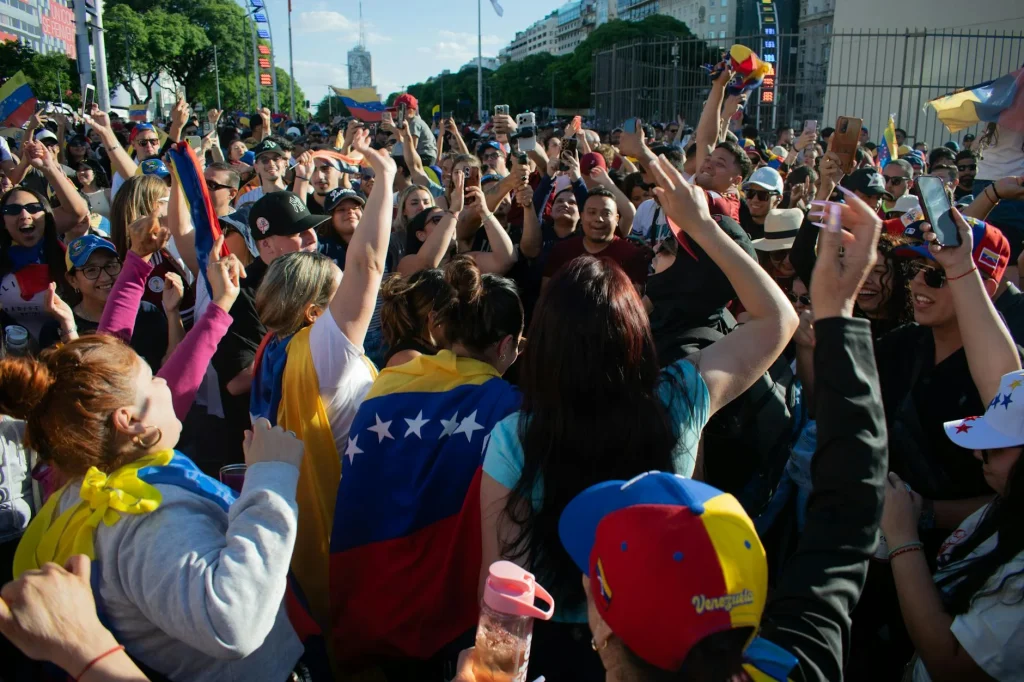
Rodríguez’s visit to The Hague focuses on the Essequibo dispute with Guyana, emphasizing international legal tensions.
The Venezuelan Hague visit by interim-president Delcy Rodríguez has brought renewed attention to the ongoing border dispute with Guyana over the Essequibo region. The visit underscores the international tensions surrounding the resource-rich area and highlights The Hague’s critical role in global judicial matters.
During her visit, Rodríguez made a bold statement by declaring Venezuela’s non-recognition of the International Court’s authority. This stance is rooted in a historical disagreement over land demarcation dating back to an 1899 arbitration. The disputed Essequibo region, rich in natural resources, has been at the center of this legal contention, especially after significant oil discoveries in 2015.
The Significance of the Venezuelan Hague Visit
The Hague, known as the world’s legal capital, serves as a crucial platform for resolving international disputes. Rodríguez’s visit highlights the ongoing geopolitical tensions and the complexities involved in such international legal battles. The Essequibo region, claimed by Venezuela but currently administered by Guyana, has been a point of contention for decades.
The discovery of substantial oil reserves in 2015 intensified the conflict. As both nations vie for control over the lucrative region, the dispute has drawn international attention. The Venezuelan leadership’s refusal to accept the court’s authority reflects a broader strategy to assert sovereignty over the contested land.
Background and Historical Context
The border dispute dates back to the 19th century, with the 1899 arbitration initially intended to settle the territorial claims. However, Venezuela has long contested the decision, arguing that it was unjust. The recent discoveries of oil have only heightened the stakes, as both countries see the region as vital to their economic futures.
The International Court in The Hague plays a pivotal role in mediating such disputes. Despite Venezuela’s rejection of its authority, the court remains a critical venue for international legal proceedings. The visit by Rodríguez further emphasizes the importance of The Hague in upholding international law and seeking peaceful resolutions.
Rodríguez’s visit also underscores the broader geopolitical dynamics at play. As global powers monitor the situation, the outcome of this dispute could have significant implications for regional stability and international law.
What Happens Next?
The Venezuelan leadership’s stance presents challenges for future negotiations. As the dispute continues, diplomatic efforts will be crucial in finding a resolution. The international community, including organizations and neighboring countries, may play a role in mediating and supporting peaceful dialogue.
In the meantime, The Hague remains a focal point for international justice. The city’s reputation as a hub for legal affairs underscores the importance of adhering to international norms and processes. While Venezuela’s rejection of the court’s authority complicates matters, the pursuit of a peaceful solution remains paramount.
The Venezuelan Hague visit by Delcy Rodríguez serves as a reminder of the ongoing complexities in international relations. As the world watches, the outcome of this dispute will likely influence future geopolitical strategies and the role of international courts in resolving conflicts.