Wolf poaching in Netherlands: 41 deaths threaten conservation
Wolf poaching in the Netherlands has resulted in 41 deaths, threatening conservation efforts. The species is legally protected.

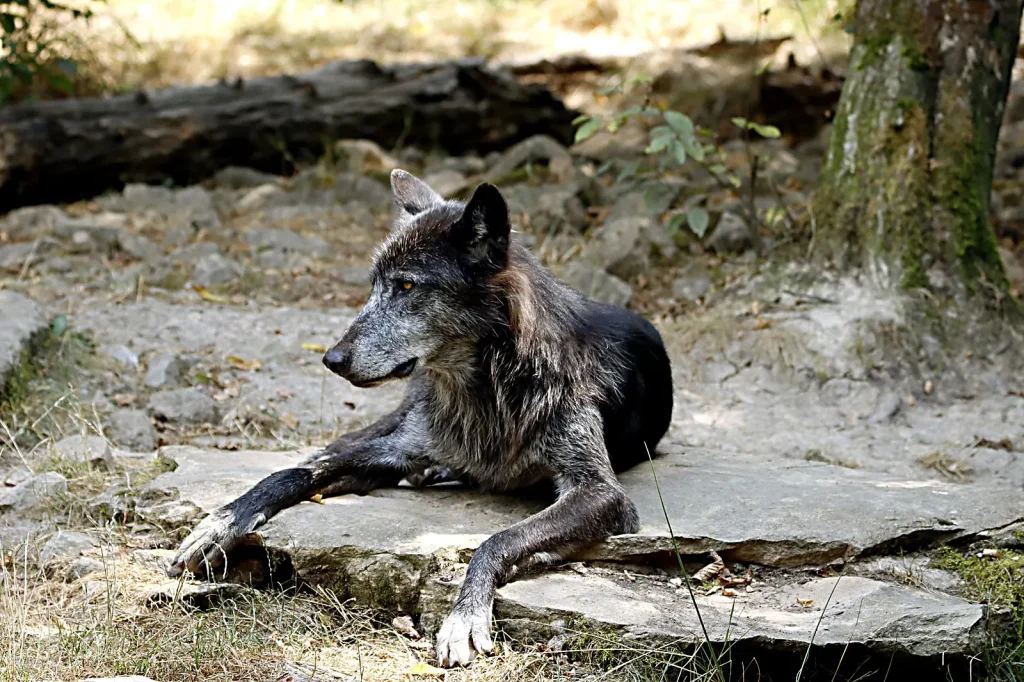
Illegal poaching threatens the protected wolf population, sparking urgent calls for action.
Wolf poaching in the Netherlands has become a significant concern, with 41 wolves reportedly killed in recent incidents. These deaths, attributed to systematic poaching, threaten the existence of a species that is legally protected under Dutch law.
Impact of Wolf Poaching
The wolves, whose presence in the Netherlands has been a subject of both fascination and controversy, are crucial for maintaining ecological balance. The systematic nature of their deaths has raised alarm among conservationists and environmental groups. They argue that this illegal activity poses a severe threat to biodiversity.
Environmental organizations have been vocal about the need for immediate action. “The increasing number of wolf deaths due to poaching is alarming,” said a spokesperson for the Dutch Wildlife Protection Agency. “It is imperative that we strengthen enforcement measures to protect this essential part of our ecosystem.”
Legal Protections and Challenges
Under Dutch law, wolves are a protected species. The legislation aims to preserve their population and ensure their role in the ecosystem is maintained. However, the recent poaching incidents suggest that these laws are not being effectively enforced.
Authorities are now under pressure to investigate these illegal activities thoroughly. The Dutch government, through agencies like the AIVD, is being urged to take stricter measures against poachers. Environmentalists emphasize that without strong enforcement, the laws protecting wolves are merely symbolic.
The poaching has also sparked debates about the effectiveness of current wildlife conservation strategies. Many argue that more comprehensive measures are needed to prevent illegal hunting and protect endangered species.
Background on Wolves in the Netherlands
Wolves returned to the Netherlands in 2015 after more than a century of absence. Their comeback was hailed as a success for wildlife conservation. However, their presence has not been without challenges. Conflicts with livestock farmers and fears among local communities have often made headlines.
Despite these challenges, wolves play a vital role in the ecosystem by controlling the population of other species, thus maintaining a natural balance. Their protection is not only a legal requirement but also an ecological necessity.
What Happens Next?
The Dutch government is expected to respond to the growing calls for action from environmental groups. This includes potentially increasing resources for monitoring and enforcement, as well as launching public awareness campaigns to highlight the importance of protecting wolves.
Experts suggest that collaboration with local communities, especially farmers, could be key in addressing the root causes of poaching. By fostering a better understanding of the ecological benefits of wolves, authorities hope to reduce conflicts and encourage coexistence.
As the investigation continues, the public is encouraged to report any suspicious activities related to wildlife poaching. This collective effort is seen as crucial in safeguarding the Netherlands’ biodiversity and ensuring the survival of its protected species.
For more information on wildlife protection laws, visit the Dutch government’s official website. To report illegal activities, contact local authorities.