Zuidplaspolder building plans trigger water safety fears
Building plans in Zuidplaspolder, near Gouda, raise concerns about water safety and climate resilience as the site is 6 meters below sea level.

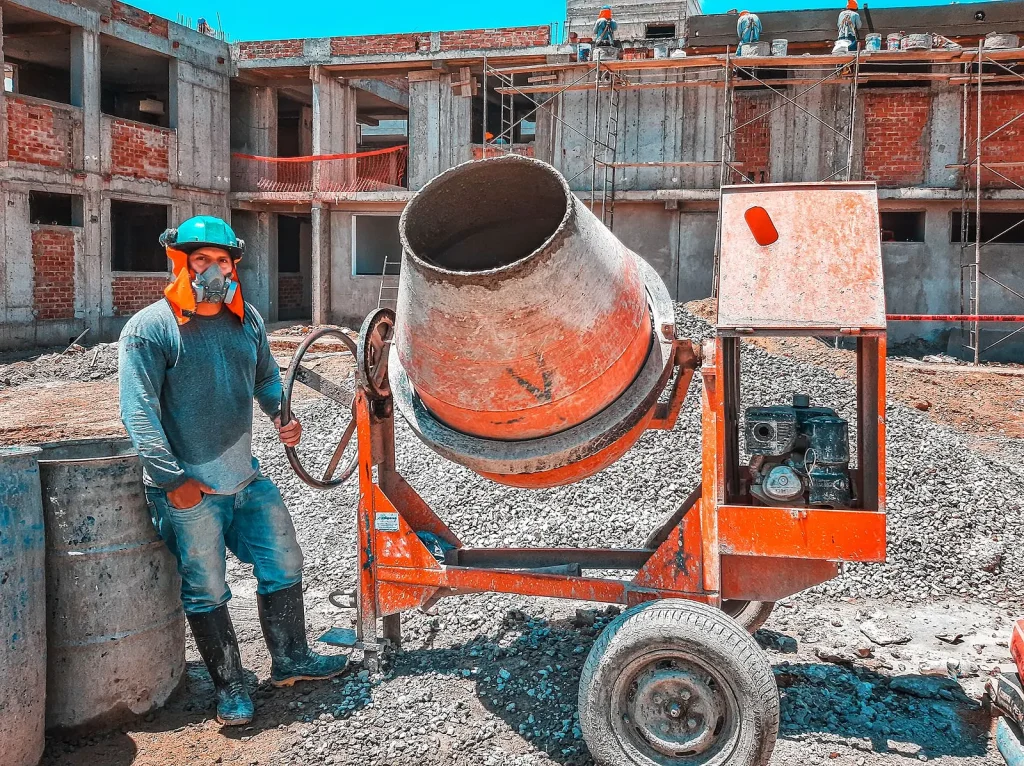
Plans to build in Zuidplaspolder, 6 meters below sea level, spark debates on water safety and climate resilience.
Plans to construct a new village in Zuidplaspolder, near Gouda, have ignited debates over water safety and climate resilience. The proposed development site is situated at the lowest point in the Netherlands, approximately six meters below sea level. This has led to significant concerns about the potential risks of flooding and soil instability.
Water Safety and Climate Resilience
The municipality of Zuidplas and the local water board have been at odds over the project. The region’s water safety measures and ability to withstand climate change have been under scrutiny. Experts argue that while construction is technically feasible, the environmental factors must be carefully considered. The risk of flooding remains a prominent concern, requiring innovative solutions to ensure the safety and resilience of the future village.
Legal and Environmental Challenges
The legal battle between the Zuidplas municipality and the water board has been intense. Both parties were concerned about the implications of building in such a vulnerable location. The settlement reached after the dispute shows the need for a comprehensive approach to address water management and climate adaptation.
In fact, the development of Zuidplaspolder is seen as a test case for sustainable building practices in low-lying areas. The project could set a precedent for future developments in similar regions.
Meanwhile, local residents and environmental groups have voiced their concerns. They argue that the potential benefits of the new village must be weighed against the risks to the environment and the community.
According to the Rijkswaterstaat, the agency responsible for Dutch roads and waterways, the project’s success depends heavily on integrating advanced water management techniques. This includes creating effective drainage systems and reinforcing existing dykes.
Background and Future Steps
The Zuidplaspolder area has long been considered for development due to its proximity to major cities like Rotterdam and The Hague. However, its low elevation and the associated risks have made it a contentious choice.
As the Netherlands continues to grapple with the impacts of climate change, the need for innovative solutions in construction and water management becomes even more pressing. The Zuidplaspolder project is poised to play a crucial role in shaping future policies and strategies.
Looking ahead, the municipality of Zuidplas plans to work closely with environmental experts and engineers to ensure the project’s viability. The outcome of this development could influence similar projects across the country.
while the plans to build in Zuidplaspolder have moved forward, they remain under close observation. The project serves as a reminder of the delicate balance between development and environmental preservation in the Netherlands.
For more information on Dutch water management strategies, visit the Rijkswaterstaat website. To learn more about climate adaptation efforts, see the rijksoverheid’s climate policy pages.