Farming Proximity Restrictions Threaten Dutch Agricultural Livelihoods
Farming proximity restrictions in the Netherlands threaten agricultural livelihoods as new environmental policies limit activities near protected areas.
Published 28 June 2026 · 12:05 CET
2 min read
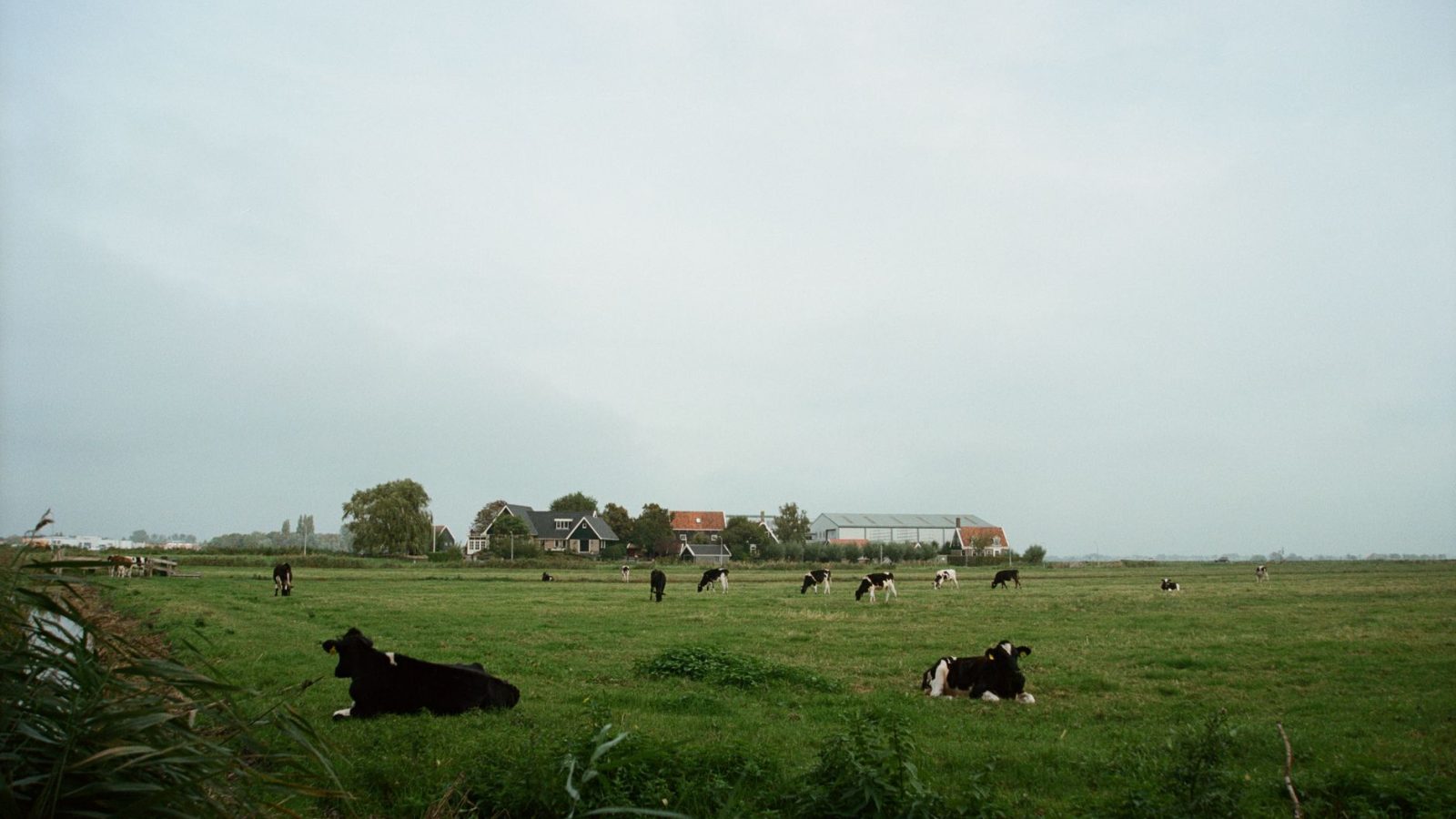
New rules limit farming near protected areas, sparking debate over environmental and agricultural needs.
In the Netherlands, new environmental policies are placing significant pressure on farmers. These regulations, aimed at reducing nitrogen emissions, restrict agricultural activities within specific distances from protected natural areas. As a result, a heated debate has emerged between environmental advocates and the farming community.
Impact of Proximity Restrictions
The new policies affect farms located near protected areas, such as Natura 2000 sites. These farms face stringent restrictions to curb nitrogen emissions, which are considered harmful to biodiversity. The Dutch government’s move is part of a broader effort to address environmental concerns. However, it is causing distress among farmers who fear for their livelihoods.
Many farmers argue that these restrictions threaten their ability to sustain their operations. On the other hand, environmentalists argue that such measures are necessary to preserve the natural landscape and biodiversity. The balance between these competing interests is proving to be challenging.
Debate Over Environmental and Agricultural Needs
This debate is not just about environmental protection versus agricultural livelihood. It involves complex considerations of economic stability, food security, and rural development. Farmers are concerned that the restrictions could lead to a decline in agricultural productivity, impacting the food supply chain.
According to a spokesperson from LTO Nederland, the Dutch farmers’ union, “The new policies are putting immense pressure on farmers who are already struggling with rising costs and market fluctuations.” The union is calling for a more balanced approach that takes into account the economic realities faced by farmers.
Policymakers are faced with the daunting task of finding a solution that addresses environmental concerns while also supporting the agricultural sector. The Dutch government is exploring potential compromises, including financial support for affected farmers and investments in sustainable farming practices.
As the debate continues, it highlights the broader challenge of balancing ecological preservation with economic needs in a densely populated country like the Netherlands.
Background
The Netherlands has long been a leader in sustainable agriculture, yet it also faces significant environmental challenges. The country’s intensive farming practices have contributed to high nitrogen emissions. This has led to tensions between the need to maintain agricultural productivity and the imperative to protect the environment.
The current policies are part of a series of measures aimed at reducing nitrogen emissions by 50% by 2030. These measures are seen as crucial to meeting international environmental commitments.
What Happens Next?
The future of Dutch agriculture will likely depend on how effectively policymakers can mediate this conflict. There is potential for innovative solutions, such as precision farming and technological advancements, to reduce emissions while maintaining productivity.
In the meantime, farmers and environmentalists are encouraged to engage in dialogue to find common ground. It is clear that any sustainable solution will require collaboration and compromise from all stakeholders.
The outcome of this debate will not only affect the Netherlands but could also set a precedent for other countries facing similar challenges. As the world grapples with environmental issues, the Dutch approach may offer valuable insights into how to balance these competing needs.

More from the desk