
NS Market Position Breach Threatens EU Rail Compliance
The Netherlands may breach EU train rules due to NS's dominant market position, raising concerns over fair competition.
Published 29 June 2026 · 21:04 CET
3 min read
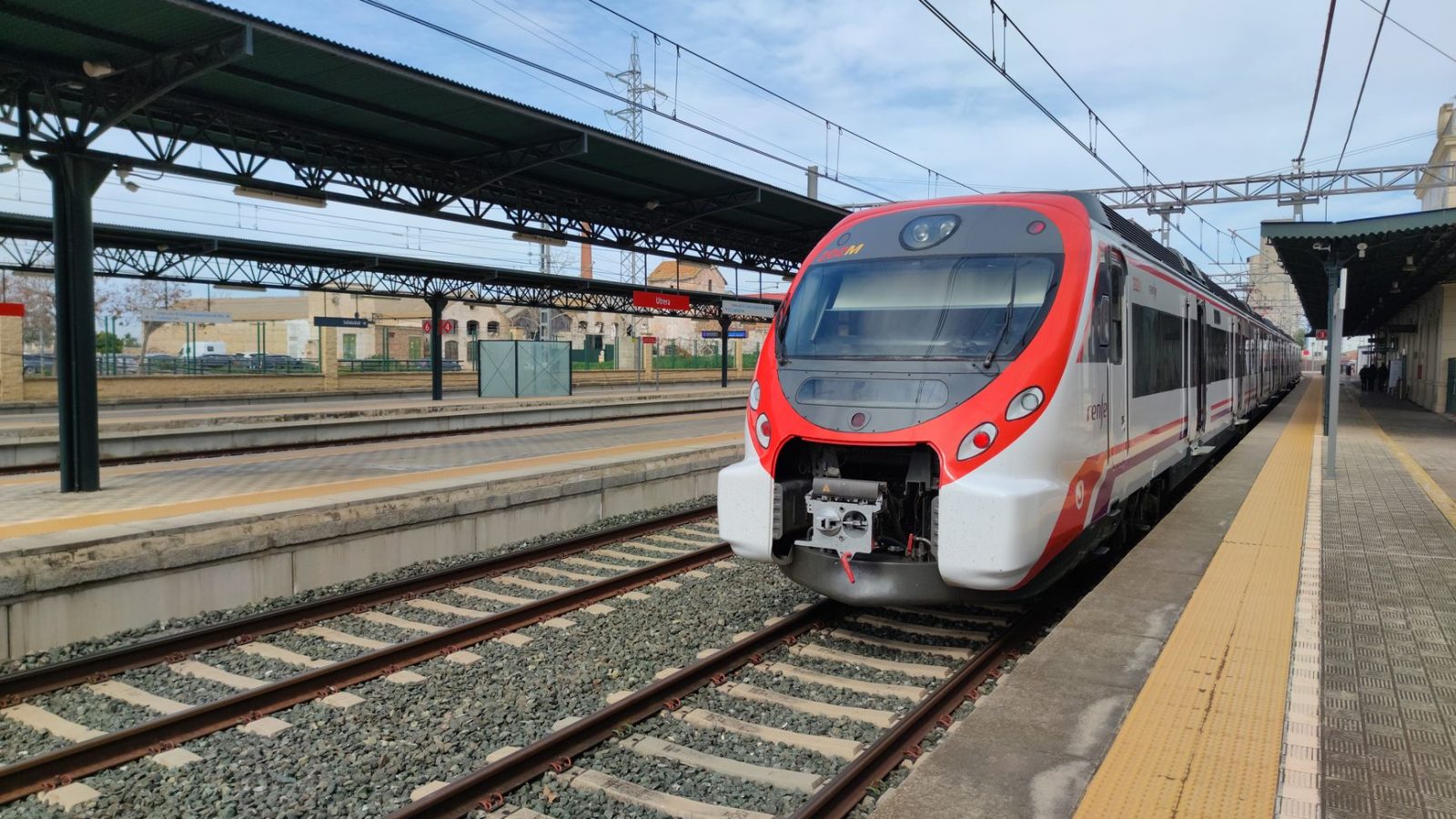
The Netherlands risks breaching EU train rules as NS’s dominant position challenges fair competition.
The Netherlands faces potential scrutiny over its adherence to European train regulations due to NS, the Dutch national rail operator, holding a dominant market position. This situation raises significant concerns about compliance with European Union (EU) directives that require open competition in the rail sector.
NS’s Dominant Market Position
NS currently holds a significant share of the Dutch rail market, which may infringe on EU guidelines designed to ensure fair competition. These regulations aim to create a level playing field, allowing different operators to provide services and improve quality and efficiency for consumers. The concern is that NS’s dominance could limit these opportunities, affecting service options and pricing.
The European Commission has been clear in its expectations for member states to adhere to these rules. A breach could lead to sanctions or demands for structural changes in the Dutch rail market. This is not the first time the EU has examined national practices to ensure compliance with its competition regulations.
Implications for the Rail Sector
The potential breach by the Netherlands could have broader implications for the rail sector across Europe. If NS is found to be in violation, it may set a precedent for other countries with similar market structures. This could drive more stringent oversight and enforcement of EU rules to maintain fair competition.
Concerns have been raised not only about market fairness but also about the potential impact on service quality and innovation. Without open competition, there is a risk that monopolistic practices could stifle progress and lead to higher prices for consumers. The European Commission has emphasized the importance of competition as a means to drive industry improvements.
Jan de Vries, an EU competition expert, stated, “The EU’s regulations are designed to protect consumers by fostering competition. If NS’s market position is unchecked, it could undermine these efforts.” His comments highlight the need for vigilance in maintaining competitive practices.
The situation also brings attention to the role of national governments in regulating their domestic markets. The Dutch government may face pressure to implement measures ensuring compliance with EU rules, which could involve restructuring NS’s operations or introducing new competitors.
Background
European train regulations have long aimed to dismantle monopolies and encourage competition. The EU’s Fourth Railway Package, in particular, mandates open access for new operators, aiming to introduce competitive dynamics into national markets. This framework is essential for creating a single European rail area where services can operate across borders without hindrance.
The Netherlands has historically been a strong proponent of EU integration and compliance. However, the current situation with NS indicates that maintaining adherence to all aspects of EU law can be challenging, especially in sectors with entrenched national players.
What Happens Next?
Regulatory bodies are likely to conduct a thorough investigation into NS’s market activities. This process will involve assessing whether NS’s dominance breaches competition laws and if corrective measures are necessary. The outcome of this investigation could lead to significant changes in the Dutch rail sector.
If found in breach, the Netherlands may need to implement reforms to introduce more competition. This could involve opening up routes to other operators or adjusting NS’s market practices to comply with EU standards. The situation shows the importance of aligning national interests with broader EU objectives to ensure a fair and competitive European market.
For now, stakeholders in the Dutch rail sector and beyond will be closely monitoring developments. The outcome will not only impact the Netherlands but could also influence how other EU countries manage their rail industries in alignment with European regulations.
For more details on the EU’s rail regulations, visit the European Commission’s rail market page or learn about NS’s operations on their official site.

More from the desk