
Tweede Kamer Debates Nitrogen Cuts Amid Slavery Commemoration
The Tweede Kamer's nitrogen debate coincides with Amsterdam's commemoration of the 150th anniversary of slavery abolition, highlighting historical and environmental challenges.
Published 1 July 2026 · 07:04 CET
3 min read
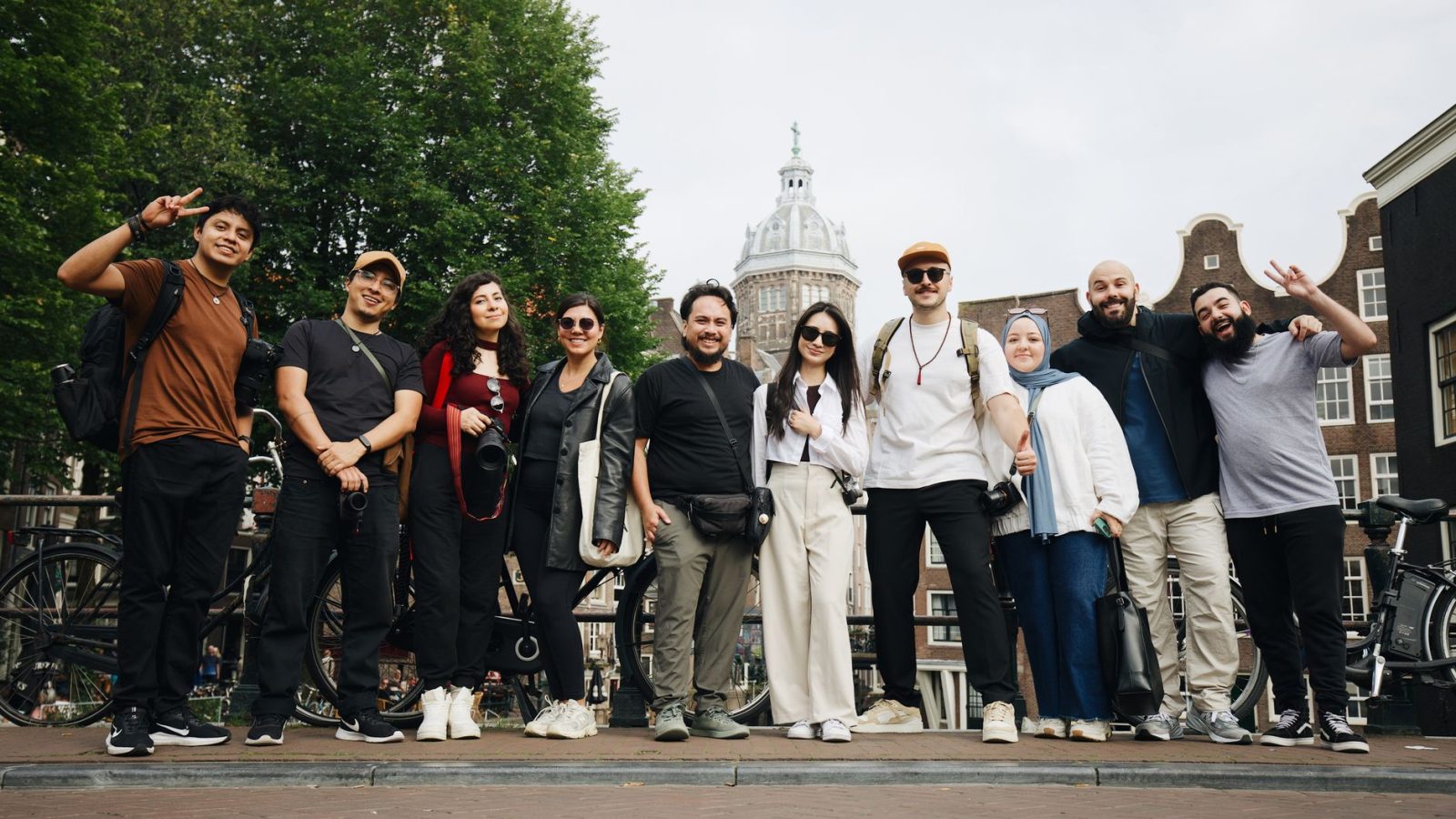
Amsterdam marks the end of slavery while the Tweede Kamer tackles new nitrogen reduction proposals.
Today, the Netherlands finds itself at a crossroads of historical reflection and environmental responsibility. Amsterdam hosts a significant commemoration marking the abolition of slavery, while the Tweede Kamer, the Dutch House of Representatives, debates new proposals aimed at reducing nitrogen emissions-reduction-2-percent-2025/”>emissions. These dual events highlight the country’s commitment to addressing both past injustices and present-day environmental challenges.
Tweede Kamer’s Nitrogen Debate
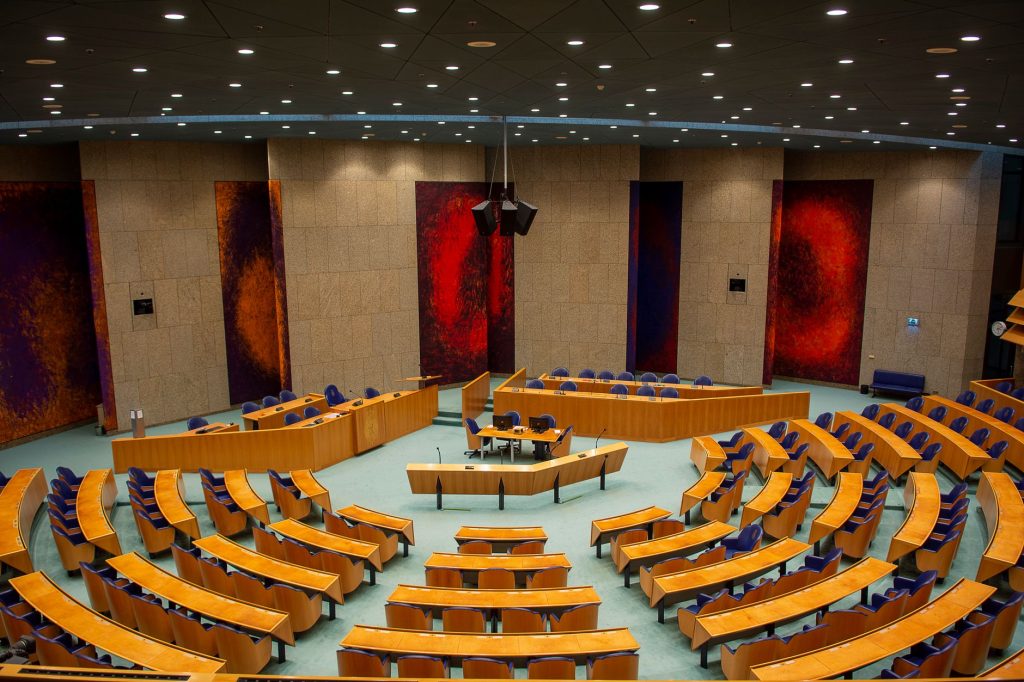
In the Tweede Kamer, discussions are underway concerning new strategies to drastically lower nitrogen emissions. The plans are critical for resolving the nitrogen crisis that has impacted agriculture, construction, and other sectors across the Netherlands. According to government sources, the proposals include measures to significantly cut emissions by targeting specific industries and promoting sustainable practices.
The nitrogen crisis has been a contentious issue, with farmers and environmentalists often at odds over the best path forward.
As the debate unfolds, the focus remains on balancing economic growth with environmental sustainability. The government’s approach seeks to ensure that the Netherlands meets its climate targets while supporting affected industries through the transition.
Commemorating the Abolition of Slavery
Meanwhile, in Amsterdam, events are held to commemorate the 150th anniversary of the abolition of slavery. These ceremonies in Oosterpark pay tribute to the nation’s colonial past and honor the resilience of those who suffered under slavery. The commemoration is a moment for reflection on historical injustices and a call for continued efforts towards equality and justice.
Speakers at the event include historians, community leaders, and descendants of enslaved people. They emphasize the need to remember the past as a way to inform future actions. The ceremonies include cultural performances, public readings, and the laying of wreaths, drawing attention to the ongoing impact of slavery’s legacy in Dutch society.
Amsterdam mayor Femke Halsema highlighted the significance of the event, stating, “This commemoration is not just about remembering the past, but also about acknowledging the work still needed to address its enduring effects.”
Background
The Netherlands has been grappling with the dual challenges of acknowledging its colonial history and addressing modern environmental issues. The nitrogen crisis stems from decades of industrial activity that have led to excessive nitrogen levels, harming biodiversity and hindering construction projects.
In recent years, there has been a growing awareness of the need to confront the country’s colonial past. Efforts include educational programs, public discussions, and formal apologies from institutions. These initiatives aim to foster a more inclusive society that recognizes the contributions and struggles of all its members.
What Happens Next?
The outcomes of the Tweede Kamer’s nitrogen debate could have significant implications for the Netherlands’ environmental policies. If approved, the proposals would set new standards for industries and potentially lead to innovative solutions in emission reduction.
Meanwhile, the commemoration of the abolition of slavery serves as a reminder of the importance of historical awareness. It encourages continued dialogue about the past and its relevance to contemporary issues. As the Netherlands moves forward, these dual focuses on history and the environment highlight the country’s broad approach to solving complex challenges.
For more information on the nitrogen debate, visit the Rijksoverheid’s nitrogen policy page. Details about the slavery commemoration can be found on Amsterdam’s official website.
More from the desk