Friesland couple’s hantavirus deaths trigger international probe
A Friesland couple hantavirus case has triggered an international health investigation after three people died aboard and around the Hondius cruise ship in South America.

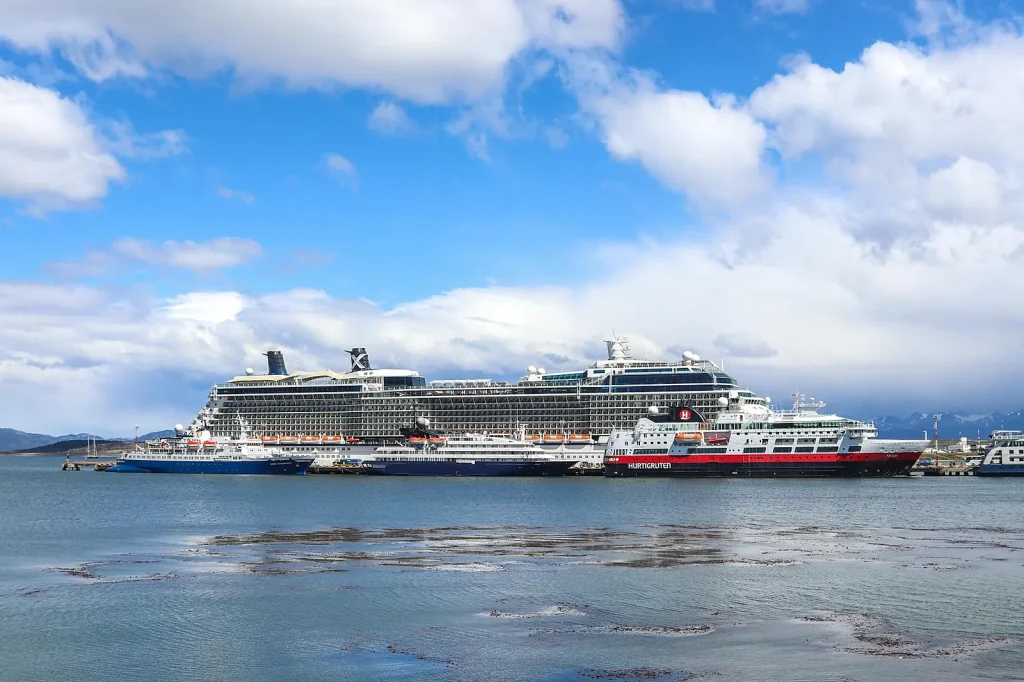
Argentine health authorities launch rodent testing across Southern Argentina after a Dutch couple and one other passenger die from the Andes variant of hantavirus.
The Friesland couple hantavirus tragedy has sent shockwaves through the international travel and public health communities, after two Dutch nationals from the northern province of Friesland died from the disease following a four-month journey across South America. The couple had been travelling through Argentina, Chile, and Uruguay before boarding the expedition cruise vessel Hondius on 1 April, and their deaths, along with a third fatality linked to the same cluster, have now prompted a formal investigation by Argentine health authorities.
Hantavirus is a rare but potentially fatal viral disease transmitted primarily through contact with infected rodents or their droppings. In South America, the Andes variant of hantavirus is of particular concern because, unlike most other strains, it can be spread from person to person, making containment considerably more complex. Symptoms typically begin with fever, fatigue, and muscle aches before progressing to severe respiratory distress, which can prove fatal within days of onset.
Health officials have confirmed that a total of eight individuals are suspected to have contracted the Andes variant during or around the cruise. Of these, three have died, including the Dutch couple, while others are receiving medical care. The precise location and circumstances of the infection remain unclear, leaving investigators with a significant challenge: tracing the exposure point across thousands of kilometres of South American terrain.
Friesland couple hantavirus: Timeline of a tragic journey
The couple from Friesland, whose identities have not been publicly disclosed out of respect for their family, began their South American adventure several months before the fatalities occurred. Their itinerary took them through some of the continent’s most remote and breathtaking landscapes, including Patagonia, a region where hantavirus cases have historically been recorded among both locals and tourists.
On 1 April, the couple boarded the Hondius, an ice-strengthened expedition ship frequently used for voyages to Antarctica and remote coastal regions of South America. It was during or shortly after this leg of the journey that symptoms are believed to have emerged. The ship eventually docked in Cape Verde, the Atlantic island nation off the coast of West Africa, where three additional passengers were evacuated as a precautionary measure when health concerns escalated on board.
The evacuation in Cape Verde drew the attention of multiple national health agencies and underscored the logistical difficulty of managing infectious disease outbreaks at sea. Cruise ships, by their nature, bring together passengers from dozens of countries in a confined space, a dynamic that complicates both diagnosis and containment when an unusual pathogen is involved.
Argentine health officials have since launched an investigation that includes testing rodents in southern Argentina for the presence of hantavirus. Rodents such as the long-tailed pygmy rice rat are known reservoirs of the Andes strain in Patagonia. Authorities are attempting to map potential exposure sites along the couple’s route to determine whether the infection occurred in the wild, in accommodation, or through secondary human-to-human transmission aboard the vessel.
What this means for international travellers and public health
The Friesland couple hantavirus case is a sobering reminder that infectious diseases do not respect borders or itineraries. While hantavirus remains relatively rare among travellers, its potential severity demands that anyone visiting rural or wilderness areas in South America, particularly Patagonia, takes appropriate precautions. These include avoiding contact with wild rodents, not camping near rodent burrows, and ensuring that accommodation is rodent-proof.
Dutch public health authorities, including the National Institute for Public Health and the Environment (RIVM), are closely monitoring the situation. Travellers returning from affected regions who develop symptoms such as high fever, severe muscle pain, or breathing difficulties are advised to seek medical attention immediately and inform their doctor of their recent travel history. Early intervention is critical, as hantavirus pulmonary syndrome can deteriorate rapidly.
For more information on hantavirus risks and travel health advisories, travellers can consult resources from the Dutch central government, which publishes updated travel health guidance for Dutch nationals abroad. The broader background on hantavirus is also documented in detail by international health encyclopaedias and research bodies.
Experts emphasise that while the Andes variant’s capacity for person-to-person transmission makes this cluster especially noteworthy, the overall risk to the general travelling public remains low. However, the case does highlight the importance of pre-travel health consultations, particularly for those planning expeditions to remote or wilderness destinations.
The incident has also reignited debate about health screening protocols on international cruise ships. Unlike commercial airlines, cruise vessels often operate across multiple jurisdictions within a single voyage, making it difficult to apply a single, unified framework for disease surveillance and response. Industry observers and public health professionals are calling for clearer international guidelines on how cruise operators should respond when passengers present with symptoms of rare infectious diseases.
What happens next
Argentine authorities are expected to publish preliminary findings from their rodent-testing programme in the coming weeks. Health officials in the Netherlands have been in contact with their Argentine and Cape Verdean counterparts to share information and coordinate the medical follow-up for any Dutch nationals who may have been exposed.
The families of the deceased couple have been offered consular support, and Dutch diplomatic channels remain active in gathering information about the ongoing investigation. As the probe continues, the findings may lead to updated travel advisories for Patagonia and other rural parts of South America where hantavirus is endemic.
The Friesland couple hantavirus case serves as a powerful call to action for travellers, healthcare providers, and policymakers alike: infectious disease preparedness must be a central part of planning any international journey, especially those venturing into remote natural environments where exposure to wildlife, and the pathogens they carry, is an ever-present possibility.