Tilburg dumping case leads police to suspect from Drunen
Tilburg bathroom waste dumping has shocked locals after an entire bathroom was found discarded in the Moerenburg nature reserve, with police tracking down a suspect from Drunen.

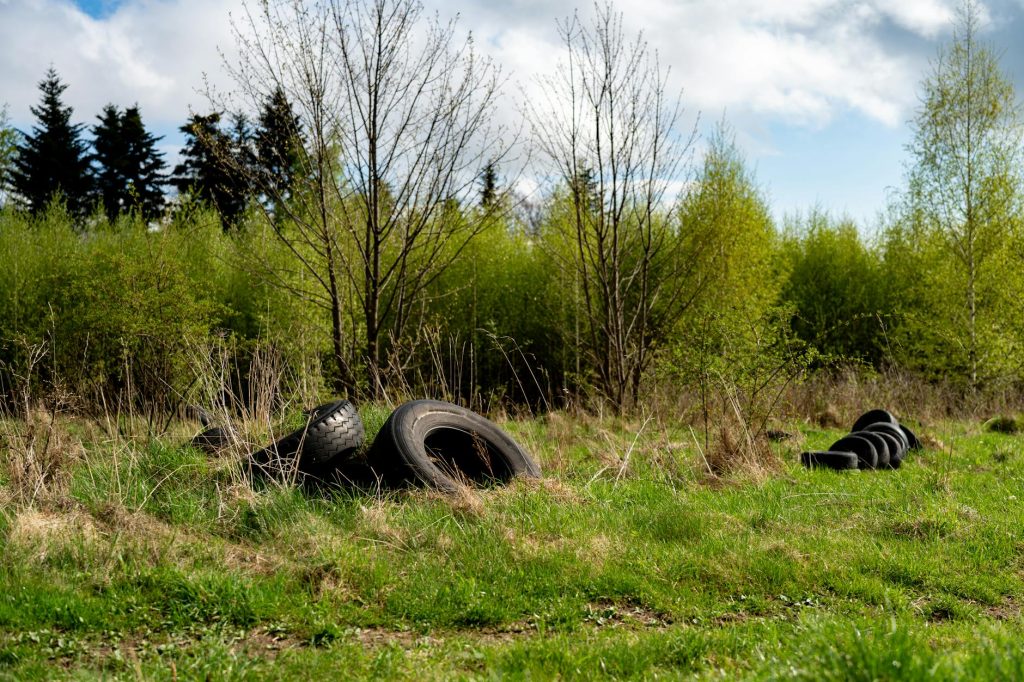
A 40-year-old man from Drunen has been identified after an entire bathroom was illegally discarded in a protected nature reserve near Tilburg.
Tilburg bathroom waste has become the centre of a striking environmental incident after police discovered an entire bathroom, tiles, fixtures, and plumbing included, illegally dumped in the Moerenburg nature reserve on the outskirts of Tilburg. Authorities have since tracked down a 40-year-old suspect from the nearby town of Drunen, who allegedly carried out the disposal under the guise of running a waste removal business.
The pile of debris was hard to miss. Broken ceramic tiles, old bathroom fittings, and lengths of disused piping were dumped in a wooded section of the reserve and were clearly visible to drivers passing along the A65 highway, which runs close to the protected area. Local residents and motorists reported the eyesore before authorities launched an investigation.
Moerenburg is a protected green area located on the southern edge of Tilburg, in the Dutch province of North Brabant. The reserve is known for its wetlands and biodiversity, making the presence of construction and renovation waste particularly damaging to the local ecosystem. Chemicals from old grouting materials, pipe sealants, and fixture coatings can leach into soil and groundwater, posing long-term risks to wildlife and vegetation.
Tilburg Bathroom Waste Traced to Drunen Suspect
Police investigators worked quickly to identify the origin of the abandoned materials. Using information gathered at the scene, including fragments that could be traced back to a specific removal job, they identified a 40-year-old man from Drunen, a small municipality in the neighbouring Land van Heusden en Altena region of North Brabant. The suspect was brought in for questioning and has not denied involvement.
According to police, the man claimed to operate a service offering to collect and dispose of waste on behalf of homeowners and contractors. In this case, he allegedly accepted payment to remove the bathroom materials from a renovation site but, rather than transporting the debris to an authorised processing facility, chose to dump it illegally in the nature reserve. This practice, known colloquially as “afvaldumping” in Dutch, is unfortunately common among unregistered or unscrupulous waste haulers.
The suspect now faces legal consequences. Under Dutch environmental law, illegal dumping in a nature area can result in significant fines and, in serious cases, criminal prosecution. The municipality of Tilburg will also likely pursue the recovery of clean-up costs, which can be billed directly to the individual found responsible. Dutch national guidelines on illegal waste disposal make clear that municipalities are entitled to reclaim the full cost of remediation from offenders.
Environmental enforcement officers have begun the process of clearing the site. The removal of mixed renovation waste from a sensitive natural area requires careful handling. Tiles and fixtures must be separated, plumbing components assessed for hazardous materials, and soil checked for contamination. Such operations are time-consuming and costly, often running into thousands of euros, expenses that ultimately fall on local taxpayers when offenders cannot be identified.
A Pattern of Illegal Dumping Across Dutch Nature Areas
This incident, while striking in its scale, is far from isolated. Illegal waste dumping across the Netherlands has been a persistent and growing problem, particularly in rural and semi-rural areas where surveillance is limited. Green spaces, forest edges, and nature reserves near urban centres are disproportionately targeted, as they offer relative seclusion and easy access from major roads, exactly the conditions present at Moerenburg.
According to data tracked by municipal authorities and environmental agencies, hundreds of illegal dump sites are reported across the Netherlands each year. The materials found vary widely, from household rubbish and garden waste to construction debris and, in some cases, chemical or industrial waste. The Tilburg bathroom waste case sits at the more visible end of the spectrum, but environmental experts warn that less obvious dumping, such as bags of rubble buried under leaf litter, is far more common and harder to detect.
Advocacy groups working on environmental protection have long called for tougher penalties and better enforcement mechanisms. Proposals discussed at national and local levels include mandatory registration for waste removal businesses, digital tracking of waste transport vehicles, and higher fines that better reflect the environmental damage caused. Statistics Netherlands (CBS) data indicates that waste production in the country continues to rise, placing additional pressure on legal disposal infrastructure and increasing the incentive for rogue operators to cut corners.
The municipality of Tilburg has previously invested in camera surveillance near known dumping hotspots, and local enforcement teams conduct regular patrols of vulnerable green areas. Despite these efforts, the remote stretches of reserves like Moerenburg remain difficult to monitor around the clock.
What happens next will depend on the outcome of the police investigation and any subsequent legal proceedings against the Drunen suspect. If prosecuted, the case could serve as a deterrent to others operating informal waste removal services in the region. Environmental groups are expected to use the incident to renew pressure on local and national authorities to introduce mandatory waste transfer documentation for all commercial removals, a measure that exists in other European countries but has yet to be uniformly enforced in the Netherlands.
For now, clean-up crews are working to restore the Moerenburg site to its natural state. Residents and local conservation volunteers have expressed frustration that a protected space, one valued for its quiet trails and wildlife, was treated as a convenient rubbish tip. The case has reignited a familiar debate: without stronger oversight and meaningful consequences, illegal dumping will continue to burden the very natural spaces the Netherlands works hard to preserve.