Moerenburg dumping suspect traced after bathroom waste found
Moerenburg nature dumping shocked Tilburg residents after a complete bathroom was found abandoned in the protected area, with a suspect traced to nearby Drunen.

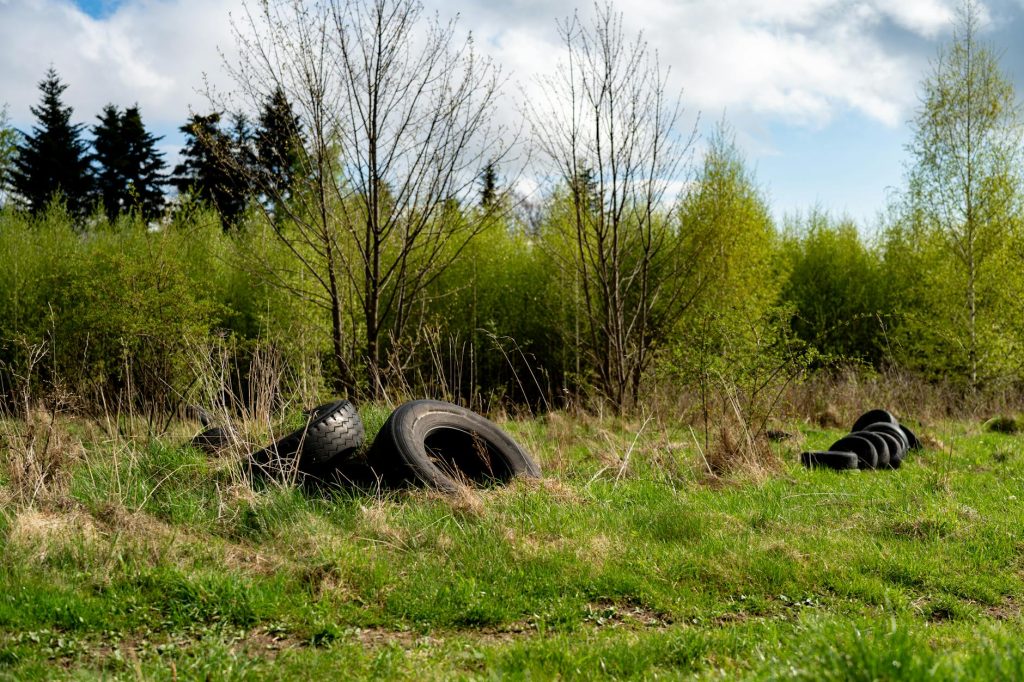
A fully dismantled bathroom discovered in Tilburg’s Moerenburg nature area has prompted environmental police action and renewed calls for tougher waste enforcement.
Moerenburg nature dumping has become the latest flashpoint in the Netherlands’ ongoing battle against illegal waste disposal, after a fully dismantled bathroom was discovered abandoned in the protected Moerenburg nature area on the outskirts of Tilburg, a city of around 220,000 people in the province of North Brabant.
The find, which included a toilet, sink, bathtub fittings, and associated piping, was reported to local authorities after a member of the public stumbled upon the waste during a routine walk through the area. The scale of the dump immediately raised alarm among environmental officers, who noted that a complete bathroom does not end up in a nature reserve by accident.
Environmental police launched an investigation and were able to trace the alleged perpetrator to the town of Drunen, located roughly 20 kilometres north of Tilburg. Authorities have confirmed that the suspect has been identified and that penalties are expected to follow. The investigation relied on tracing identifying markings found among the discarded materials, a technique increasingly used by Dutch environmental enforcement teams.
Moerenburg Nature Dumping Threatens Local Ecosystem
The Moerenburg area is a valued green corridor for Tilburg, offering wetland habitats, walking trails, and open green space that residents and wildlife depend upon. The illegal disposal of construction and sanitary waste in such areas carries serious environmental risks. Ceramic and porcelain materials can leach chemical compounds into the soil, while pipes and sealants may contain substances harmful to groundwater and local flora.
Officials from the municipality stressed that illegal dumping in natural areas not only damages ecosystems but also places a financial burden on the community. The cost of clearing illegally dumped waste, including hazardous materials, is typically borne by local taxpayers, diverting funds from conservation and public services.
According to data published by Statistics Netherlands (CBS), millions of kilograms of waste are illegally discarded across the country each year, with a significant portion ending up in or near natural and recreational areas. Despite ongoing awareness campaigns, the problem has persisted in municipalities large and small.
The Tilburg incident is far from isolated. Nature managers across the Netherlands regularly report finding household appliances, construction debris, garden waste, and even chemical containers in parks and wooded areas. The financial and ecological toll is considerable, and enforcement agencies have repeatedly called for stronger deterrents.
In the Netherlands, illegal waste dumping is governed under the Wet milieubeheer (Environmental Management Act), which provides for fines and, in serious cases, criminal prosecution. Penalties can range from modest administrative fines to substantial criminal charges depending on the nature and quantity of waste, and whether protected habitats were involved. More information on environmental protection legislation can be found via the Dutch national government’s waste policy pages.
Local Authorities Push for Better Waste Solutions and Awareness
In response to the Moerenburg nature dumping case and the broader pattern it represents, local authorities in Tilburg are working on a multi-pronged approach to reduce illegal disposal incidents. This includes expanding access to municipal waste collection facilities, ensuring residents can drop off large items and renovation waste without excessive cost or bureaucratic hurdles.
Community awareness is also a central pillar of the response. Officials believe that some illegal dumping occurs not out of malicious intent but because residents are unaware of free or low-cost disposal options. Educational campaigns targeting renovation waste, exactly the category involved in this case, are being considered as part of the municipality’s updated waste strategy.
Environmental volunteers and neighbourhood watches in Tilburg have also stepped up patrols in green corridors, documenting and reporting suspicious activity. Some groups have installed trail cameras in known dumping hotspots, a development that has already led to several successful identifications in other parts of the Netherlands.
The environmental police unit involved in the Moerenburg investigation forms part of a broader network of boa’s (buitengewoon opsporingsambtenaren, or special enforcement officers) who work alongside regular police to enforce environmental and public order regulations. These officers have seen their caseloads grow in recent years as illegal dumping incidents have become more frequent and more complex.
Enforcement officers have emphasised that anyone with information about illegal dumping in Tilburg or surrounding areas should report it to local authorities or through the national environmental tip line. Anonymous reporting is accepted, and tip-offs have proven instrumental in closing cases like the one in Moerenburg.
As the case against the Drunen suspect moves forward, residents and conservationists are watching closely. Many hope the outcome will send a clear message: the Netherlands’ natural areas are protected, and those who treat them as dumping grounds will be held accountable. For Moerenburg, cleanup efforts are already underway, with municipal workers tasked with safely removing all bathroom materials and restoring the affected patch of ground.
The incident has renewed a broader conversation about the value communities place on accessible green space, and what it takes to protect it, not just through legislation, but through shared civic responsibility.