Overijssel Water Restrictions Threaten Farming Amid Drought
Water restrictions in Overijssel highlight growing climate challenges in the Netherlands, impacting agriculture and ecosystems.

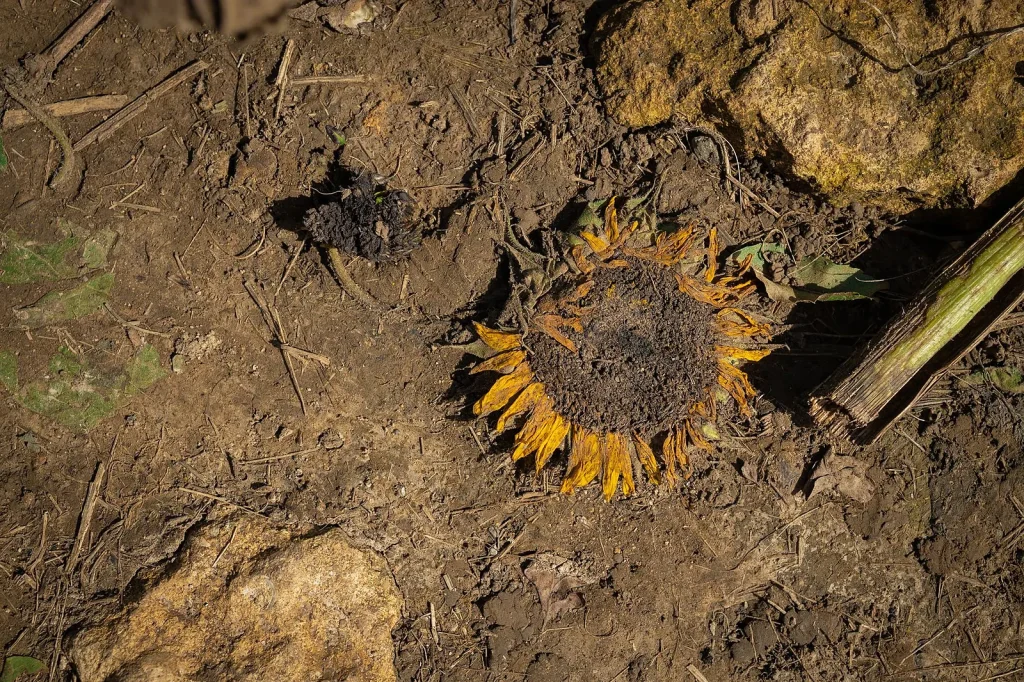
Farmers in Overijssel face challenges as water restrictions aim to prevent ecological damage during drought.
Overijssel, a province in the eastern Netherlands, is facing stringent water restrictions due to ongoing drought conditions. The Waterschap Drents-Overijsselse Delta, responsible for regional water management, has urged farmers and other water users to halt drawing water from local ditches, canals, and streams. This measure aims to protect the diminishing water supply and prevent ecological damage.
The restrictions come as the region experiences a prolonged period of insufficient rainfall, which has led to alarmingly low water levels. Similar measures were previously implemented in Limburg, where an outright ban on water drawing was enforced. Authorities stress the importance of adhering to these guidelines to safeguard the environment during this challenging period.
Impact on Agriculture
The restrictions pose significant challenges for farmers in Overijssel, who rely heavily on water for irrigation. The drought has already affected crop yields, and the new measures could exacerbate these issues. Farmers are being asked to find alternative methods to sustain their crops, which may involve increased costs and logistical challenges.
Jan de Vries, a farmer in Overijssel, expressed his concerns: “The restrictions make it difficult for us to maintain our crops. We understand the need to protect our water resources, but it is a tough situation for agriculture.”
With the agricultural sector being a crucial part of the regional economy, the impact of these restrictions could have broader economic implications. Farmers may need support to adapt to these changes and ensure the sustainability of their operations.
Environmental Concerns
The drought and subsequent water restrictions highlight the growing challenges of water management in the Netherlands. As climate change continues to affect weather patterns, the country faces increasing pressure to balance water use between agricultural needs and ecological preservation.
The Waterschap Drents-Overijsselse Delta’s measures aim to prevent long-term ecological damage that could result from depleted water sources. The agency emphasizes the importance of maintaining water levels to support biodiversity and ecosystem health.
According to a spokesperson from the agency, “The current drought conditions threaten not only agriculture but also the natural habitats in our region. We must take action to ensure that our water resources are used sustainably.”
As water levels remain low, authorities are monitoring the situation closely. They are prepared to implement further measures if necessary to protect the environment and ensure water availability for essential uses.
Background
The Netherlands has a long history of managing water resources, with a complex system of dikes, canals, and pumps. However, climate change is presenting new challenges, with more frequent and severe droughts becoming a reality. This situation requires innovative solutions and cooperation between various stakeholders to address water scarcity effectively.
In recent years, the Dutch government has invested in water management strategies and technologies to mitigate the effects of climate change. These efforts include enhancing water storage capacity and improving irrigation efficiency. However, the current drought shows the need for continued adaptation and resilience-building measures.
What Happens Next
Moving forward, the authorities in Overijssel will continue to evaluate the water situation and make necessary adjustments to the restrictions. Farmers and other stakeholders are encouraged to collaborate with water management agencies to find sustainable solutions.
The situation in Overijssel serves as a reminder of the broader climate challenges facing the Netherlands. As the country grapples with the impacts of climate change, effective water management will remain a critical priority. The government and regional agencies must work together to develop long-term strategies that address both immediate needs and future threats.
For more information on water management in the Netherlands, visit the rijksoverheid website or the Waterschappen website.